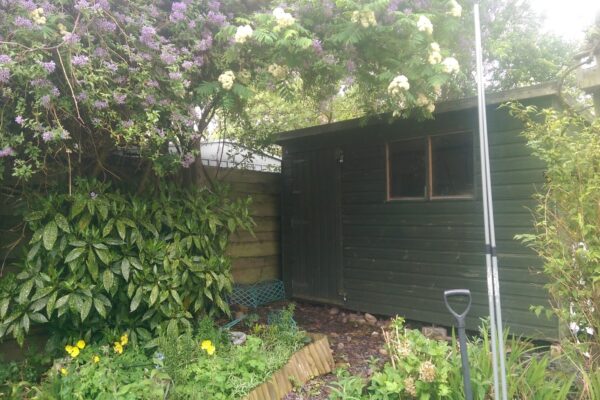
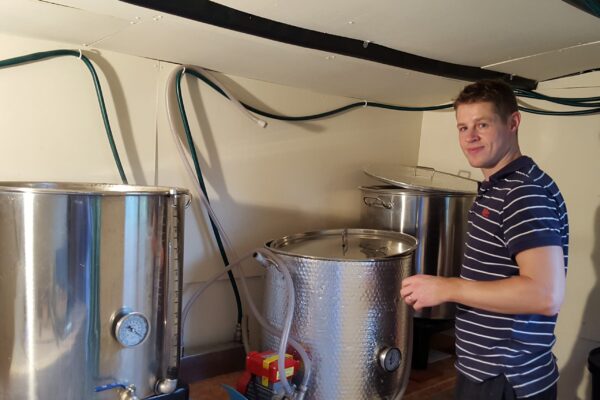
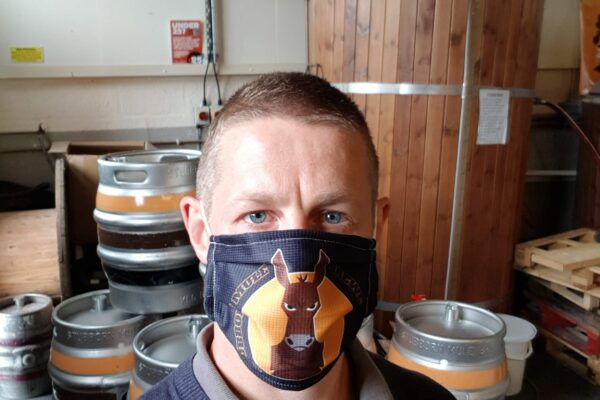
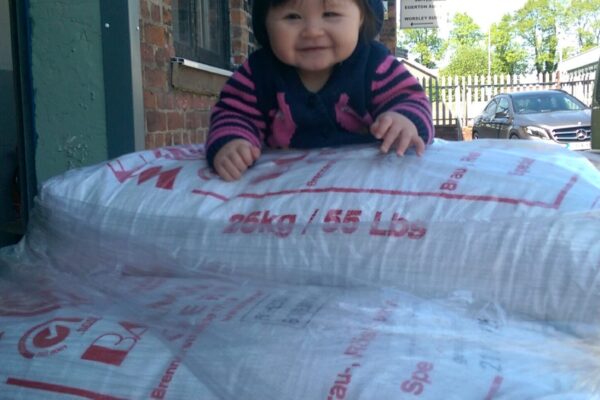
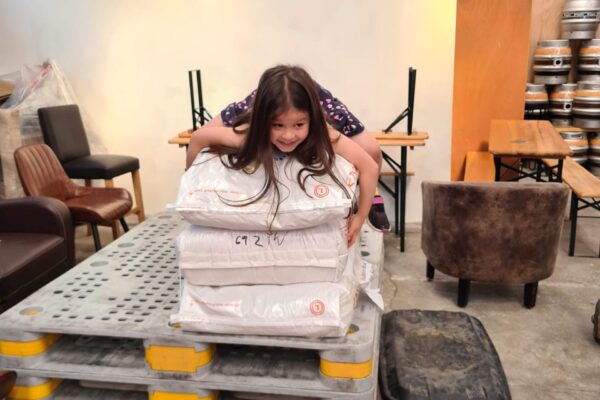
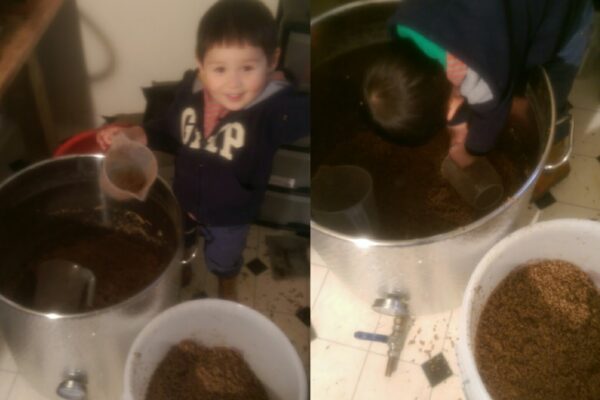
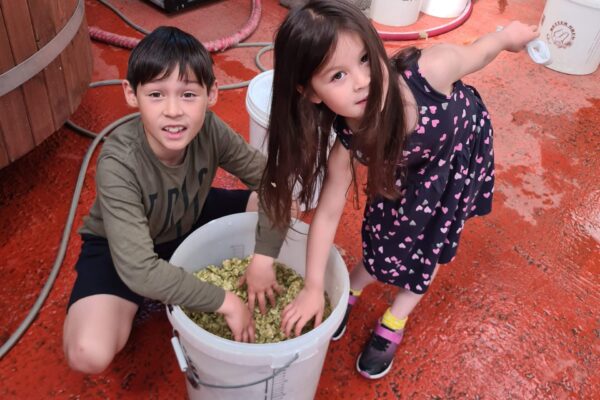
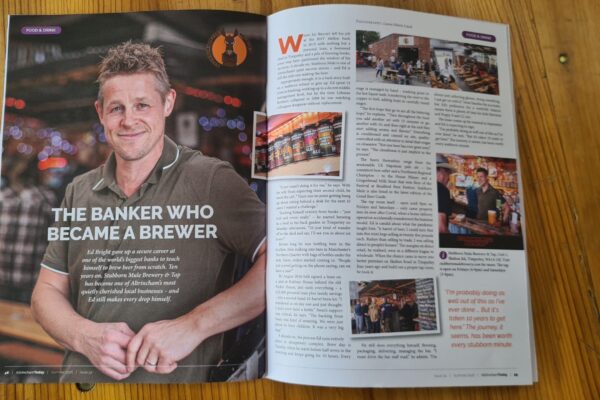
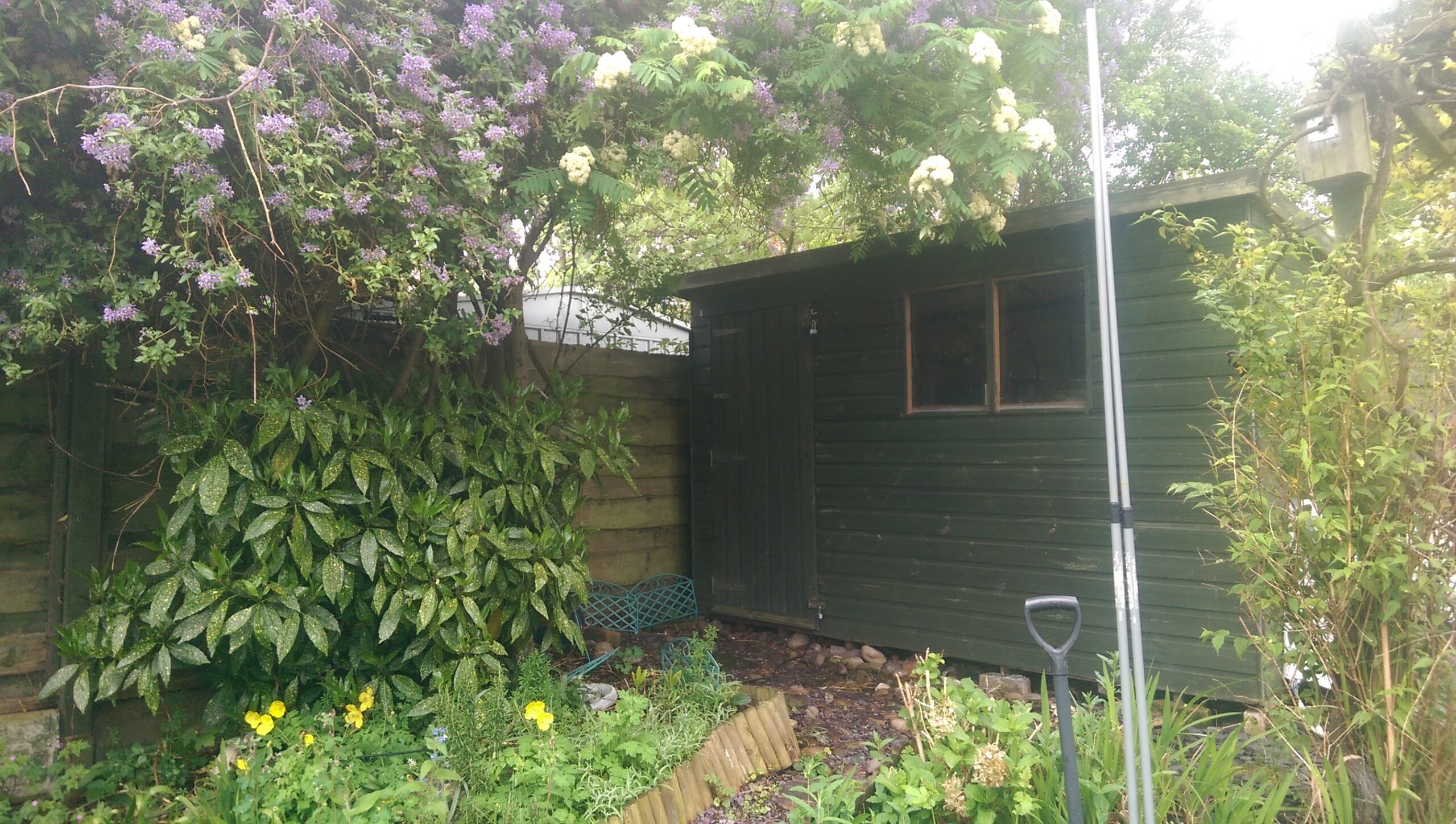
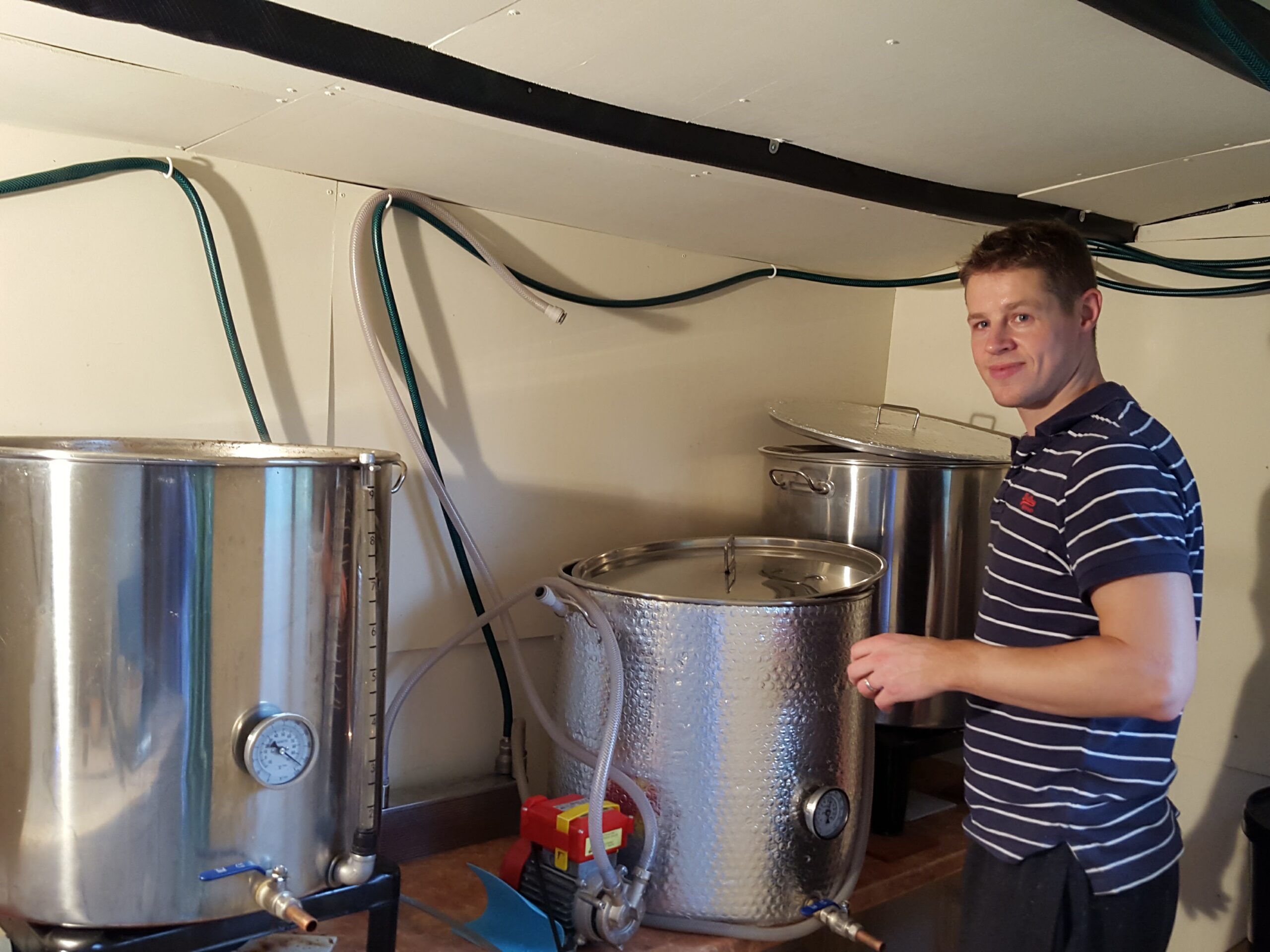
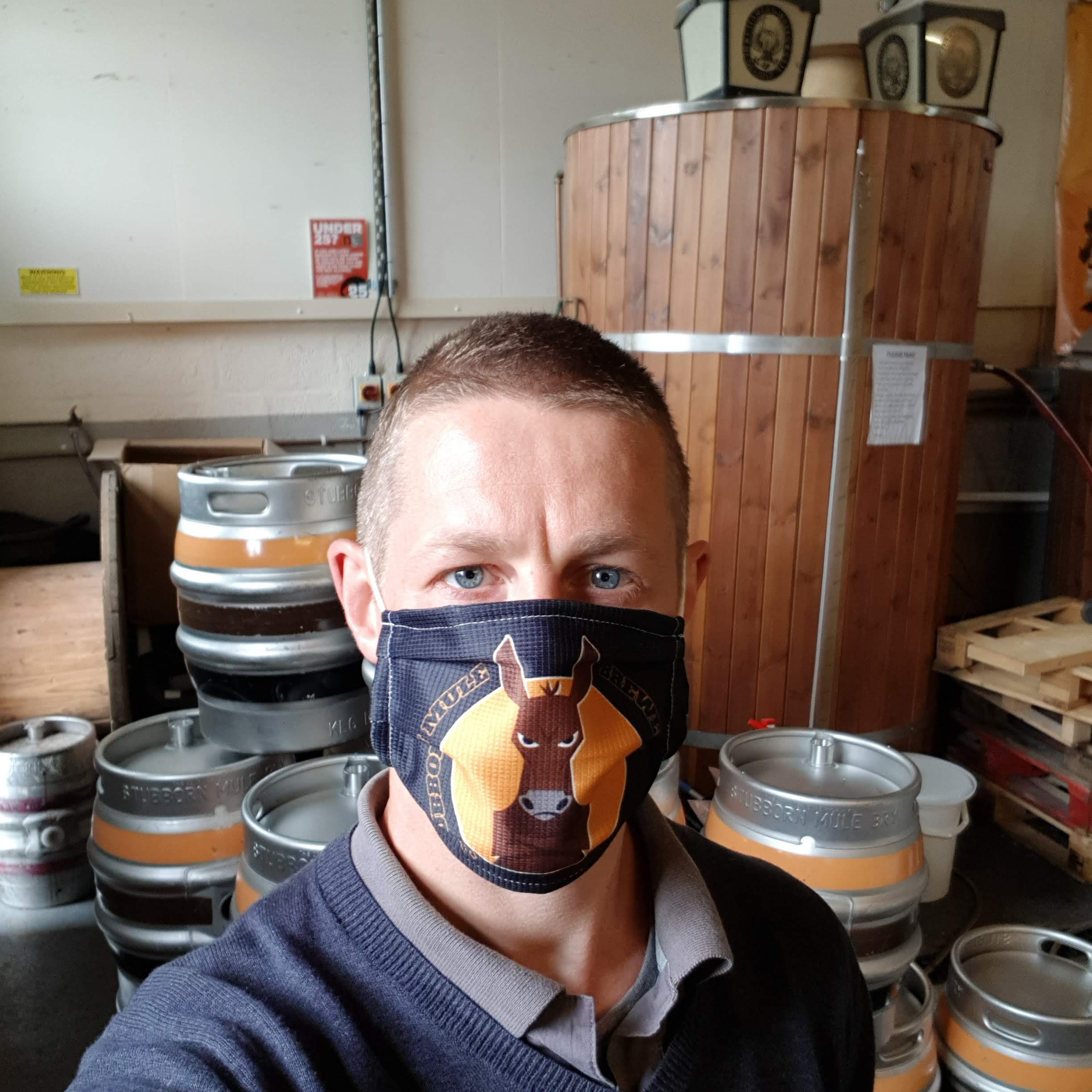
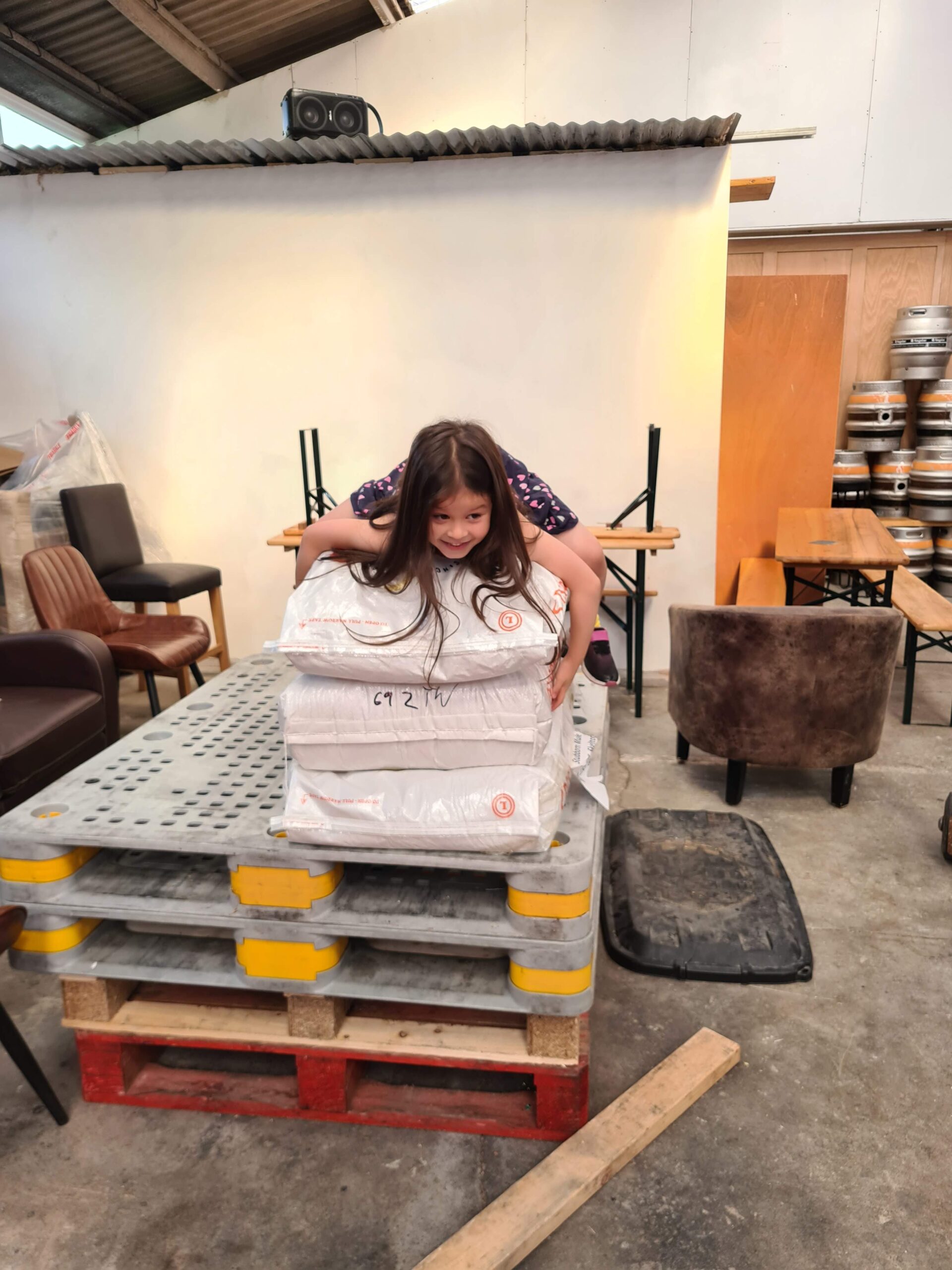
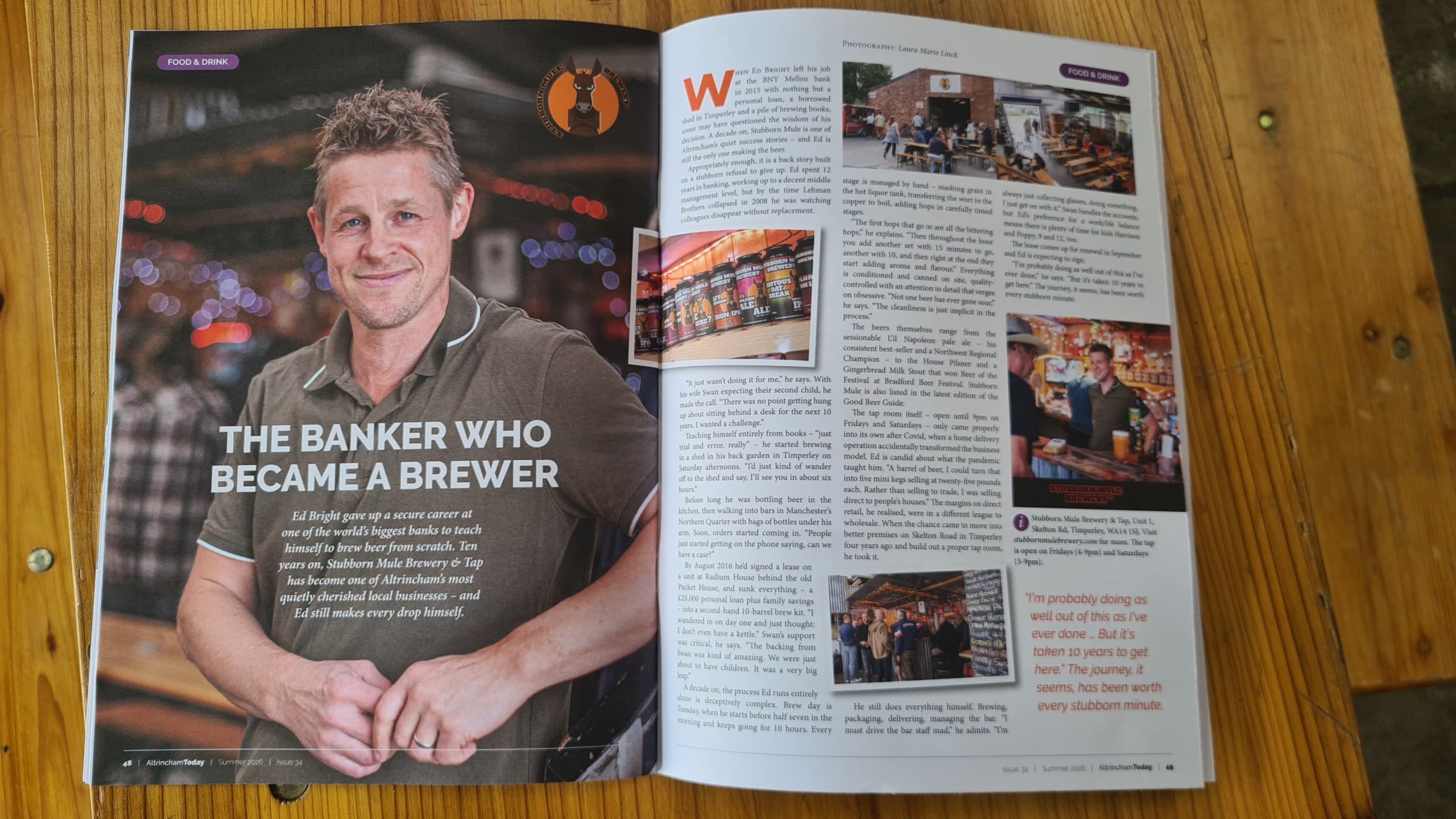
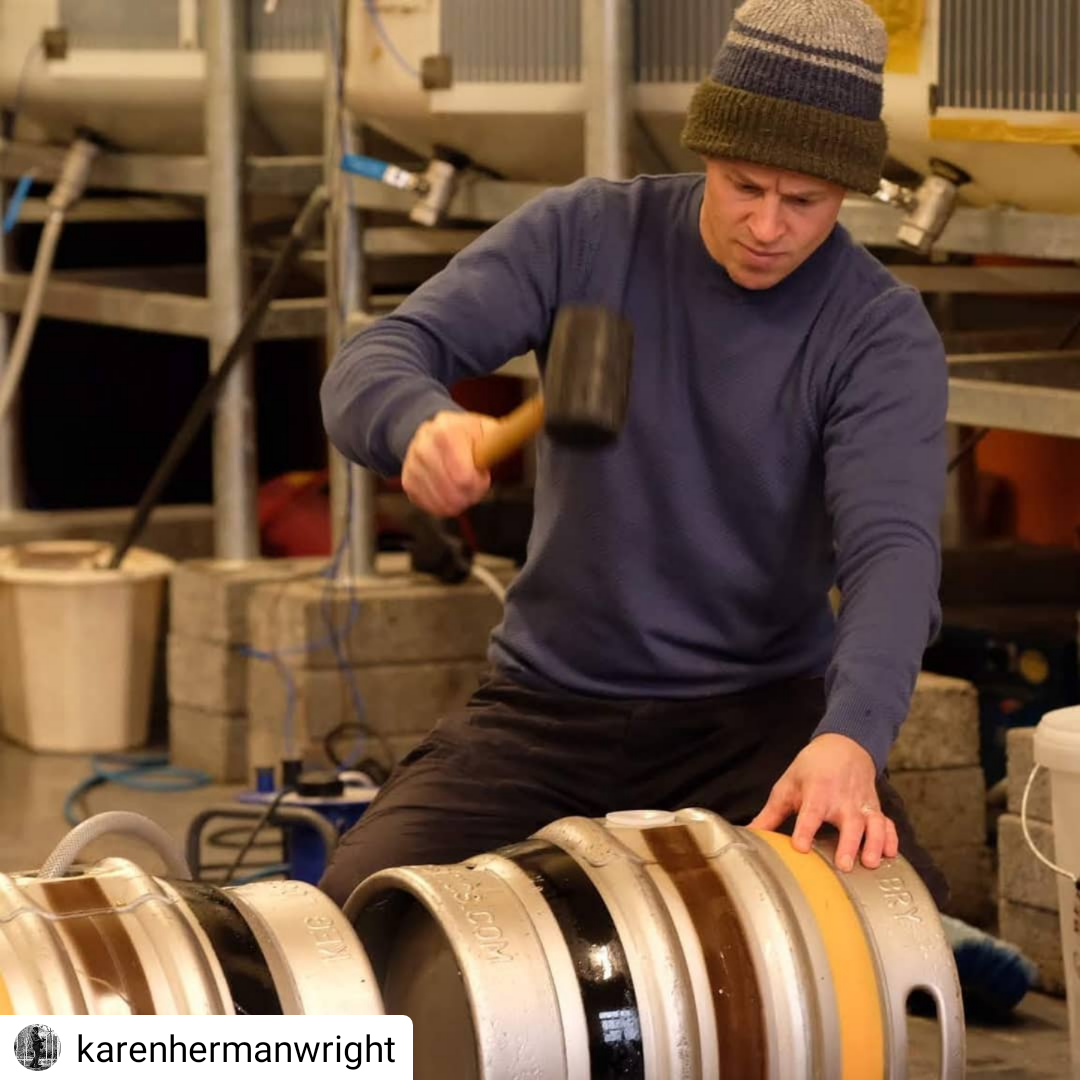
Stubborn Mule started life in a garden shed in Timperley. I’d been brewing regularly since around 2012, gradually developing my own recipes and learning as I went. Having spent 11 years working at the Bank of New York in Manchester, I eventually decided to take the plunge and see if I could turn the hobby into something more.
I was 37, had a second child on the way and was about to swap the security of a regular job for life as a one-man brewery. Husband, dad, head brewer, designer, plumber, cleaner, salesman, delivery driver… I was going to have to wear quite a few hats!
“Turn the hobby into something more.”
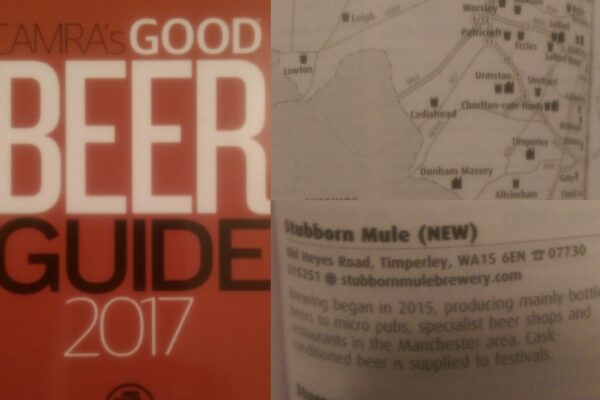
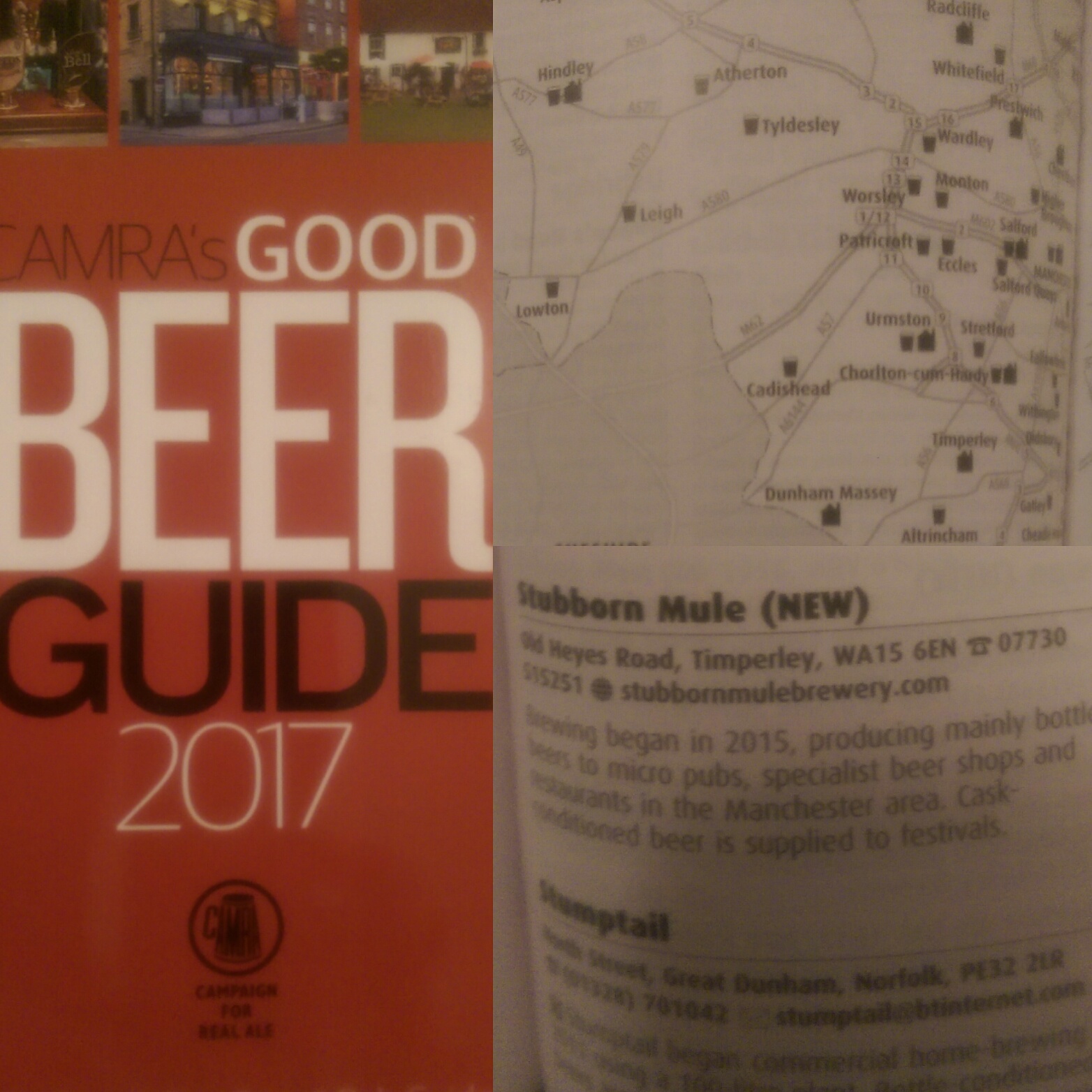
I’d spent plenty of time researching the small neighbourhood breweries popping up in the US and wanted to create something along similar lines. I started with three beers based on some of my favourite brews, got the necessary HMRC approval in August 2015 and made our first commercial bottle sales in October that year.
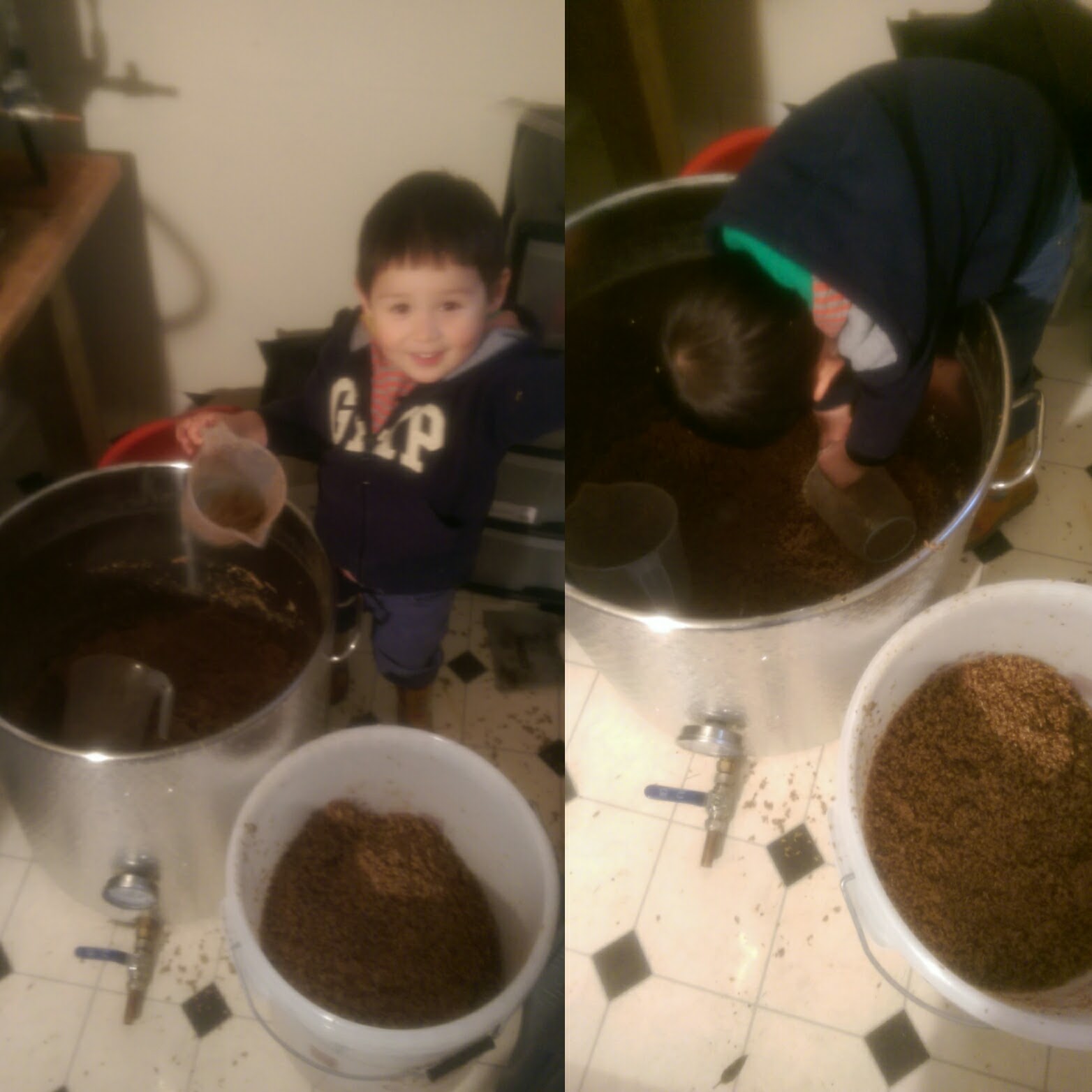
Dusk Til Pawn in Manchester’s Northern Quarter became our first customer. Sales were initially a little sporadic, not least because I was still holding down the day job. Brewing and bottling were very much squeezed around family life, with the kitchen occasionally doubling up as a bottling line!
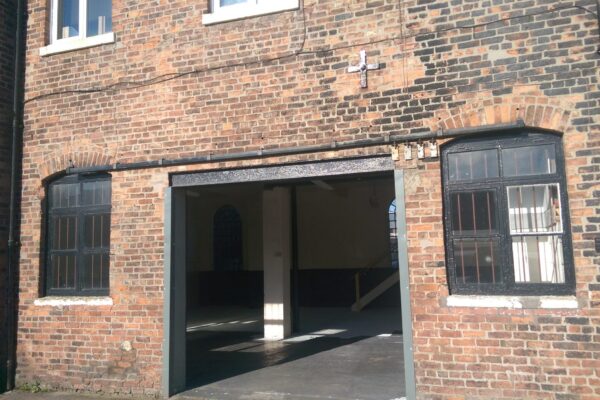
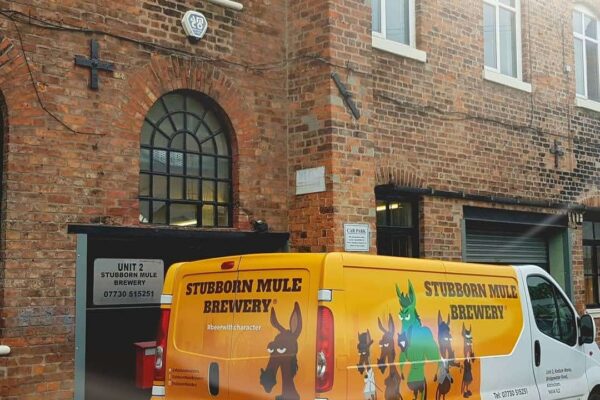
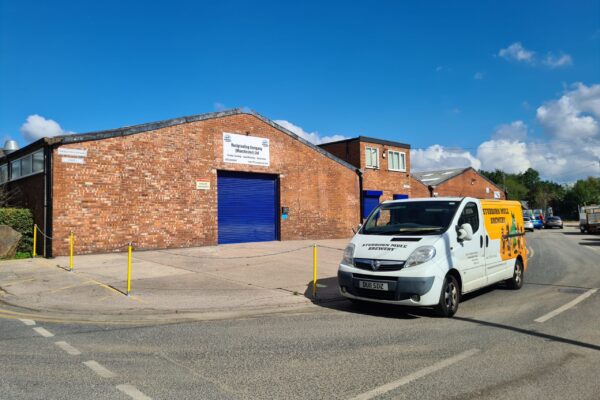
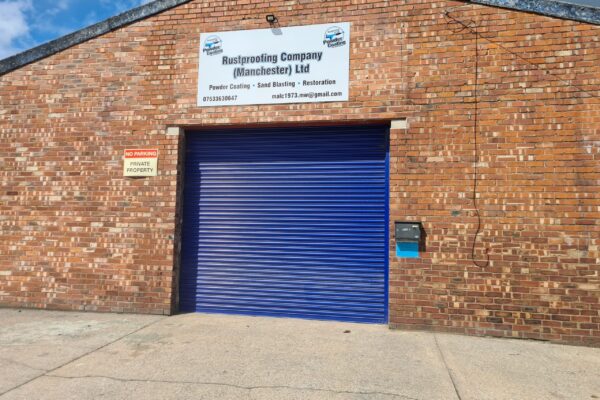
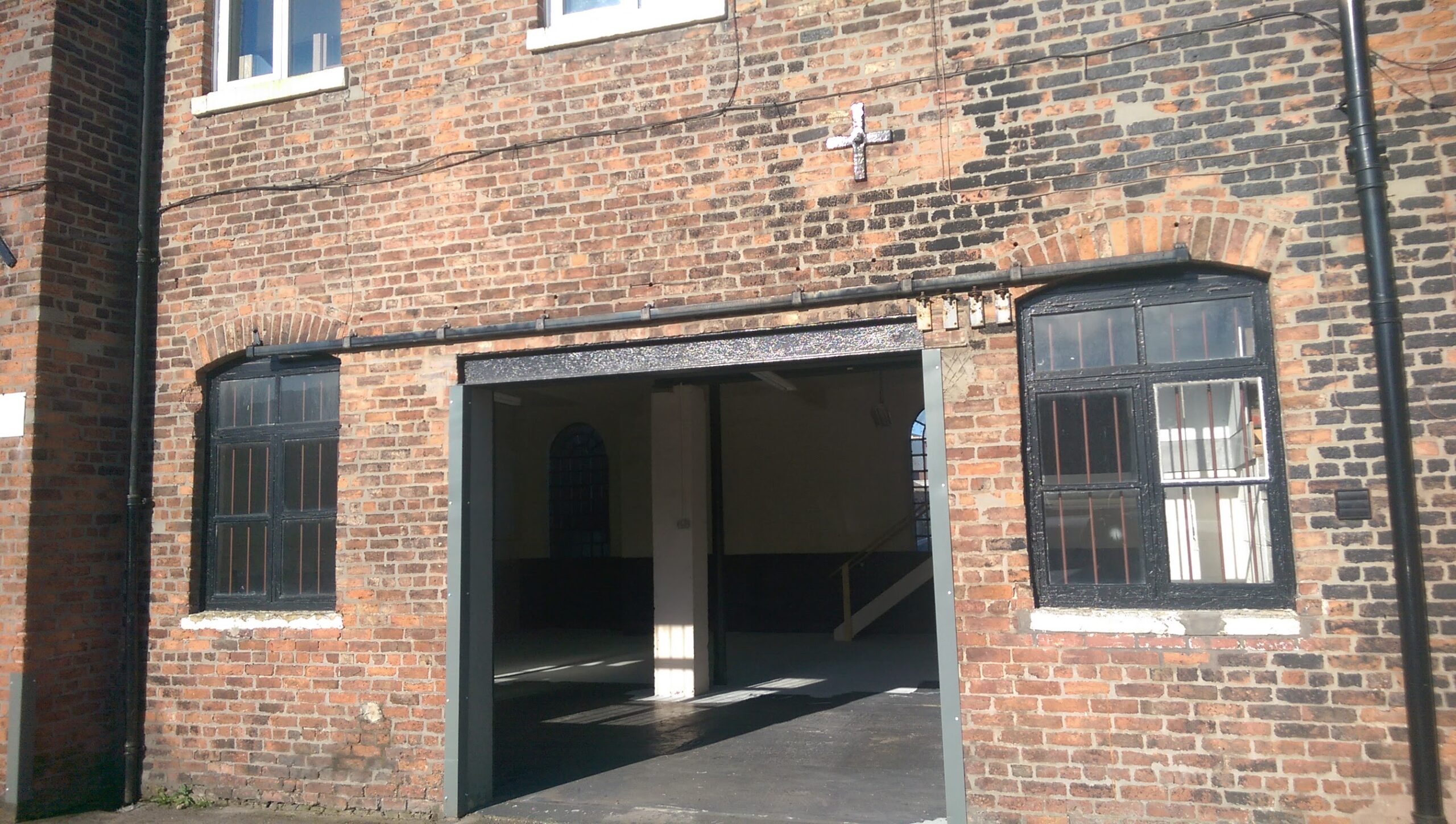
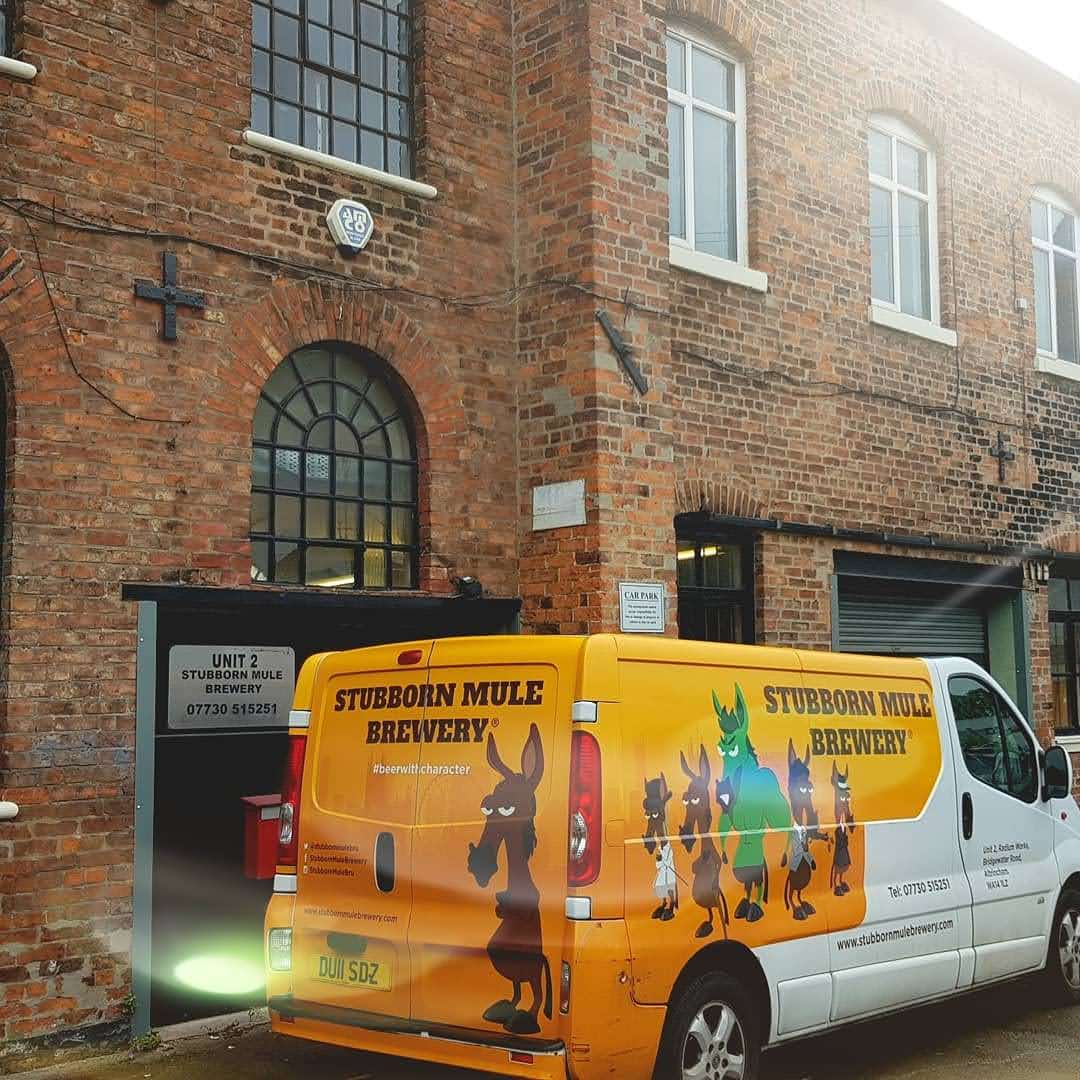
Even after finding our first premises in early 2016, I was still brewing in the shed into the summer. I’d looked at a unit in Sale, but it needed more work and investment than I could manage at the time. Then I found Radium Works. It just felt right.
I signed the lease in April 2016. There was plenty to learn, but the Manchester brewing community was incredibly helpful. Seven Brothers let me have a look around their mash tun, and Steve at Beer Nouveau was generous with advice. There was a real willingness among local brewers to help each other out.
“The company went into liquidation.”
Getting the equipment together wasn’t entirely straightforward. After paying a supplier for some key brewing kit, the company went into liquidation, leaving me with a rather large hole to fill. It was a difficult start, and the financial consequences would take a few years to work through.
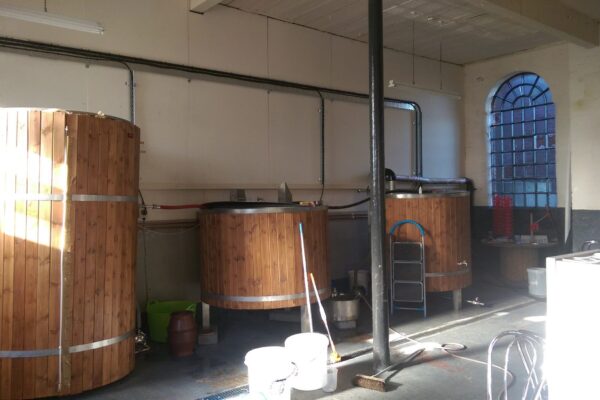
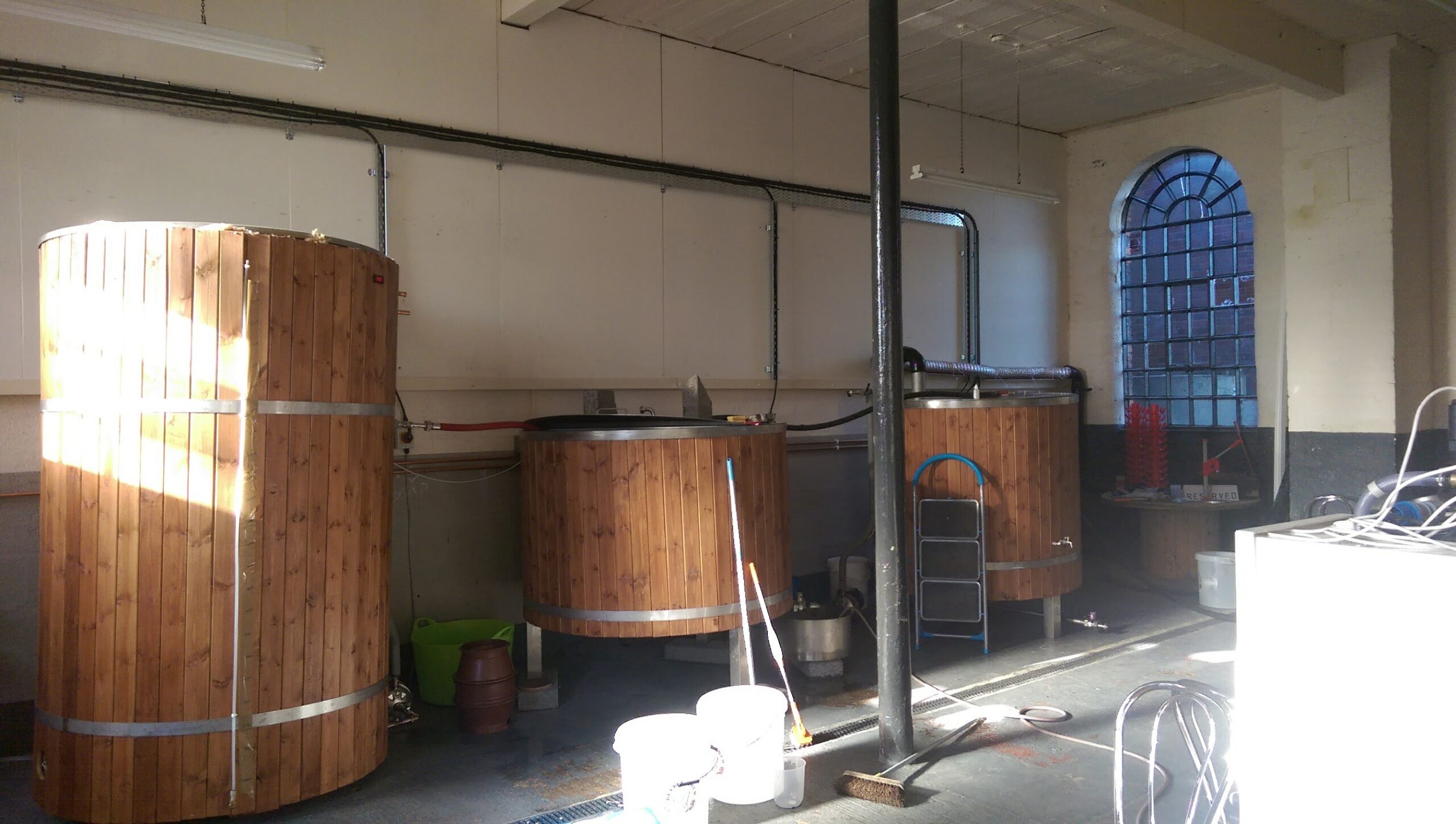
But on 6 December 2016, we finally moved from the 100-litre kit in the shed to a 10-barrel brewery at Radium Works. Stubborn Mule Brewery was up and running.
MICROBREWERY YEARS: 2017-2019
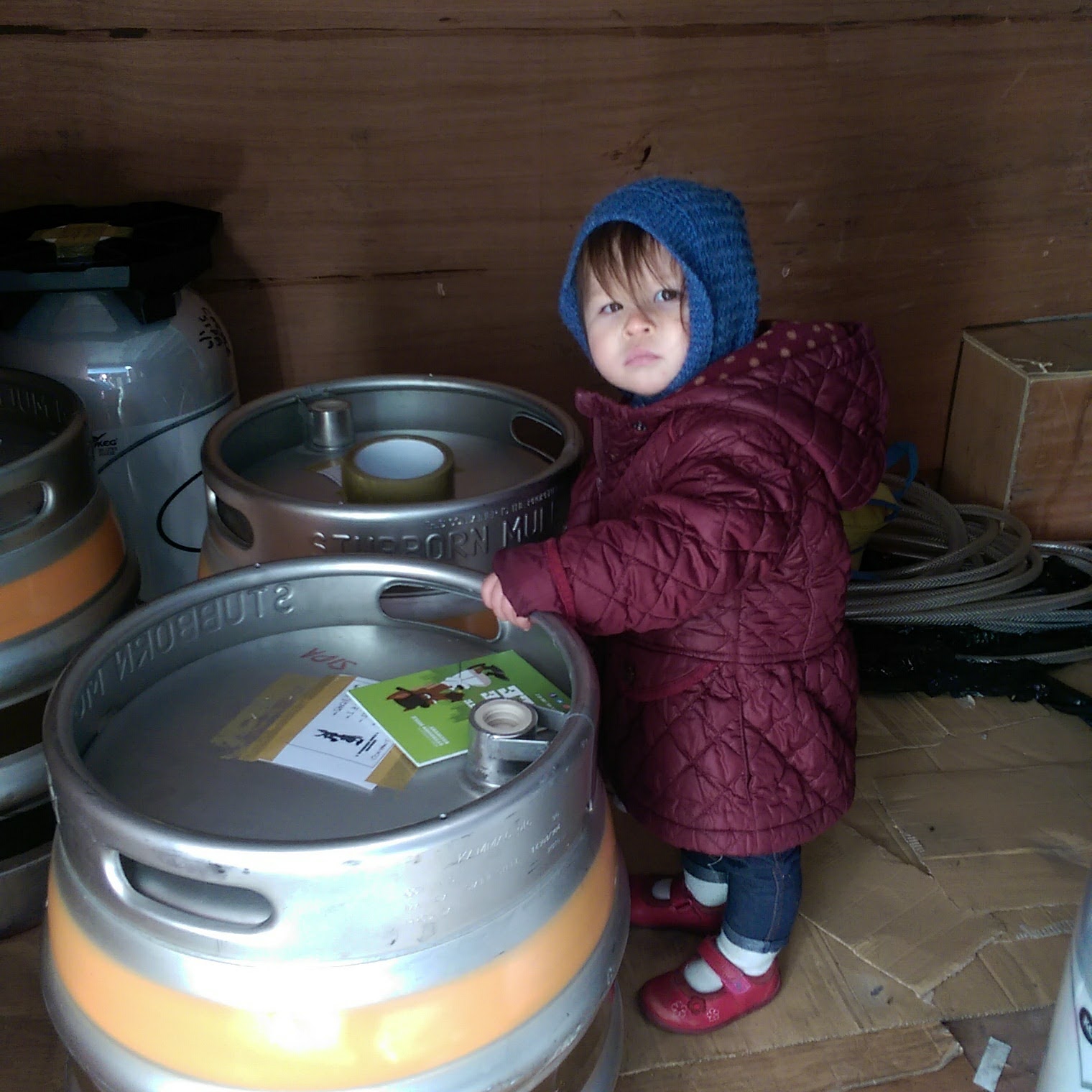
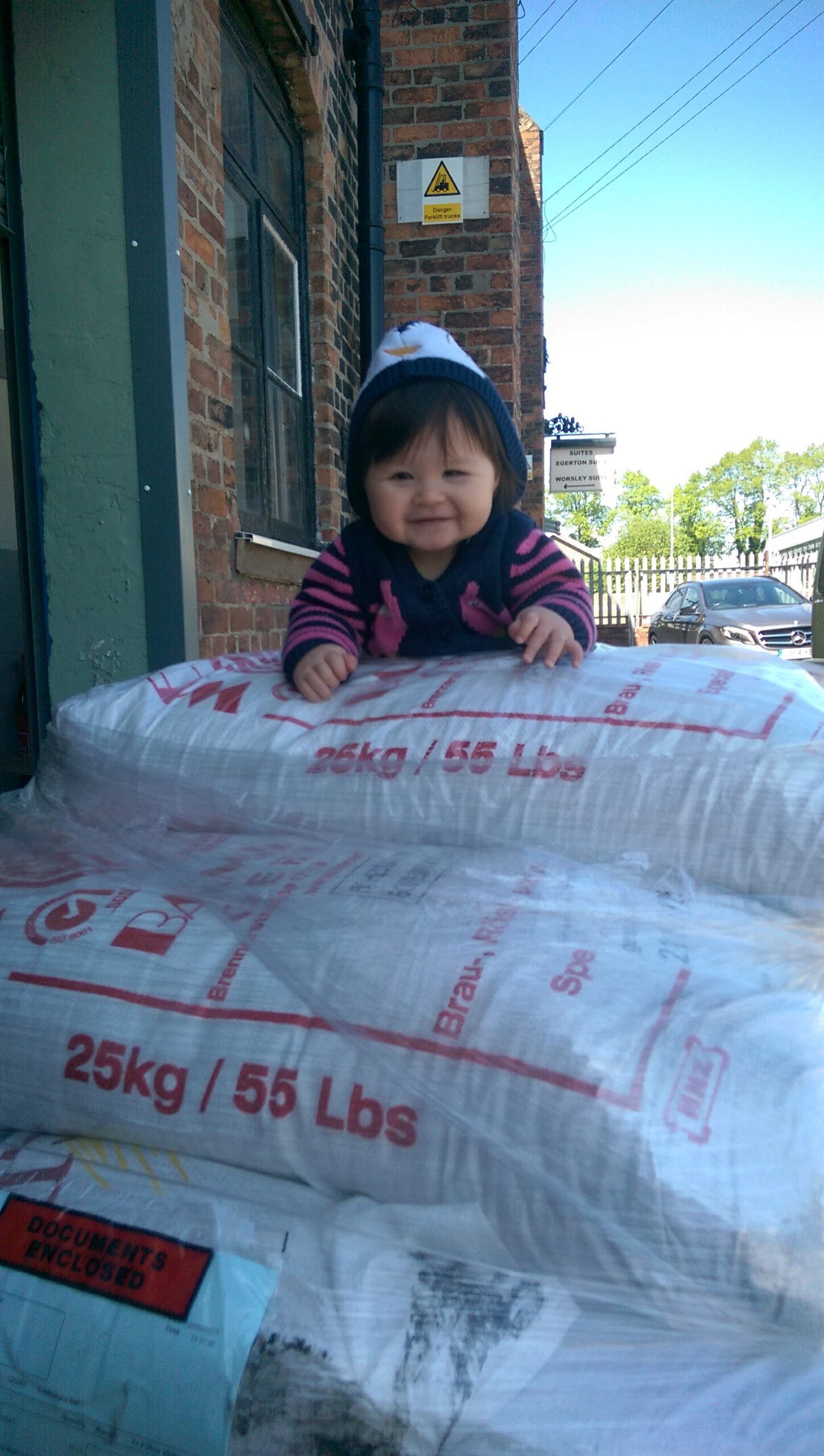
Life was pretty hectic during these years. We had two young children, aged one and three, and I was trying to build a brewery business at the same time. There was, at least, some semblance of a business starting to take shape!
“Don’t buy too small, or you’ll regret it!”
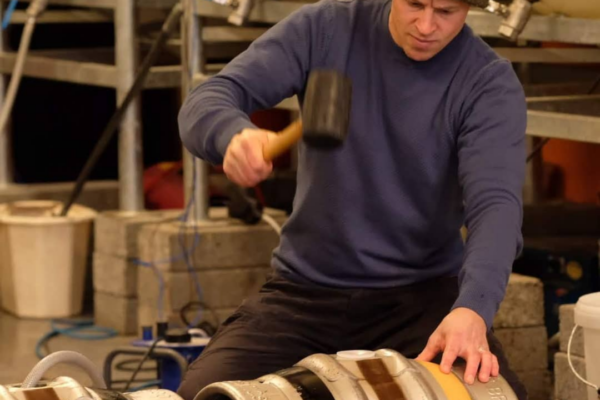
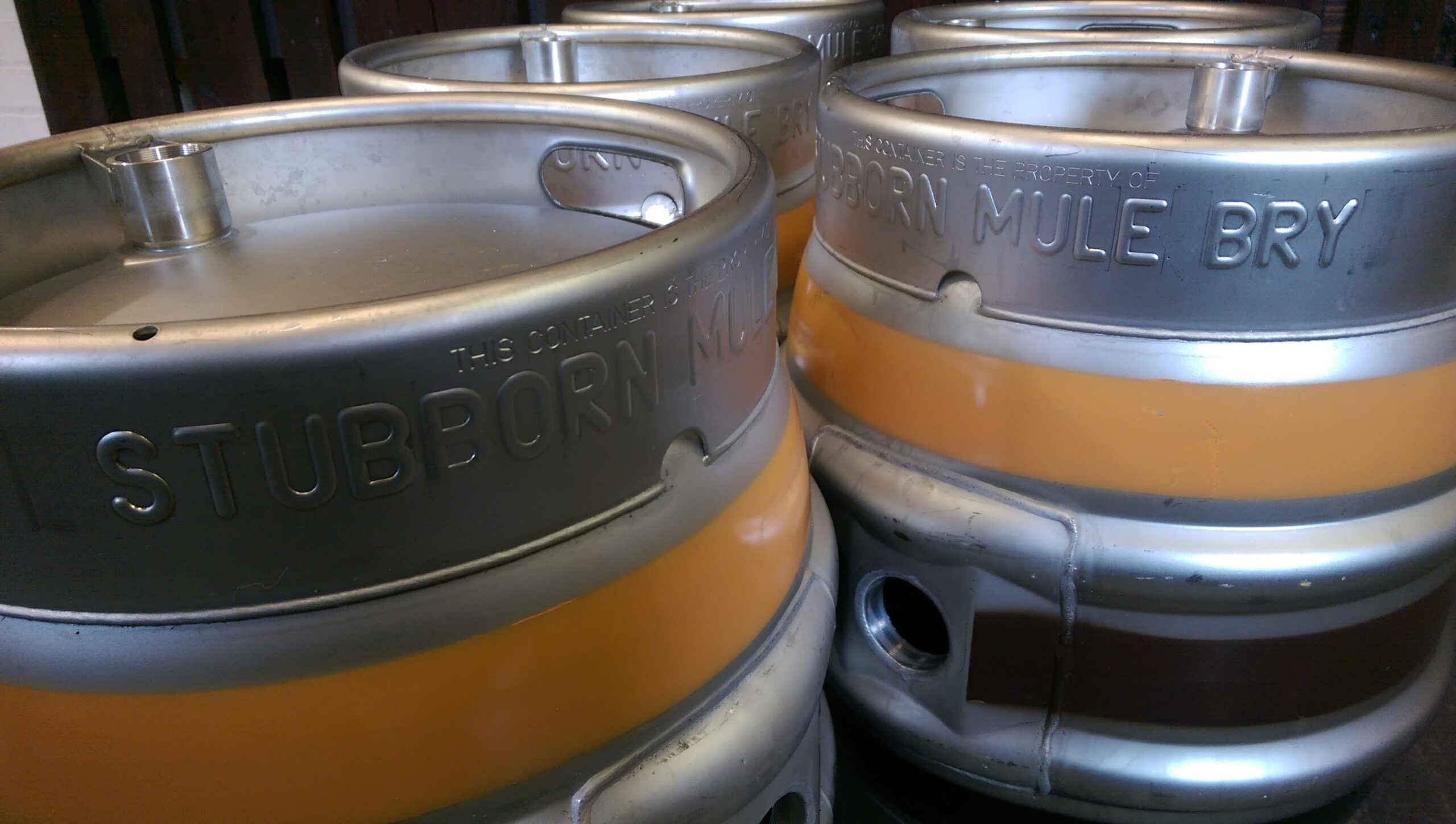
I’d set Stubborn Mule up as a microbrewery with the intention of really pushing the wholesale side. That was why I’d invested in a 10-barrel brewing kit. My thinking was simple: don’t buy too small, or you’ll regret it! I wanted to be able to grow into the equipment rather than find myself limited by it a couple of years down the line.
The reality was that we were still recovering from the problems caused by the liquidation of our original equipment supplier. The balance sheet wasn’t healthy, and to suggest otherwise would be a lie. I can still vividly remember our accountant coming round to the house to talk about rolling losses forward. It was a pretty difficult time, and there were moments when the financial side of things felt like a bit of a nightmare.
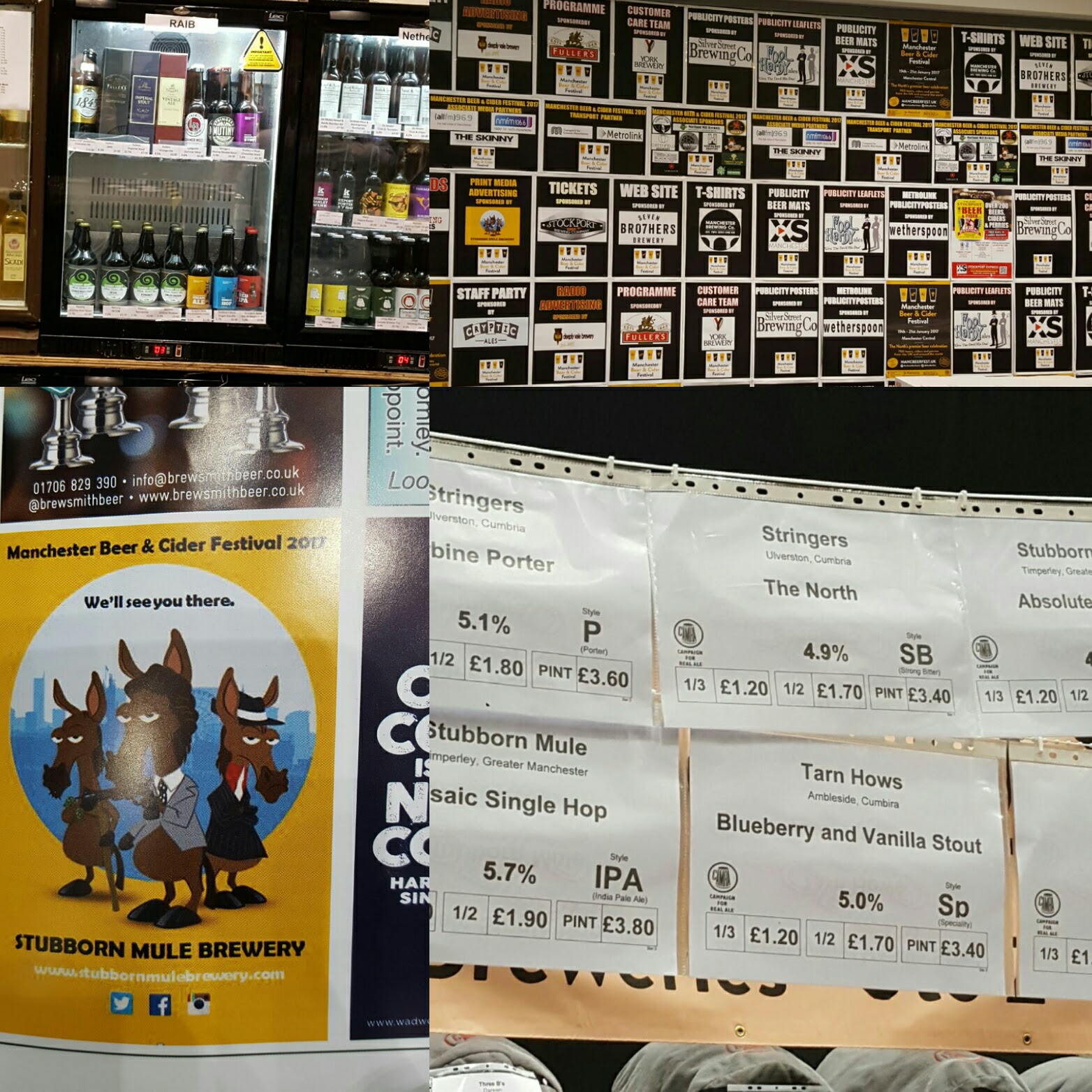
The brewery itself, though, was beginning to hit its stride. Wholesale was picking up, and the effort I’d put into developing the range was starting to pay off. Festivals became a big part of life, and by 2019 I was regularly delivering beer around Manchester and across the North West. There was a lot of time spent on the road, and I’m still not entirely convinced how efficient all that driving was!
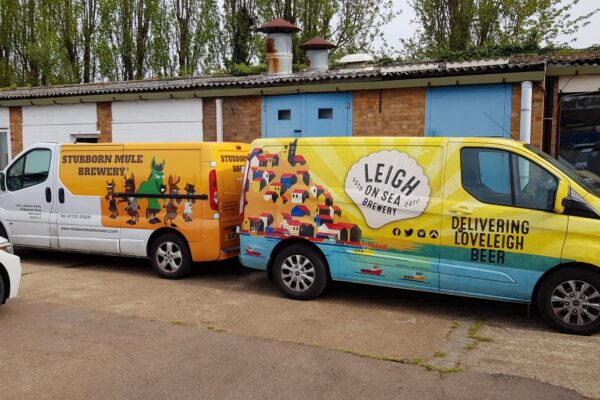
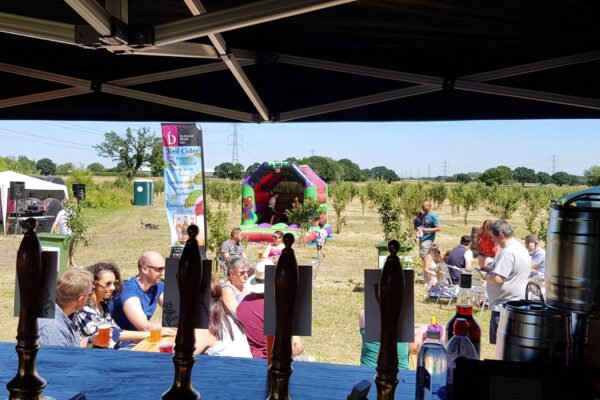
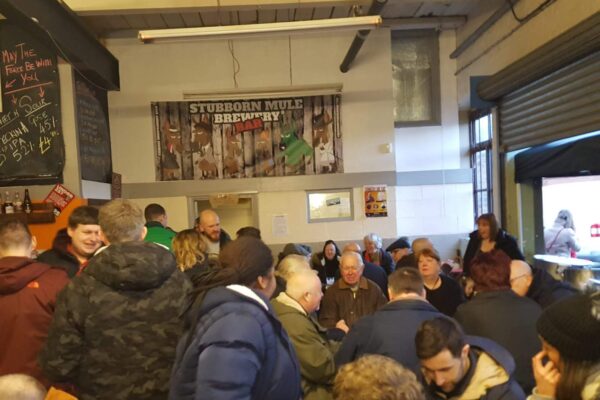
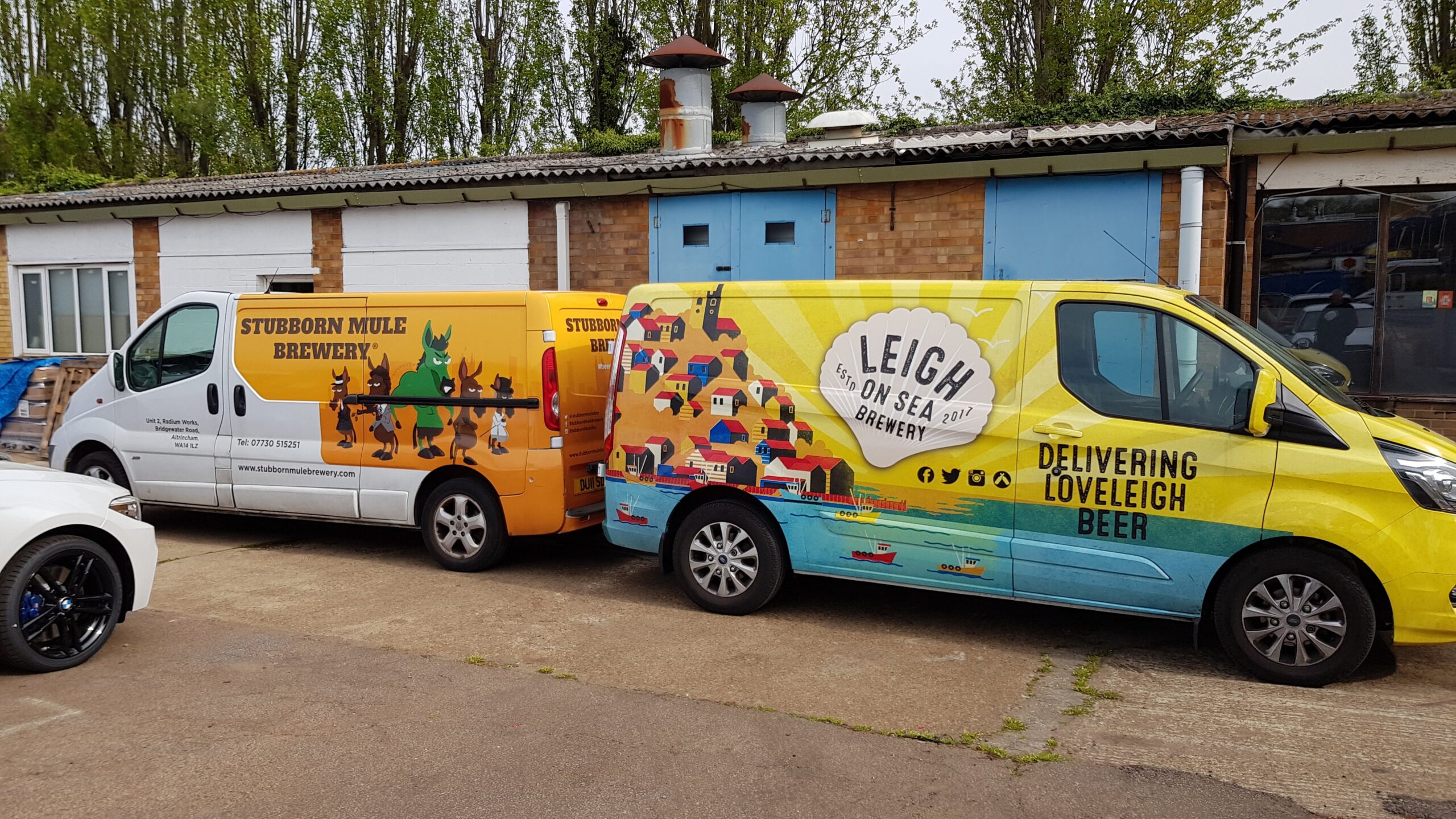
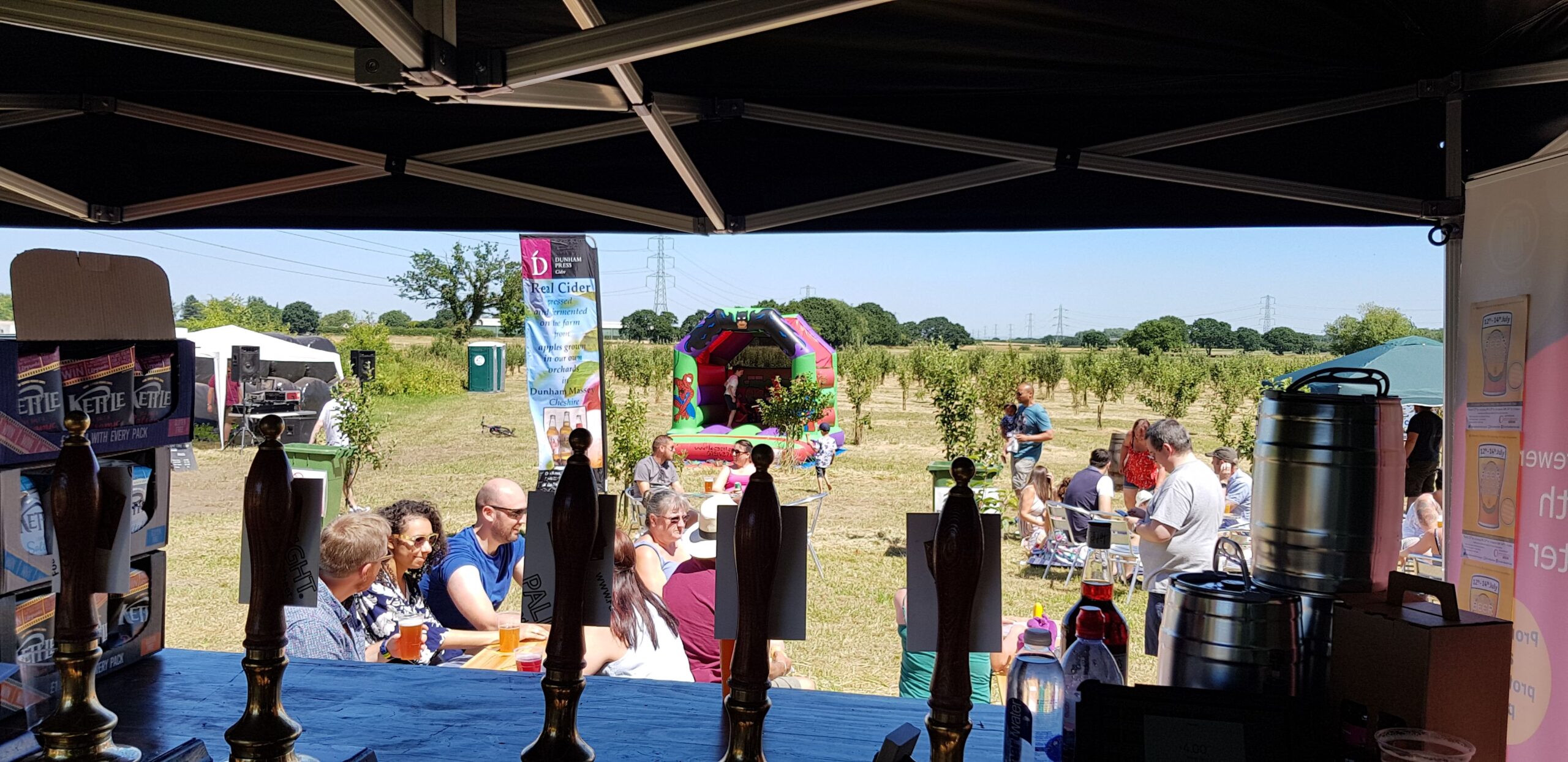
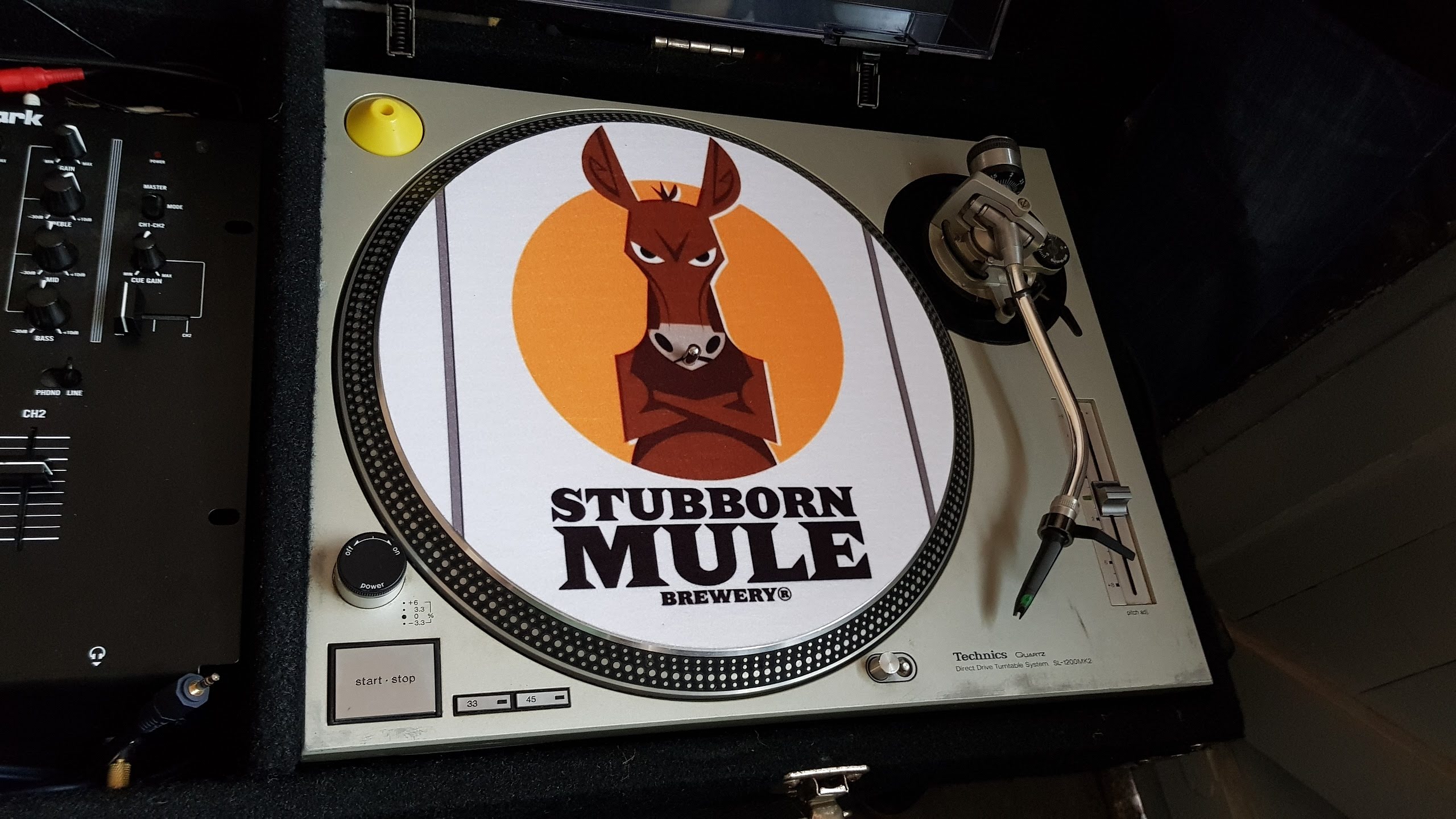
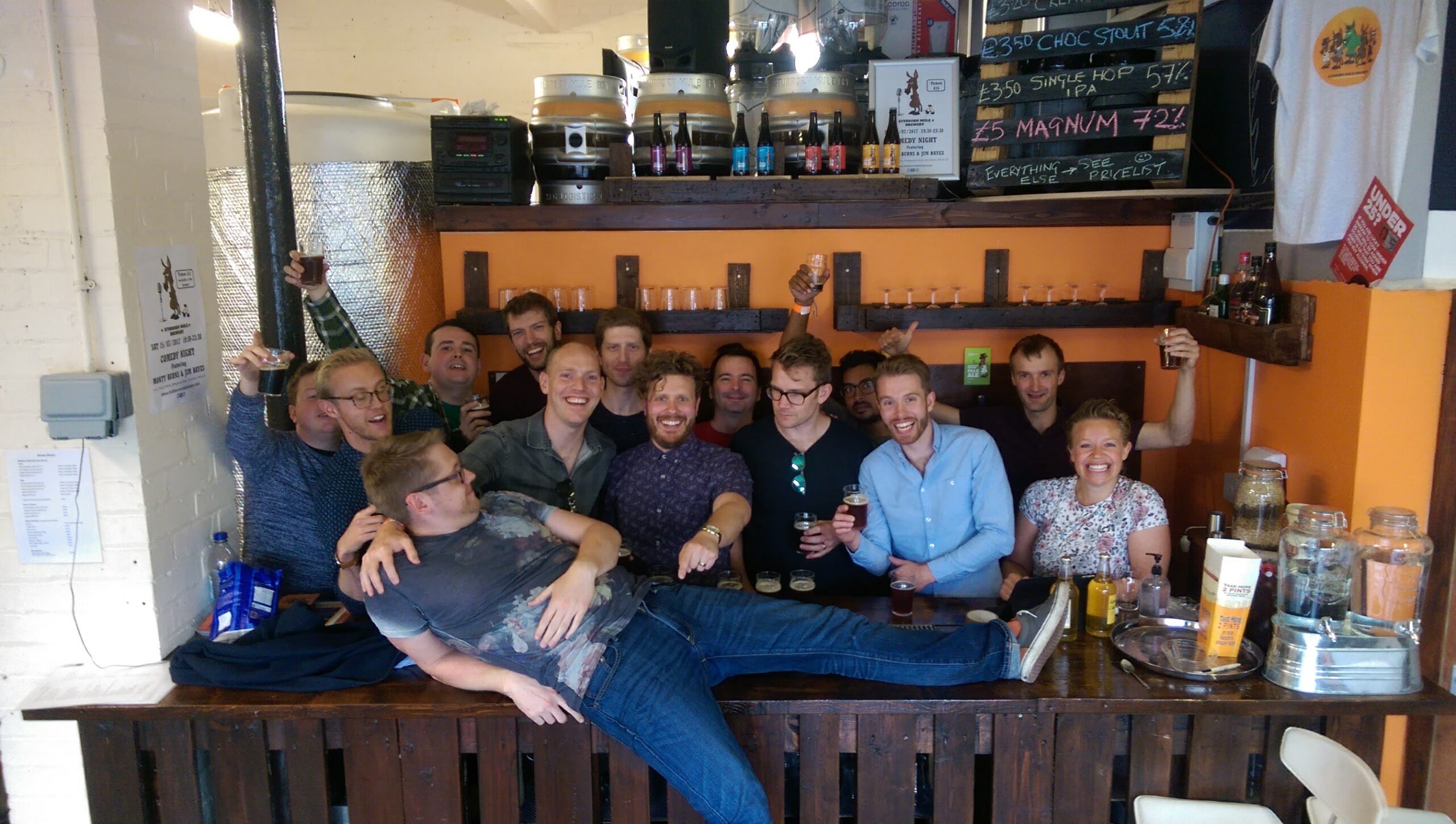
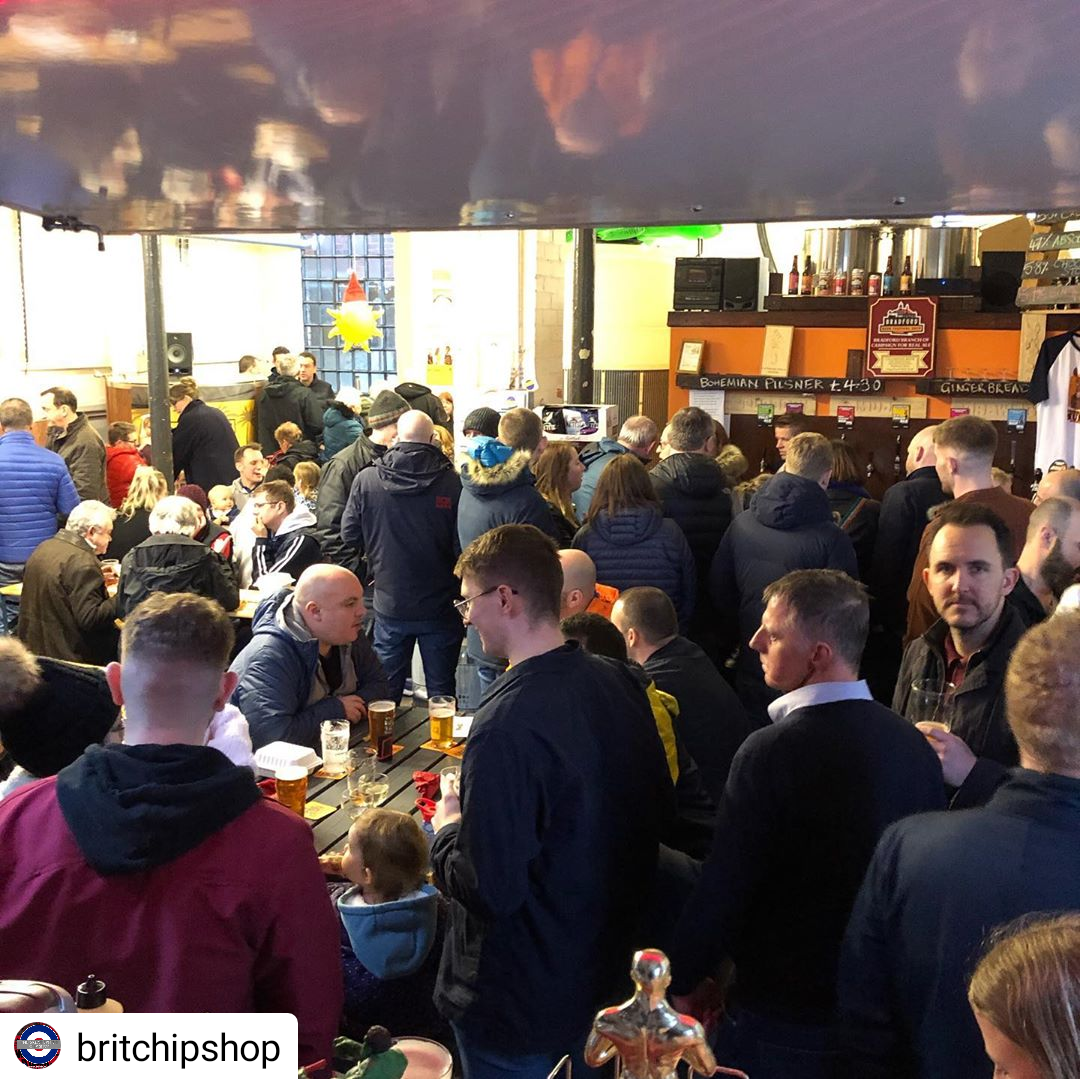
Trade sales through 2019 were particularly strong. Our Brew Tap days were popular too, with DJs, comedy nights and Meet the Brewery talks becoming part of the mix. We teamed up with Dunham Press Cider for parties in the Orchards, brewed Lil Napoleon for the first time, started supplying bottles to 20 Stories in Manchester and even found ourselves selling plenty of mini kegs at school Christmas fairs. We bought a canning machine, collaborated with Leigh-on-Sea Brewery and generally got involved in all the things you’d expect from a growing microbrewery.
“It was, in many ways, peak microbrewery.”
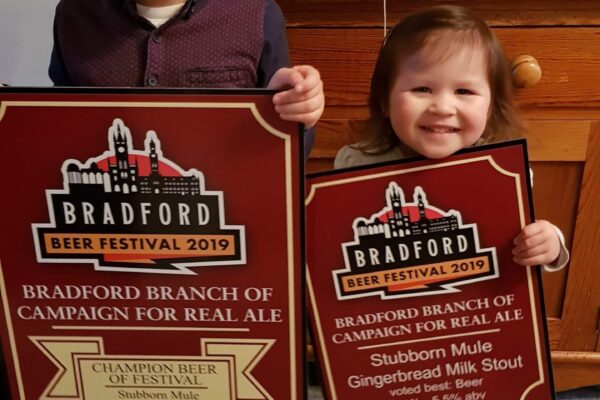
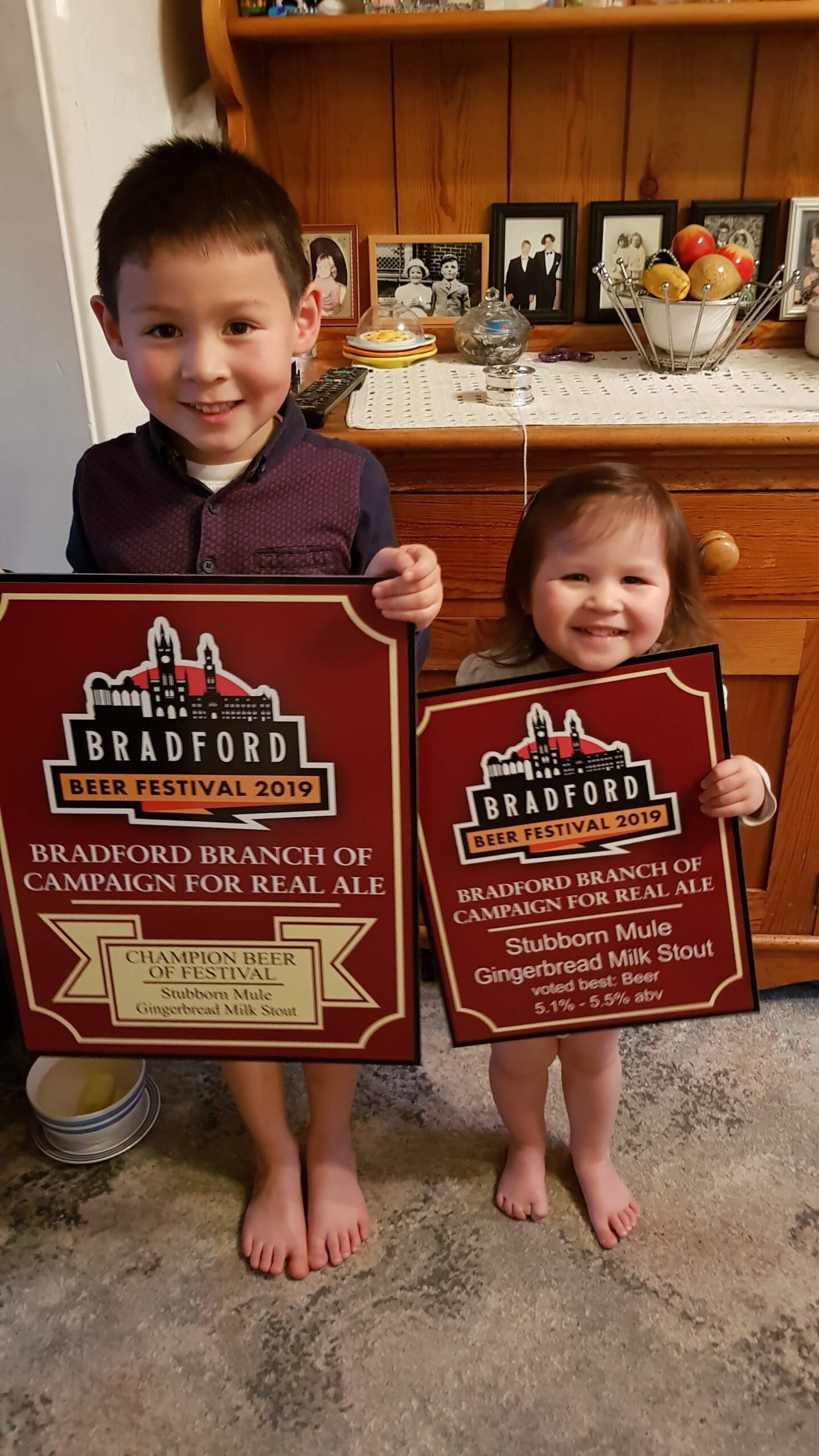
March 2019 brought another highlight when we won Beer of the Festival at Bradford Beer Festival. In the same week, the main immersion heater broke down. I removed it and fitted a replacement myself. That’s brewery life for you!
It was, in many ways, peak microbrewery. Lots going on, lots of new opportunities and plenty of fun. We were also starting to look at other retail units that might give us room for a small taproom.
Towards the end of 2019, after a really promising year, we enquired about a retail unit in the soon-to-be-refurbished Stanley Square in Sale. It seemed ideal: a taproom just outside our immediate area, with plenty of potential. The lease was on my desk ready to sign on 29 February 2020.
“Sliding doors indeed.”
Little did we know, that date would also be our final Brew Tap day at Radium Works. Within a couple of weeks, the country would be heading into lockdown.
Sliding doors indeed. I genuinely believe that if I’d signed that lease, there might have been no coming back.
A busy one. Saturday 29 February 2020 — the last Brew Tap at Radium Works. With things going well, there was even a friendly nudge to get that lease signed.
16 March 2020, the week before lockdown, is imprinted in my mind. The website started going a bit crazy. By the following week, when lockdown came into force on 23 March, I wasn’t quite so concerned about what I was going to do with a cold room full of beer!
Most breweries and hospitality businesses were suddenly trying to work out how to operate with social distancing and all the restrictions that came with it. I was working alone, driven by two things: firstly, I didn’t want to waste all the beer I’d been preparing for the summer, and secondly, there didn’t seem to be many breweries with a website ready to go. Fortunately, we had one.
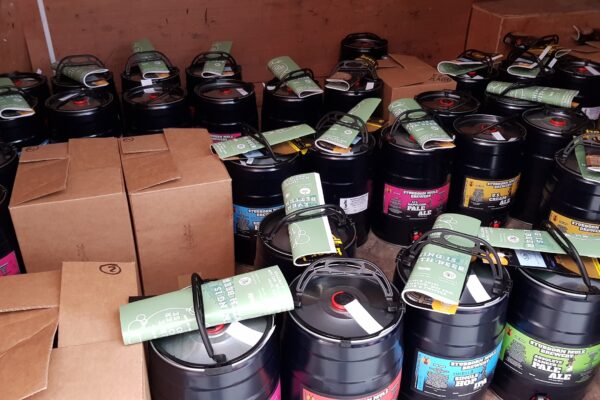
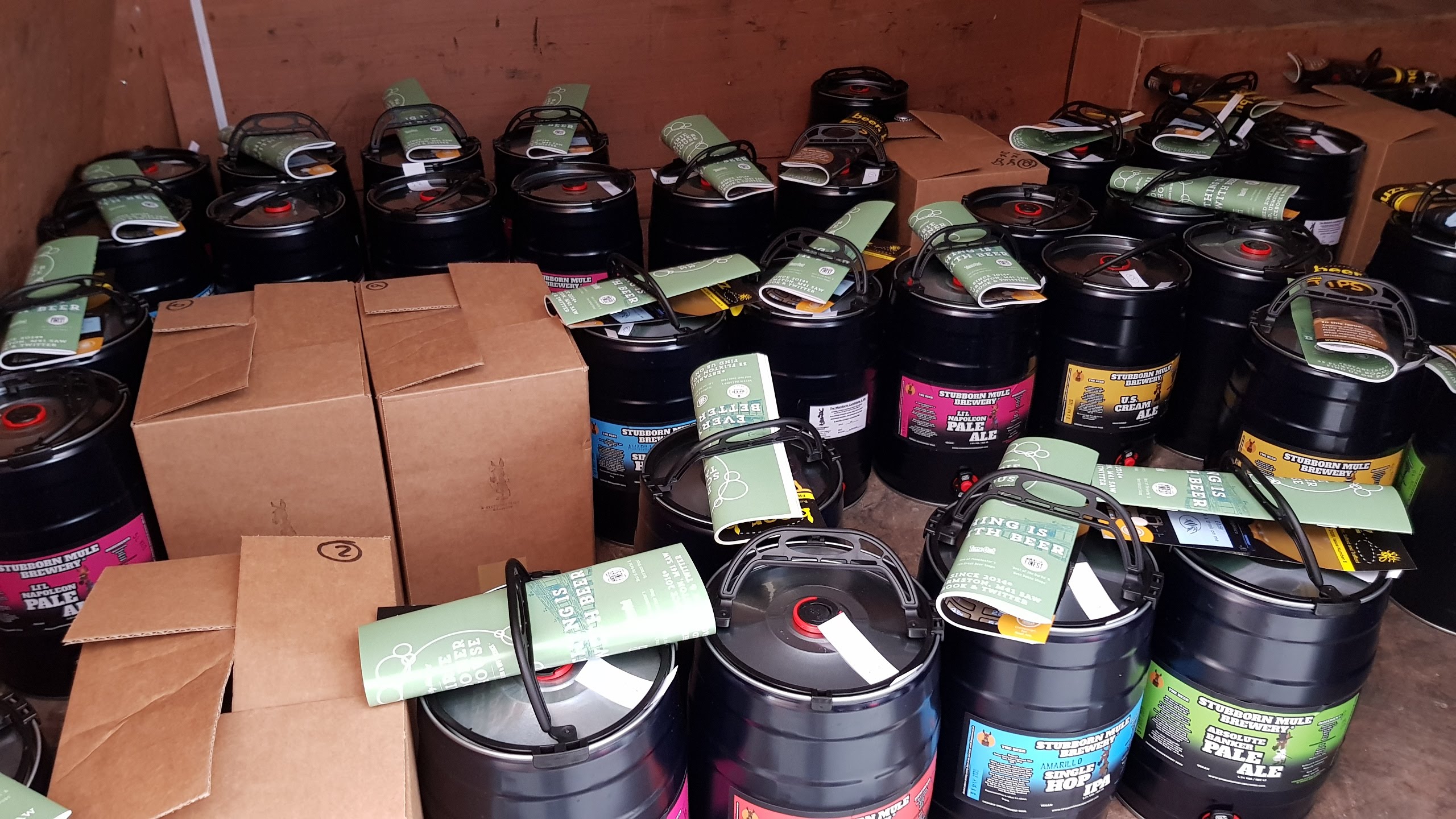
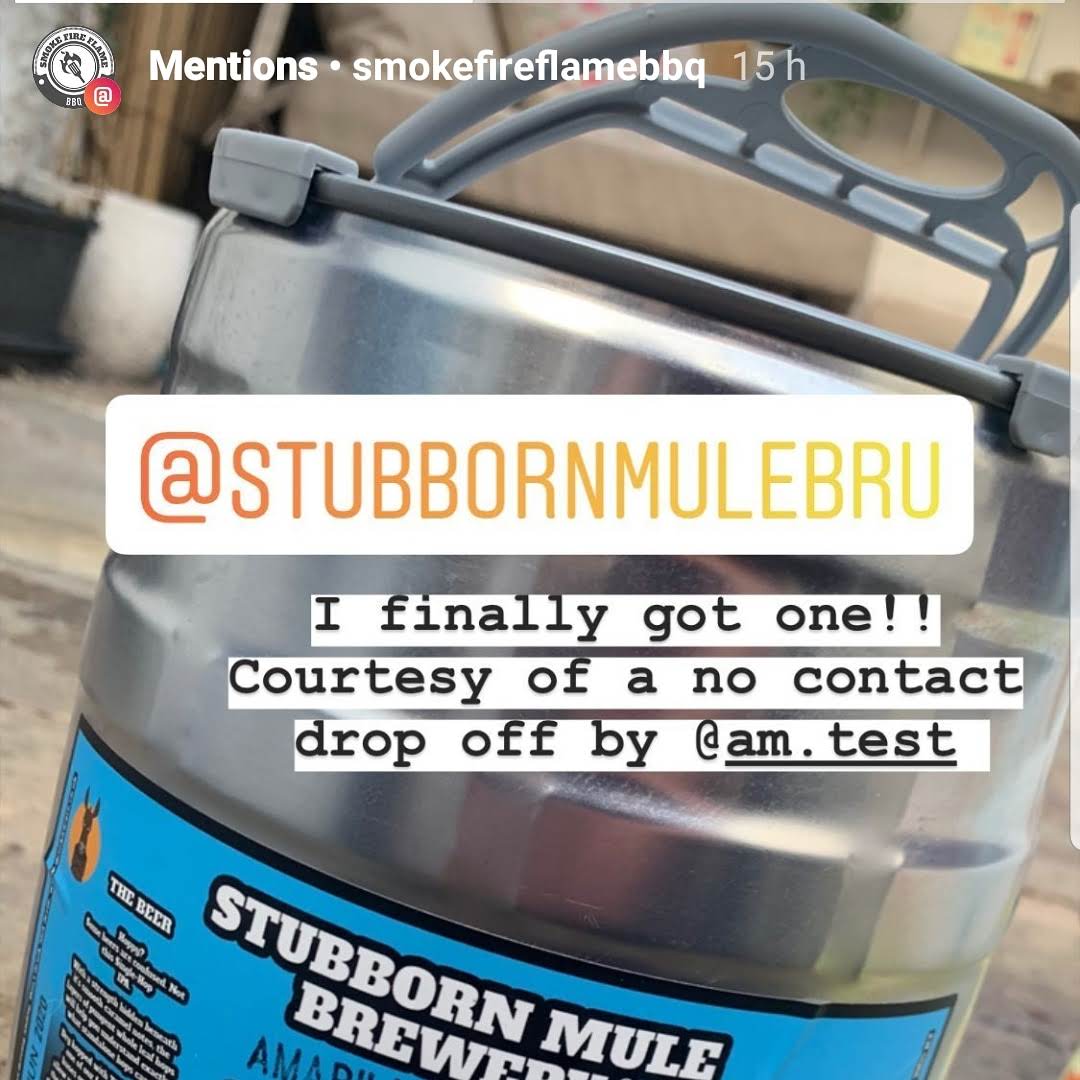
I started by putting our cask beers into Bag-in-Box and 5-litre mini kegs. It wasn’t long before I’d worked out a way of transferring our existing KeyKeg stock into mini kegs too, meaning we could get pretty much all our beer out to people at home.
“I wasn’t quite so concerned about what I was going to do with a cold room full of beer!”
Between March and June 2020, things went a bit mad. At the peak I was out delivering every other day, eventually having to restrict the postcodes that could order from the website just to keep things manageable. We also sent Bag-in-Box beer all over the UK, with a weekly trip to the DHL depot in Trafford Park.
But it was our local customers who really kept things moving. The weather for those first few months was absolutely boiling, and anyone lucky enough not to be working, or sadly ill, was often on furlough and making the most of their newly built garden bar. And they wanted beer!
The free local delivery service we introduced then still continues today across our three main local postcodes. More importantly, those deliveries put Stubborn Mule in front of hundreds of new customers. I was turning up on doorsteps, having a chat and delivering beer directly into people’s gardens. It was a friendly, personal service at a time when people were missing a bit of human contact.
We couldn’t initially offer collections because of the restrictions, and there was always the slightly worrying thought that if I became ill, that was pretty much the business closed. But demand grew to the point where I actually had to start brewing again during lockdown. That was a brilliant problem to have.
“It also changed the way I thought about the business.”
By the end of the first lockdown, we’d paid off nearly all the outstanding debt in the company. Just as importantly, we’d built a much bigger customer base and a stronger financial platform for the next chapter. When we eventually opened in our new premises, plenty of those customers were already familiar with us and happy to come along and support us.
Of course, it wasn’t all a success story. COVID was a hugely stressful time, with the impact on people’s lives and the hospitality industry changing almost daily. The uncertainty, the restrictions and the wider situation took their toll. But it also changed the way I thought about the business. One thing became very clear: for a small producer like us, selling directly to customers really is where it’s at.
Despite the success of the online business, by 2021 I was pretty much ready to quit while ahead. We had two young children, and after everything the hospitality industry had been through, I was drained. A steady income and a bit more certainty were starting to look rather appealing.
I stopped brewing, handed in my notice at Radium Works and kept the other unit on site for storage, with the hope of eventually selling the equipment.
“I stopped brewing, handed in my notice at Radium Works.”
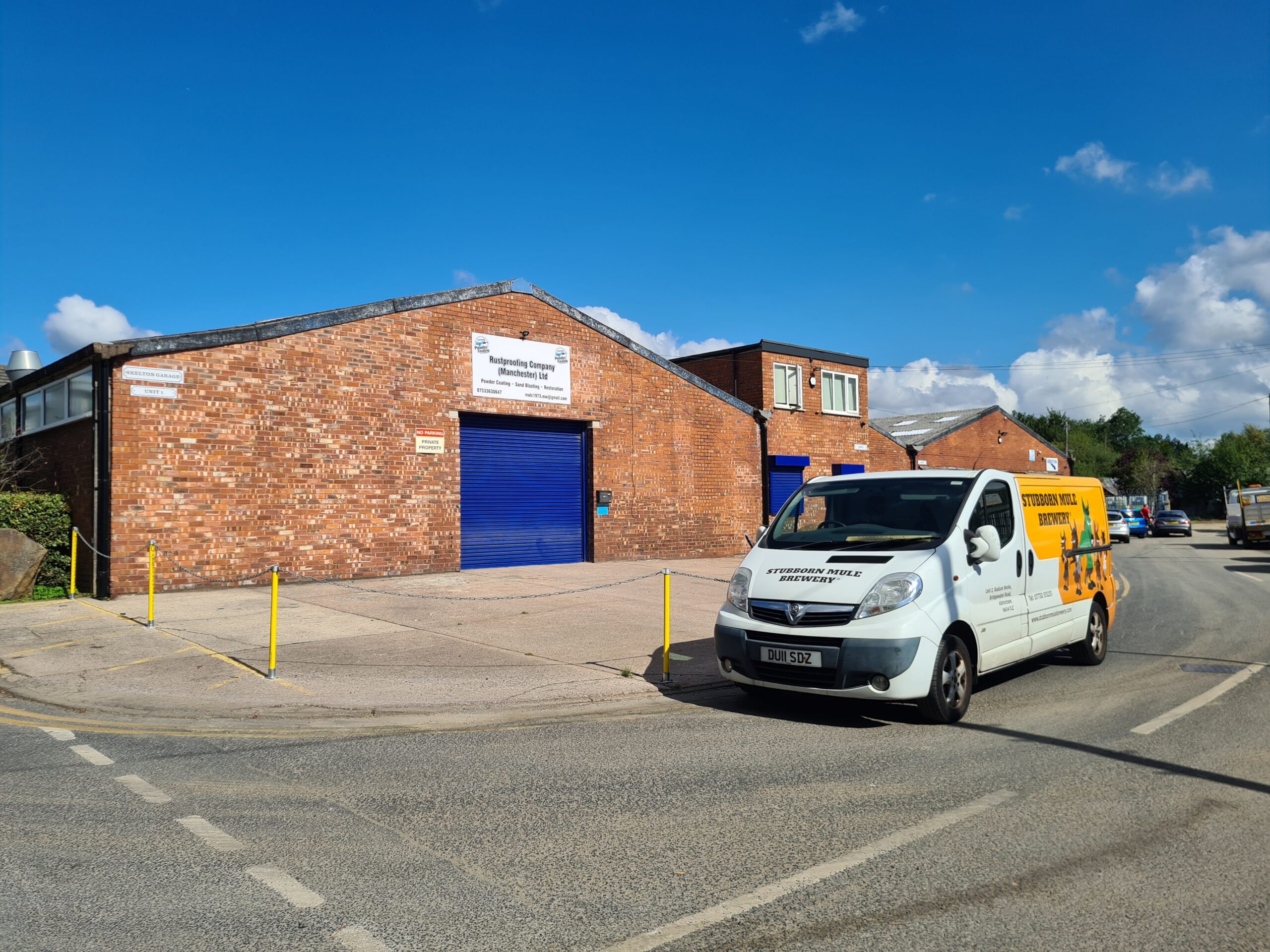
A few months earlier, I’d enquired about another unit on Skelton Road after noticing it was empty. It was more curiosity than a concrete plan, and I was told it had already been taken by a Bodyshop.
Then, just as I’d handed in the keys at Radium Works, the landlord knocked on the door. The Bodyshop had folded, the unit was available again and he remembered my earlier enquiry. He thought he’d try me on the off chance.
I went home and told Swan, my wife, that I thought I’d found another unit!
It seemed to have everything we needed. The location was perfect, and there was real potential to build something bigger. But taking on another lease was a serious commitment. The previous premises had proved the beer and the value of having a taproom, but was it sensible to go again? And could I realistically do it all myself? My initial answer was no.
Swan could see the potential in the unit and what I’d achieved with the brewing up to that point. We both felt there was something worth pursuing, but also recognised that doing it properly would need more than just me.
“A tough 12 months.”
We eventually brought in business partners and took the plunge. It was a challenging period, with plenty to learn about running a bigger operation and finding the right balance. Ultimately, the partnership wasn’t quite the right fit for the longer term, and we eventually agreed a buyout which saw me buy back sole control of Stubborn Mule and take the business forward independently.
It had been a tough 12 months, but reaching that point brought a huge sense of relief. I could get back to concentrating on the business, and from there Stubborn Mule really began to find its feet.
BUILDING THE BREWERY - AGAIN
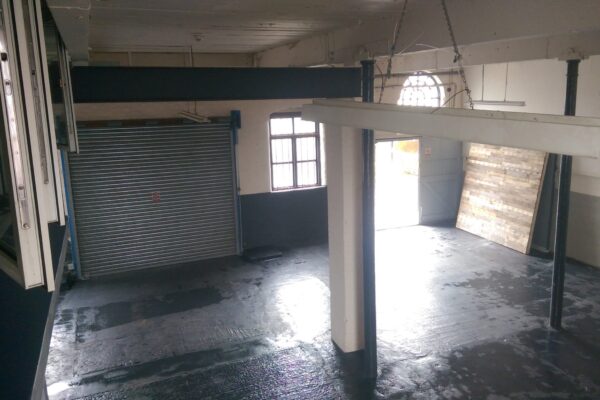
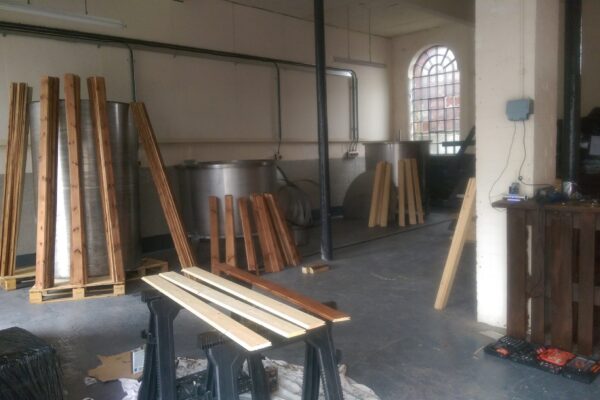
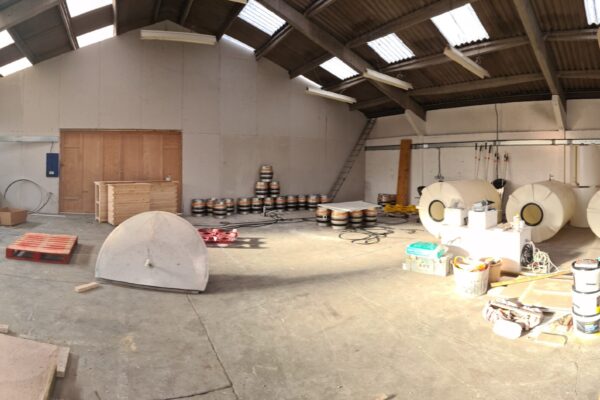
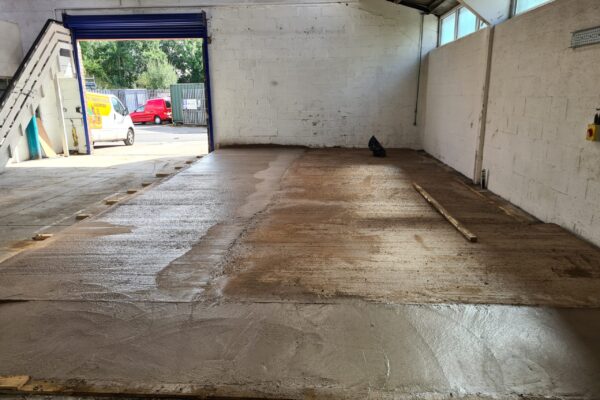
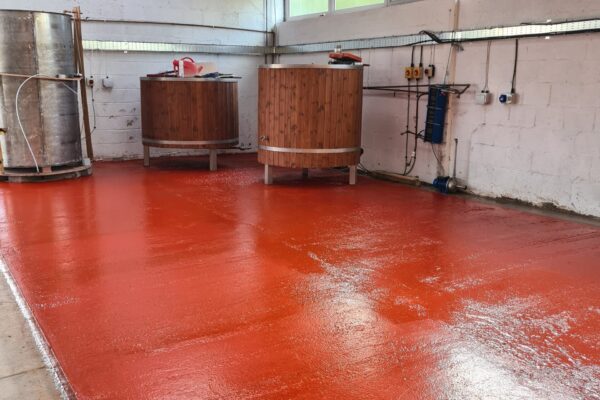
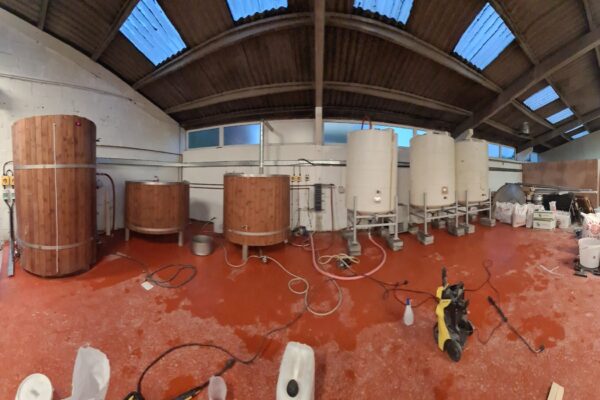
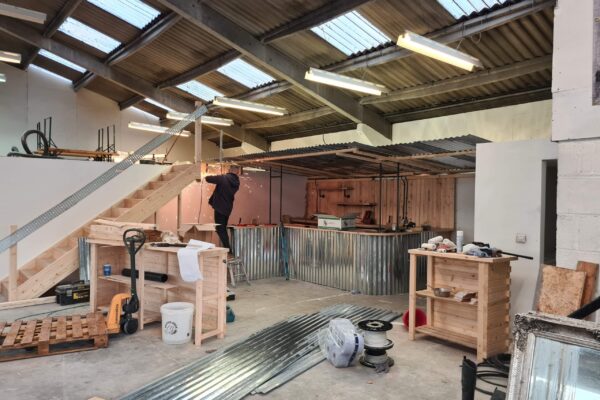
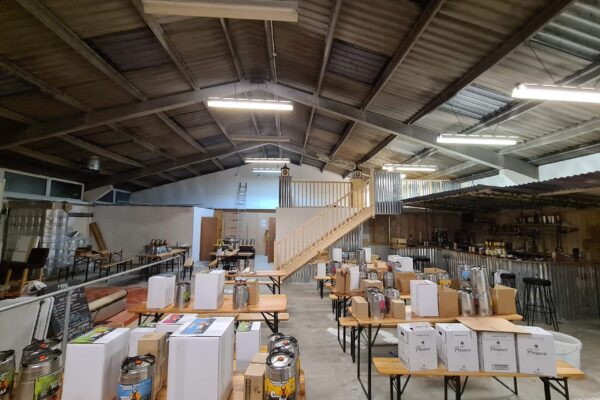
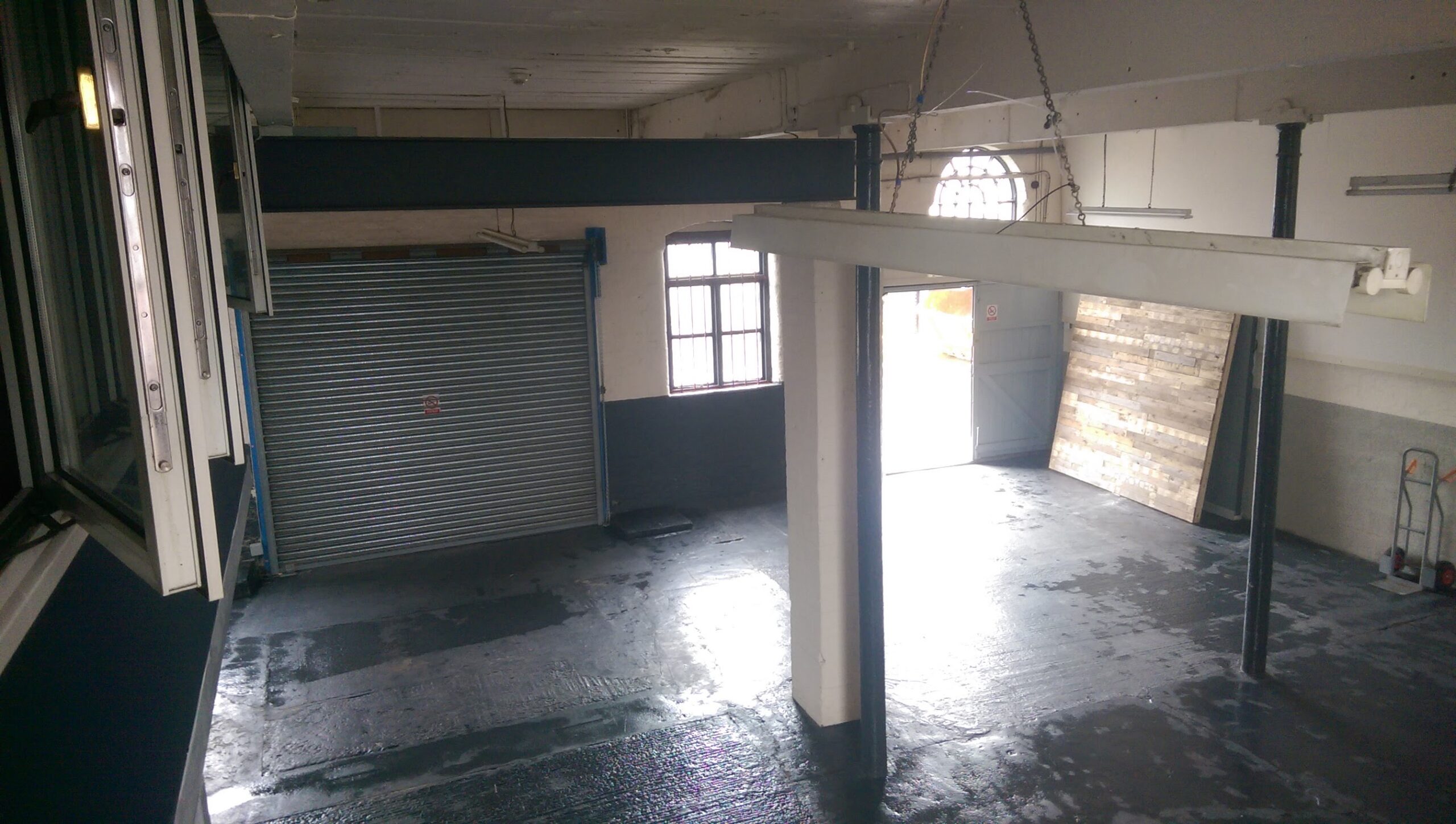
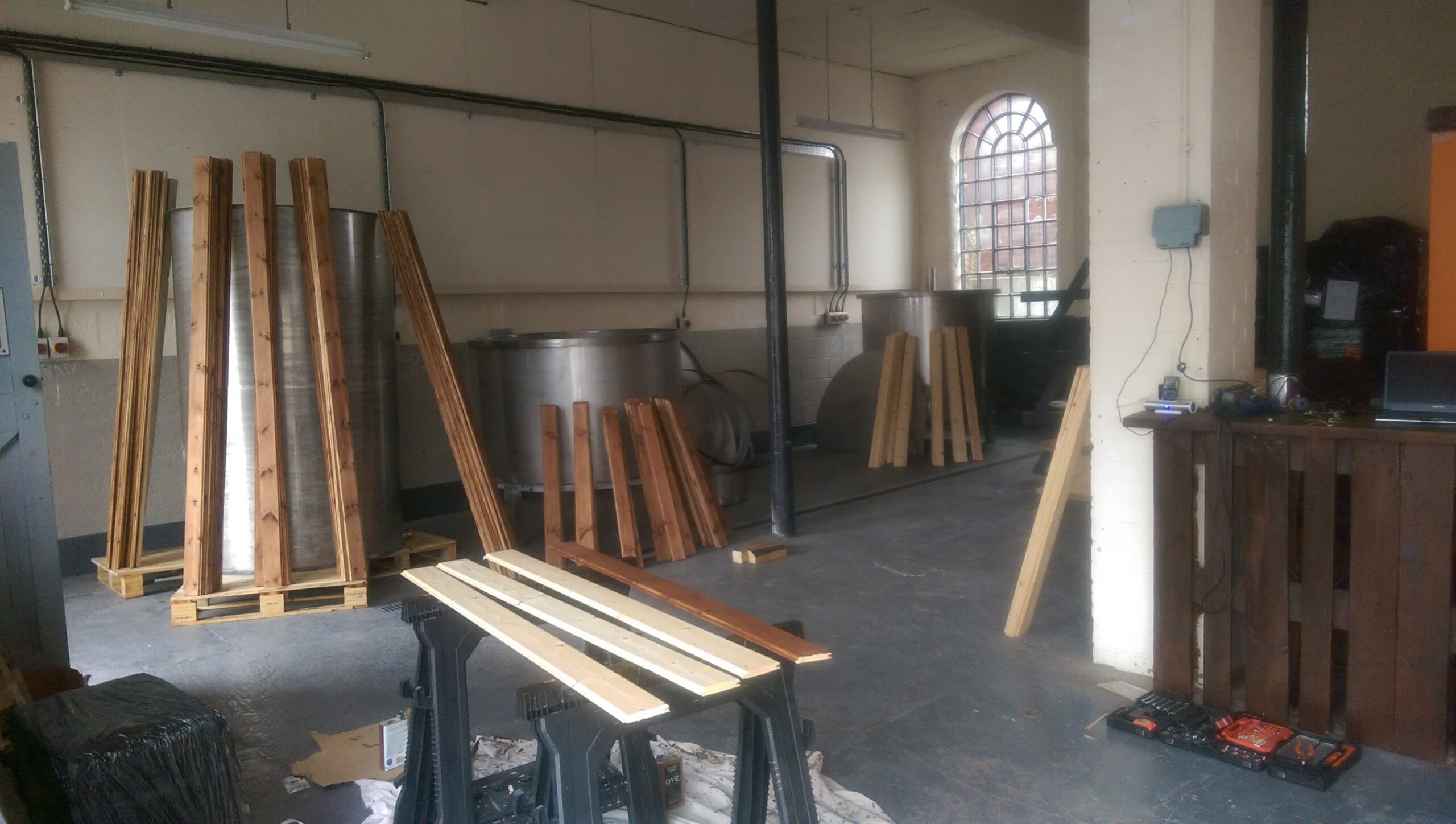
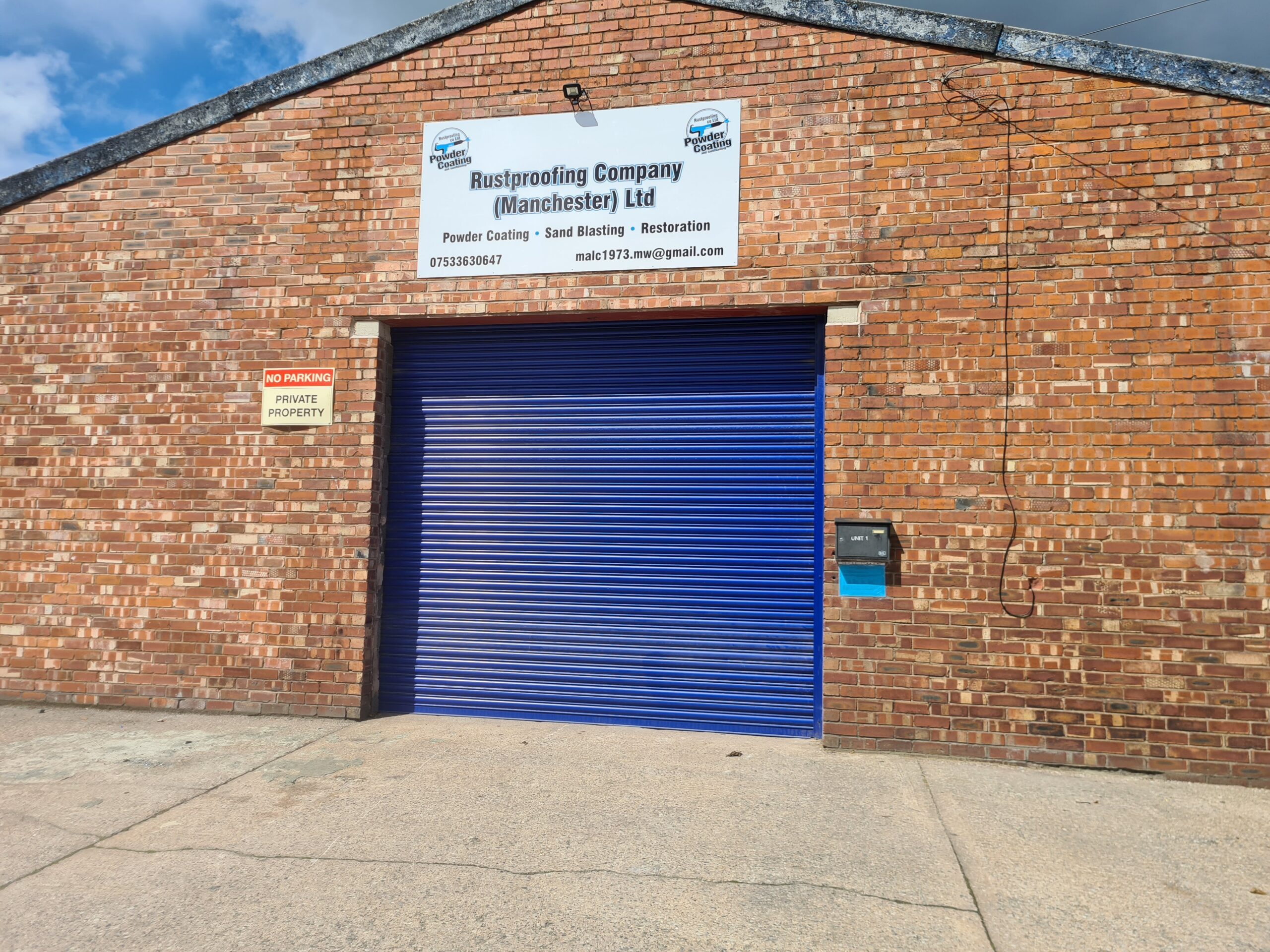
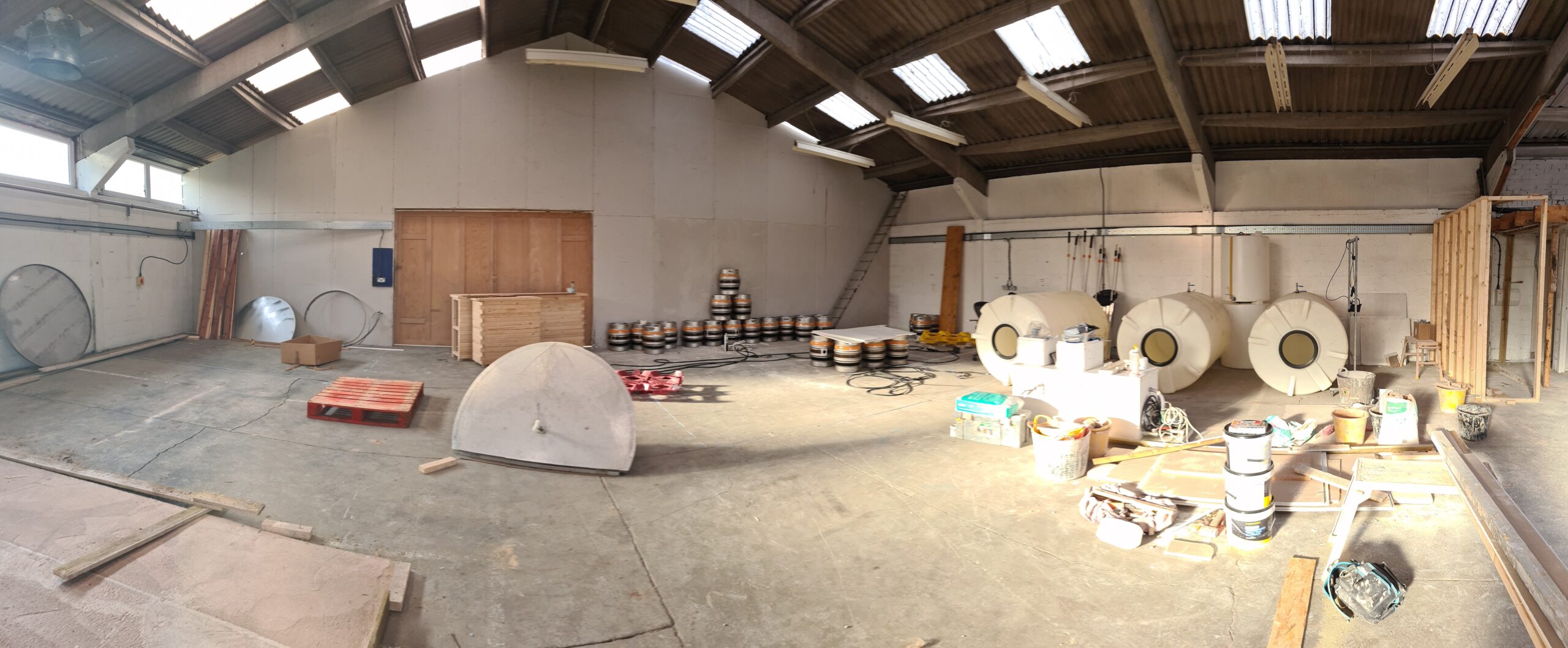
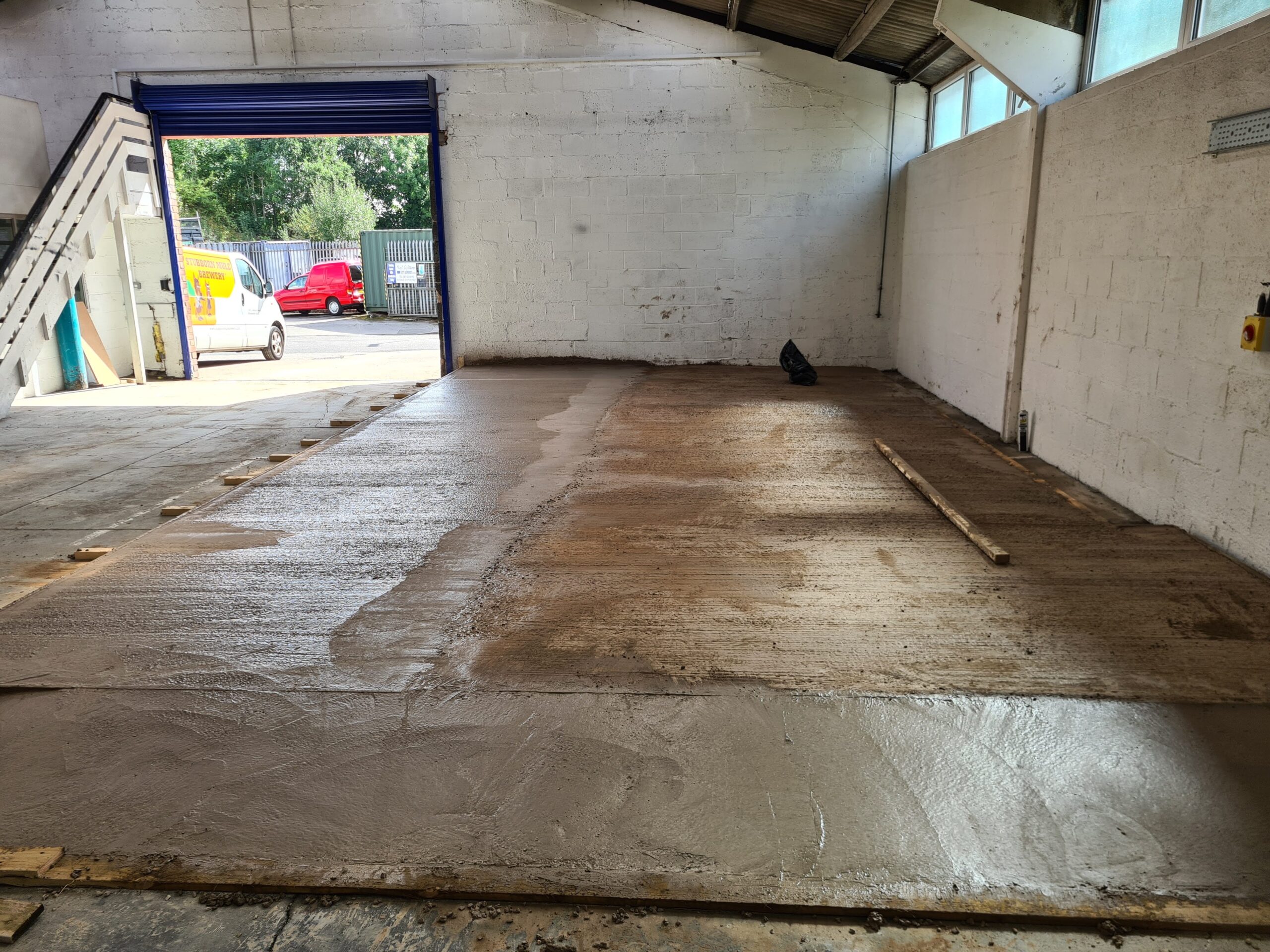
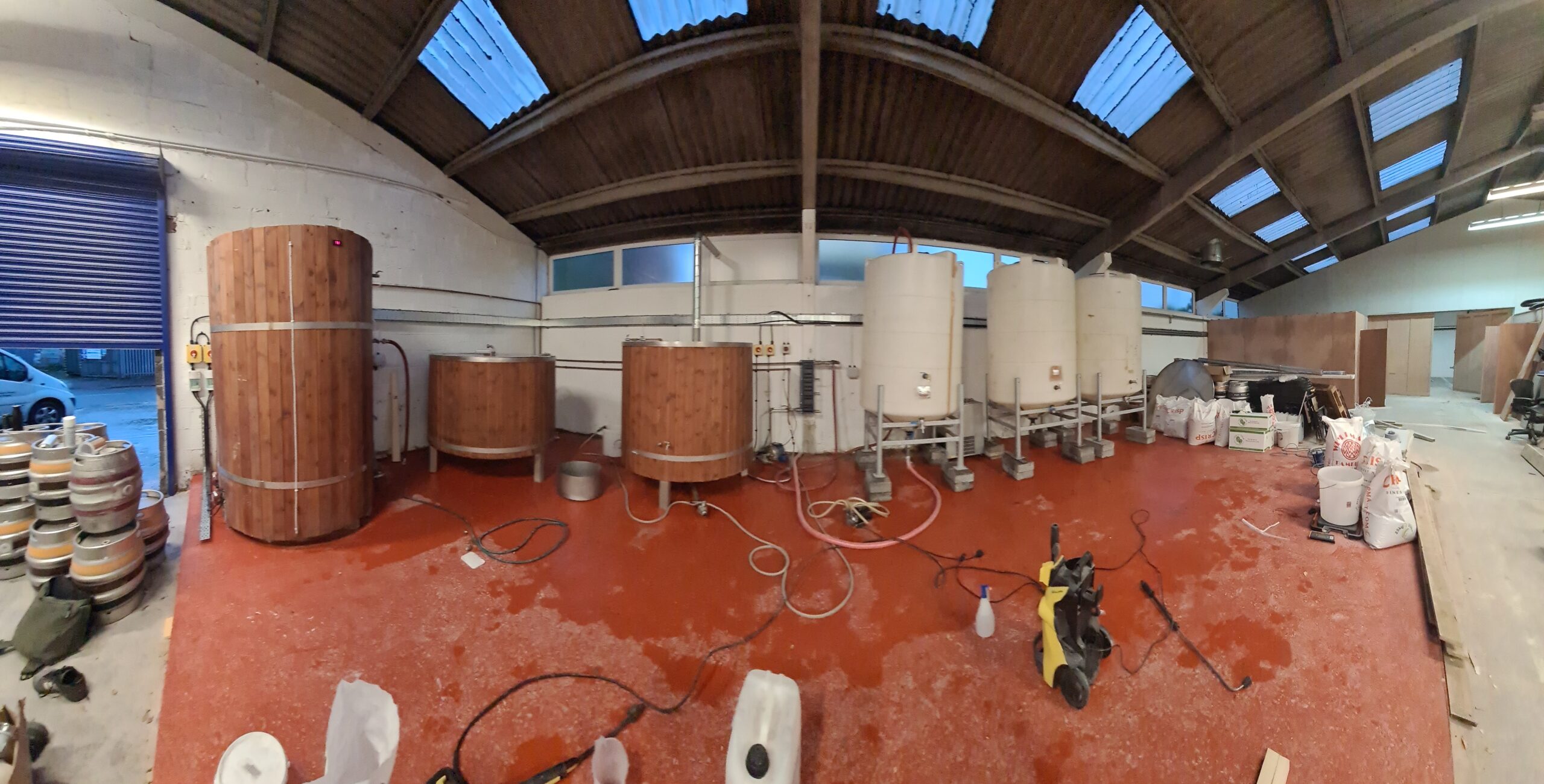
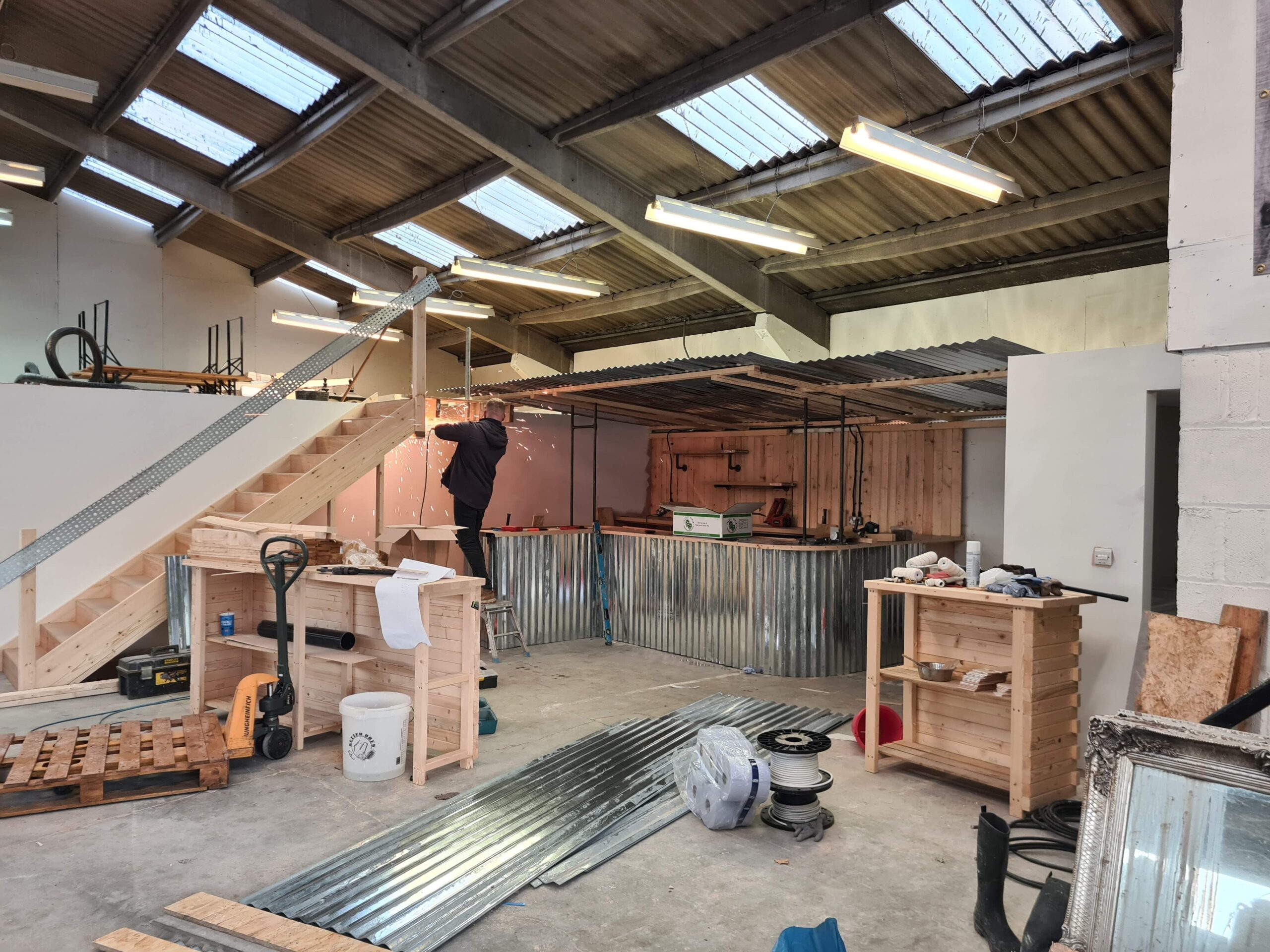
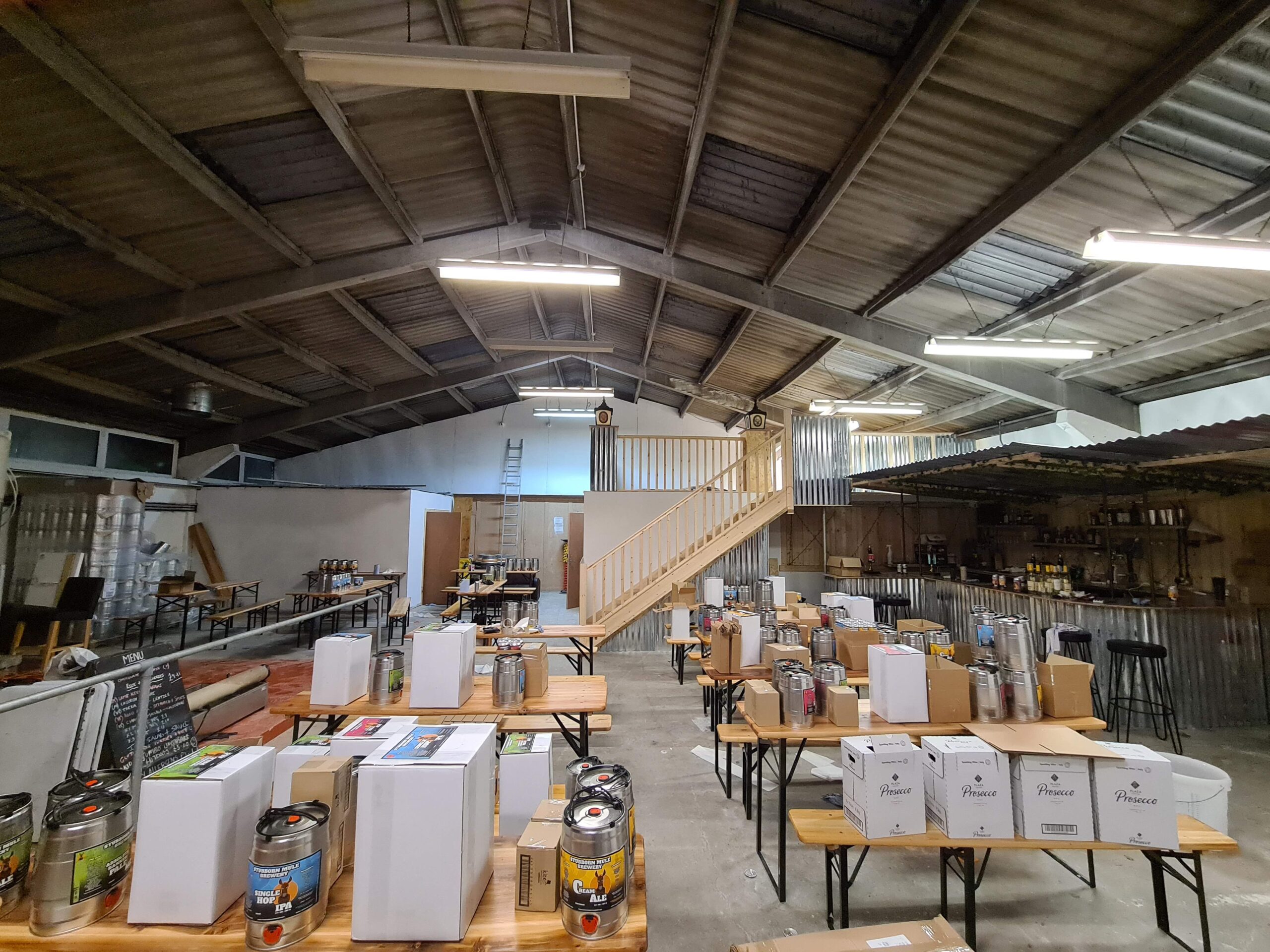
In many ways the move to Skelton Road was back to square one. The new unit was pretty much a 15m × 15m blank canvas, and just like the first time around, there was plenty to do before we could get brewing.
All the licensing, HMRC and planning applications needed sorting, but at least I’d been through that process before and knew what was involved. Getting external help with that sort of thing costs money, so I was happy to roll my sleeves up and do it myself.
“Plenty to do before we could get brewing.”
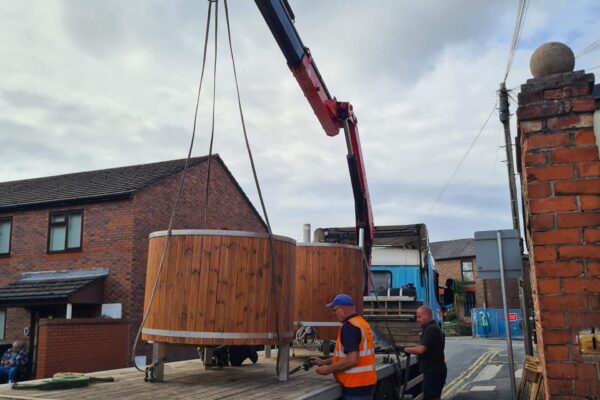
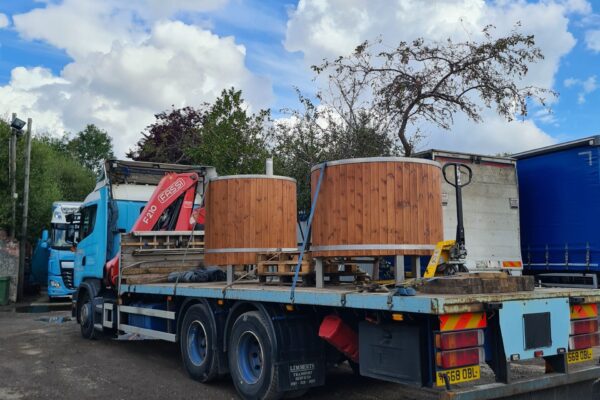
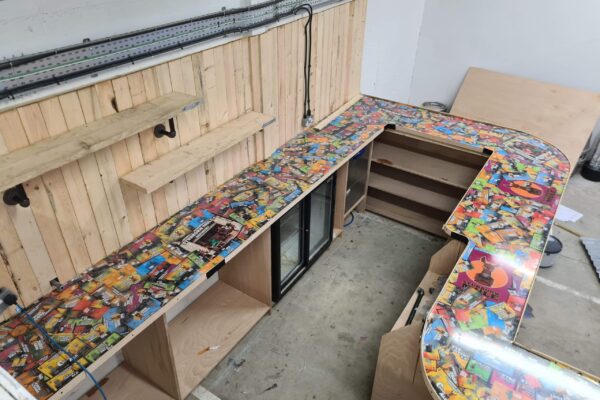
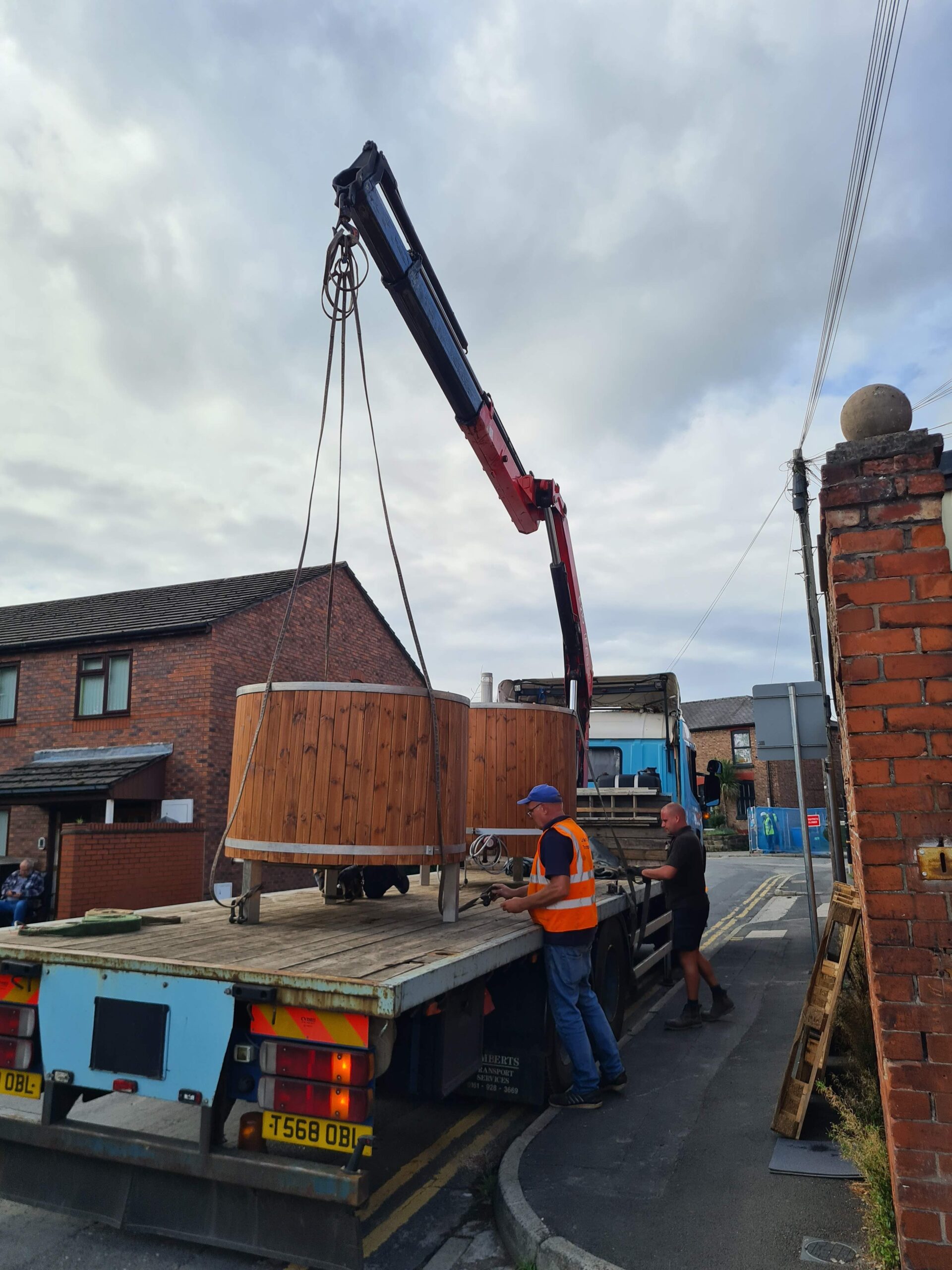
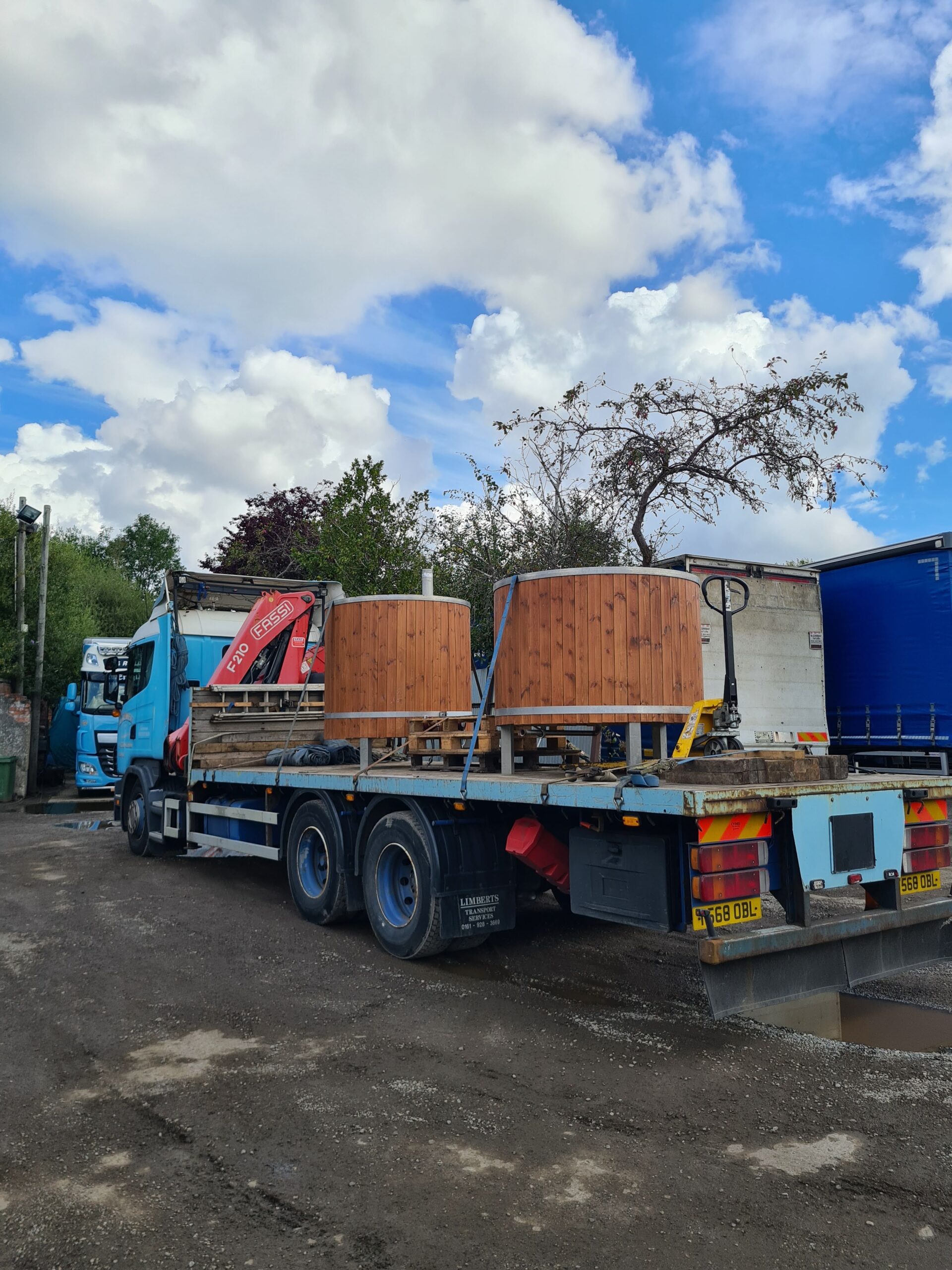
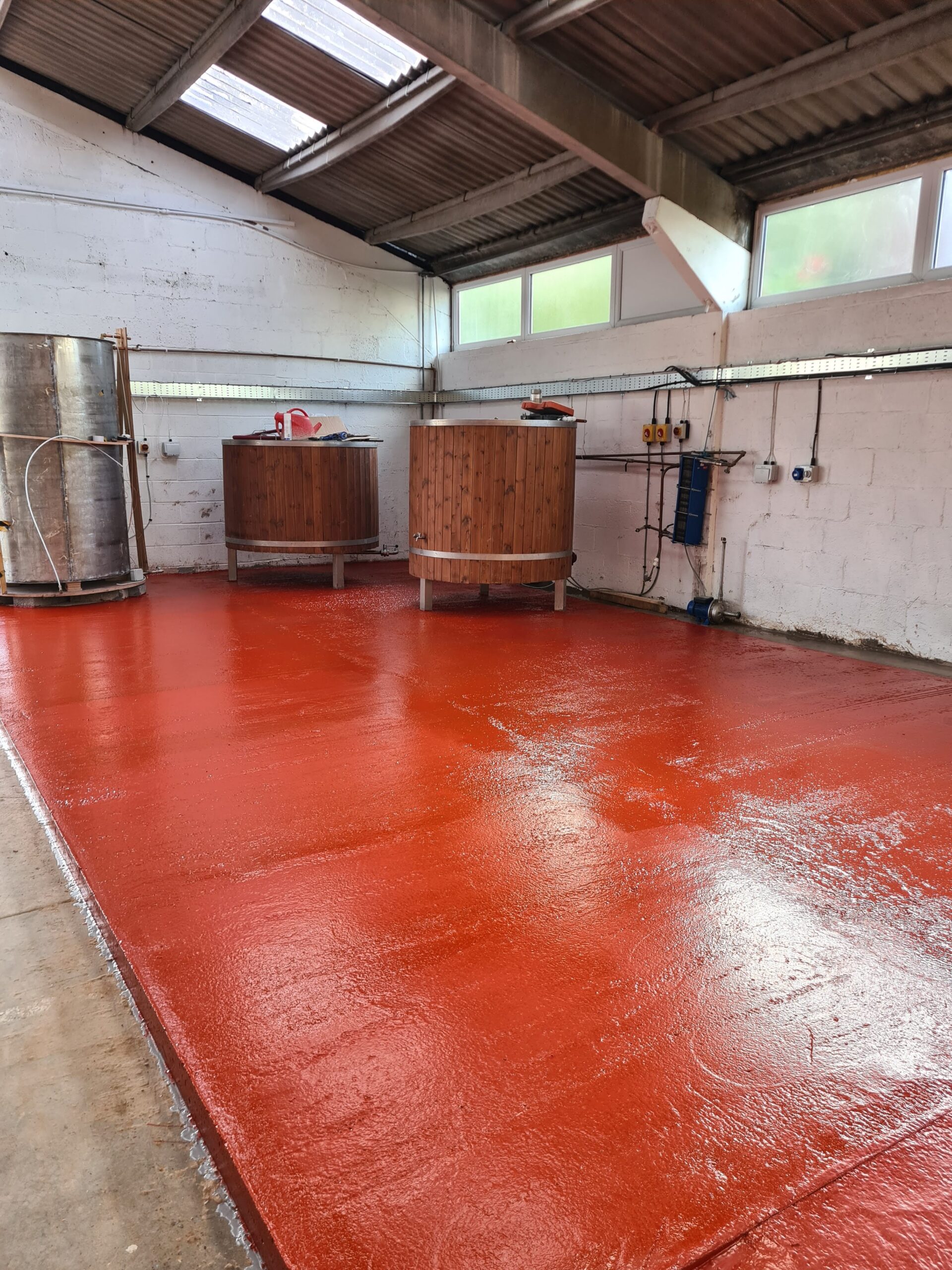
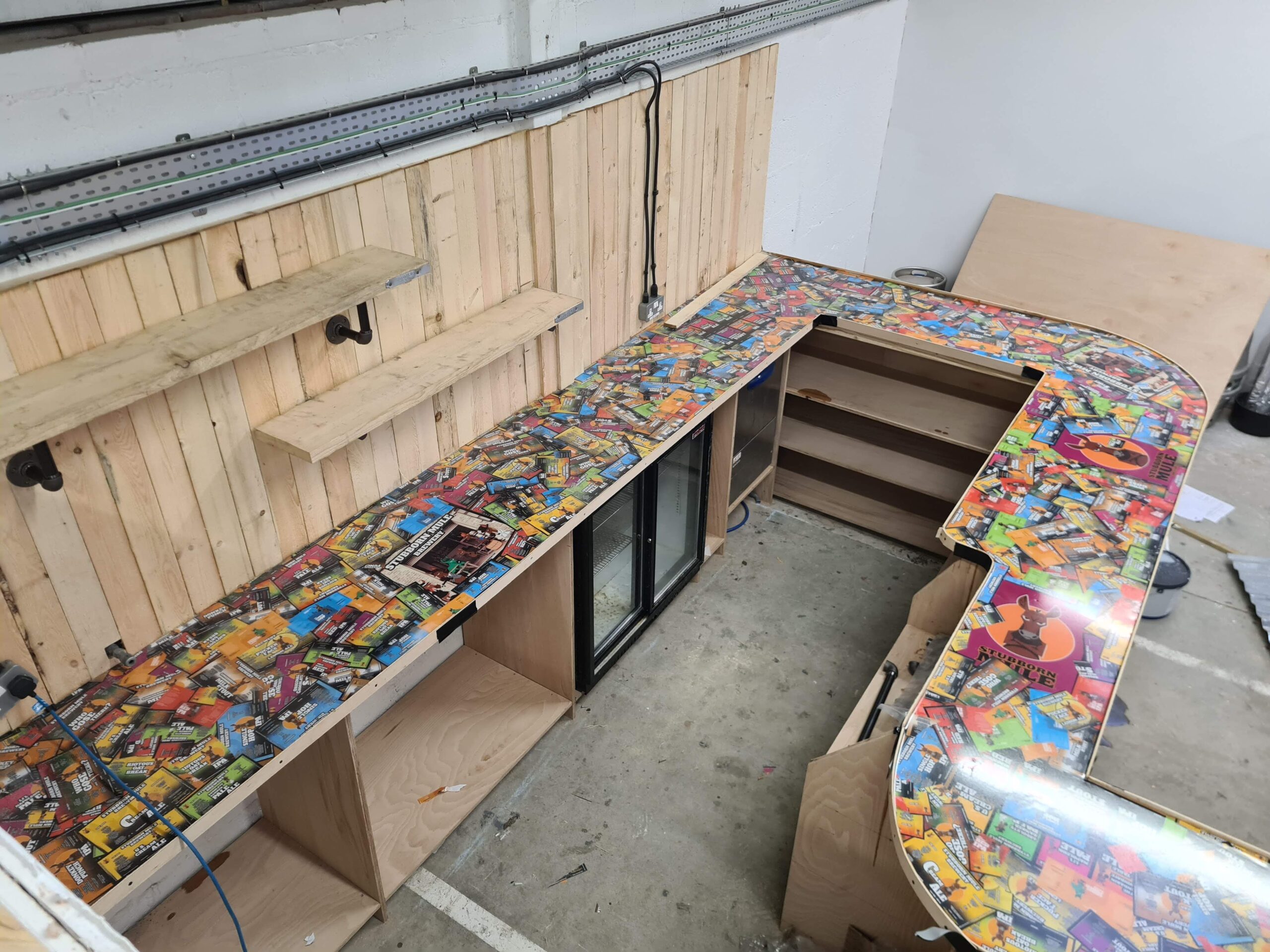
We got the keys on 1 September 2022 and set about creating the brewery. Cold room, warm room, bar area and brewing space all needed building from scratch. There was also the small matter of moving the brewing equipment itself. That was a job in its own right, and I’ve still got the crane photos to prove it! Cheers to our new neighbours down at Limberts for that.
We were really pushing for time. We managed one Brew Tap on Christmas Eve 2022 and another on the 28th. It was fantastic to see so many familiar faces from our previous premises, alongside plenty of new local faces.
Once again, the website stood us in good stead. I got as much Bag-in-Box beer and as many mini kegs prepared as possible for a big online push. That helped bring in some much-needed money, get the rent paid and buy us a little breathing space. Rather than rush into opening properly, we could take the time to get things ready.
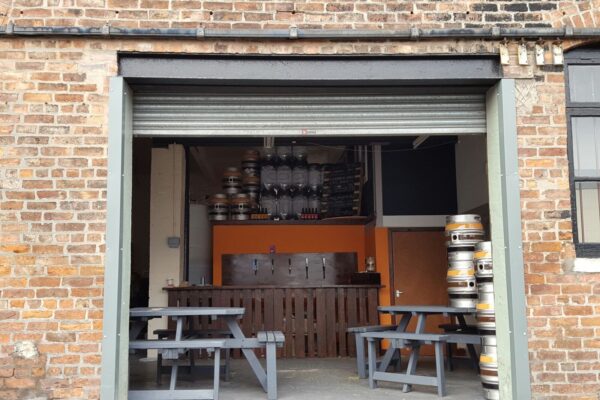
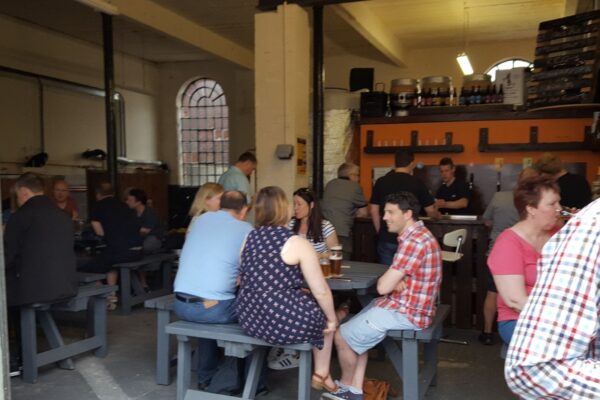
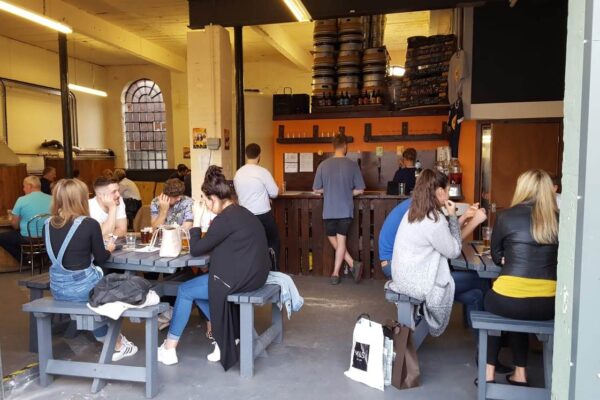
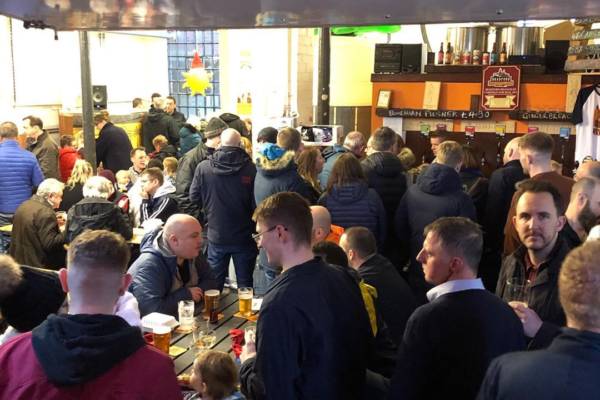
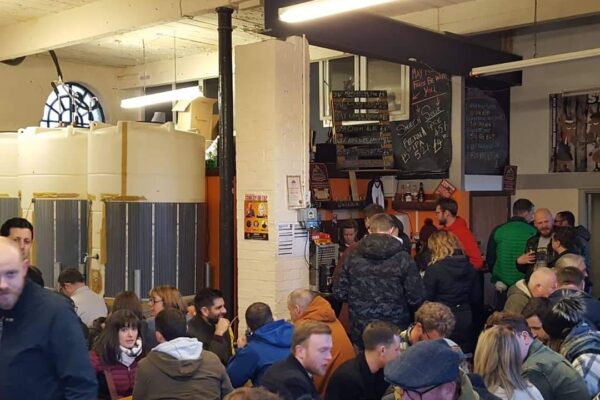
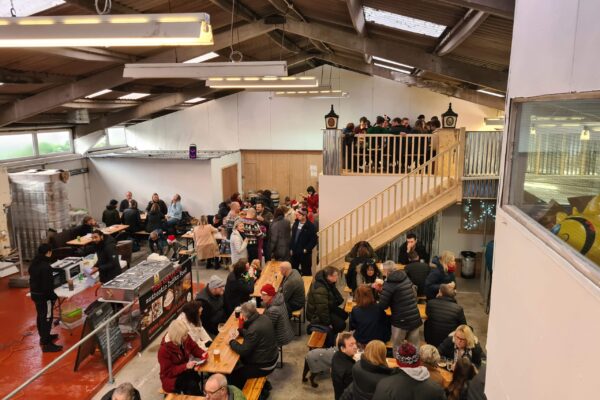
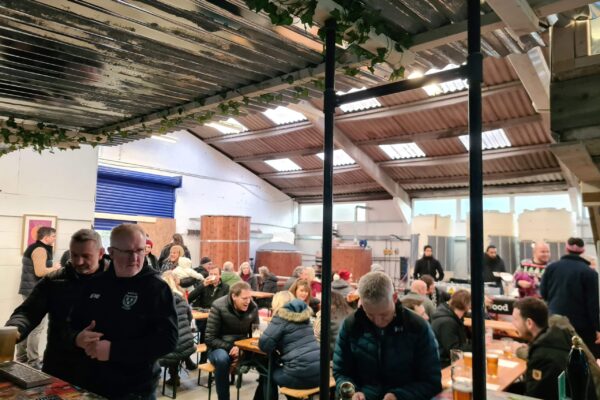
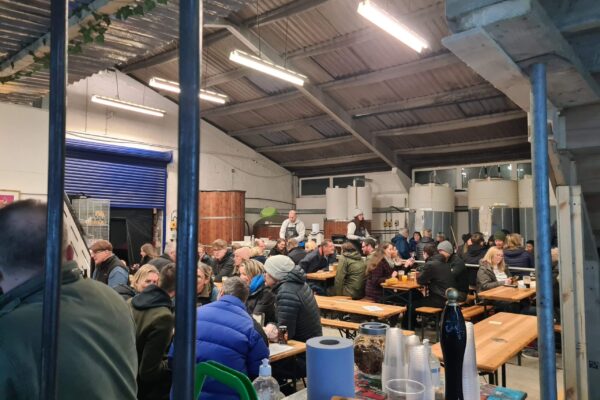
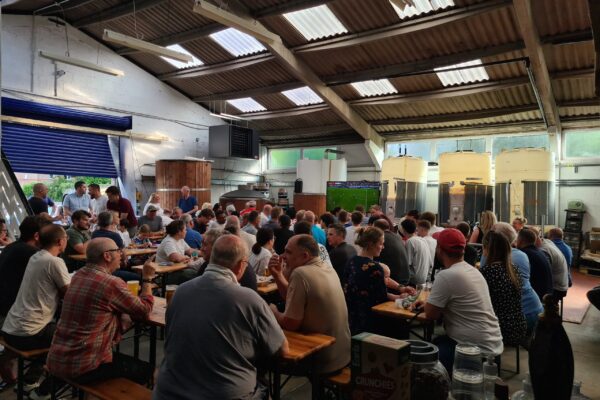
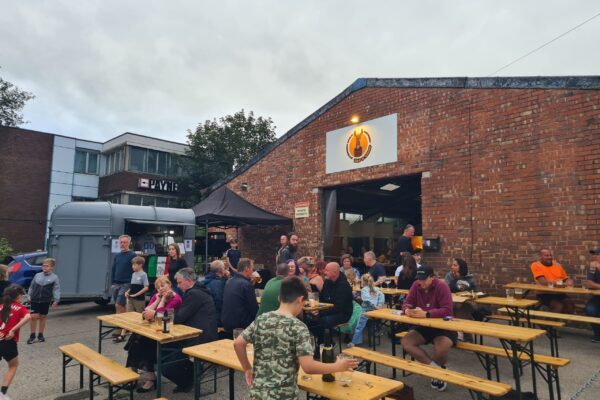
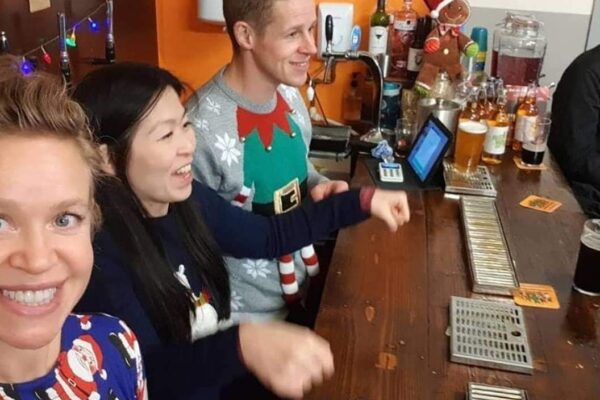
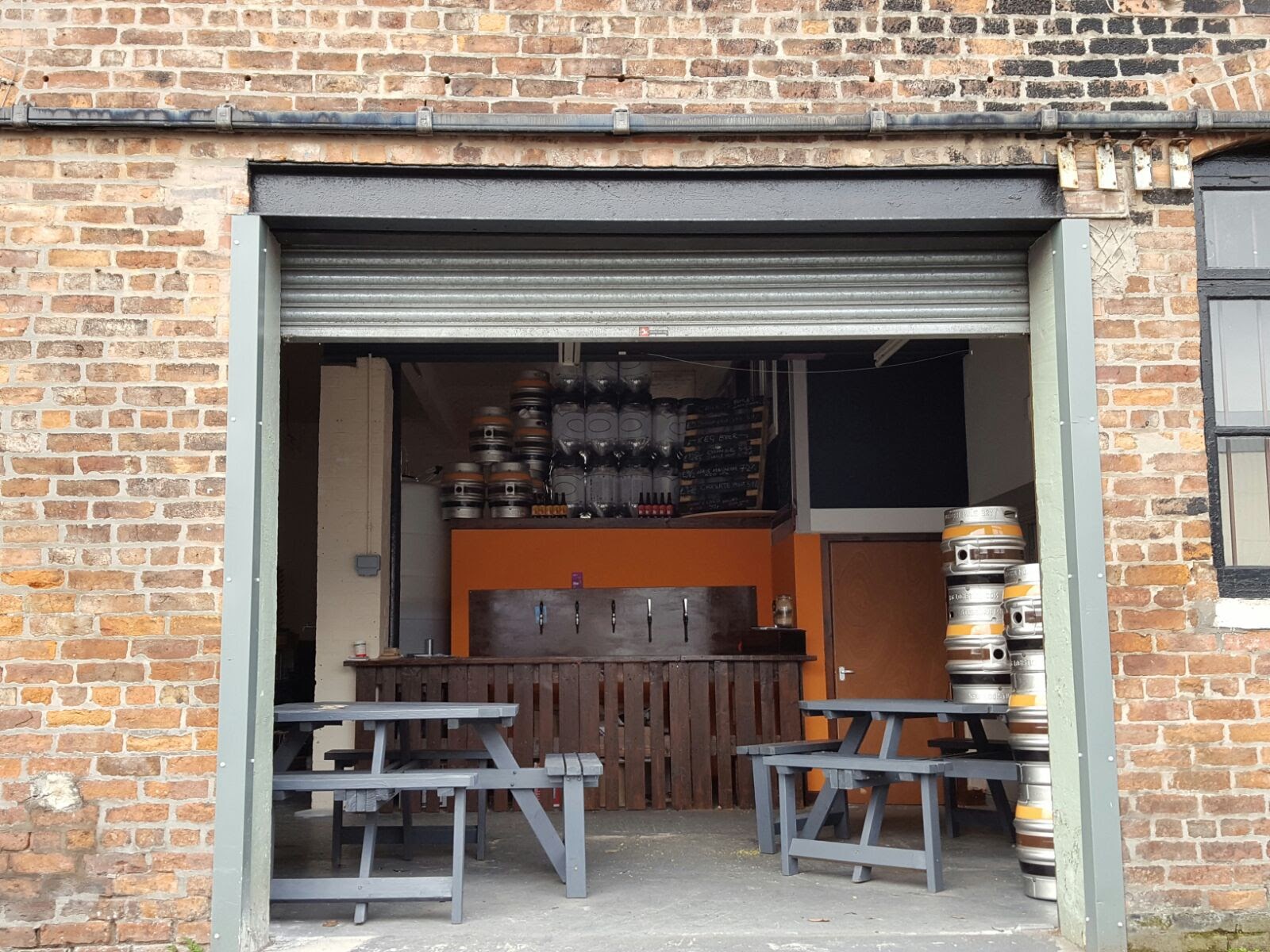
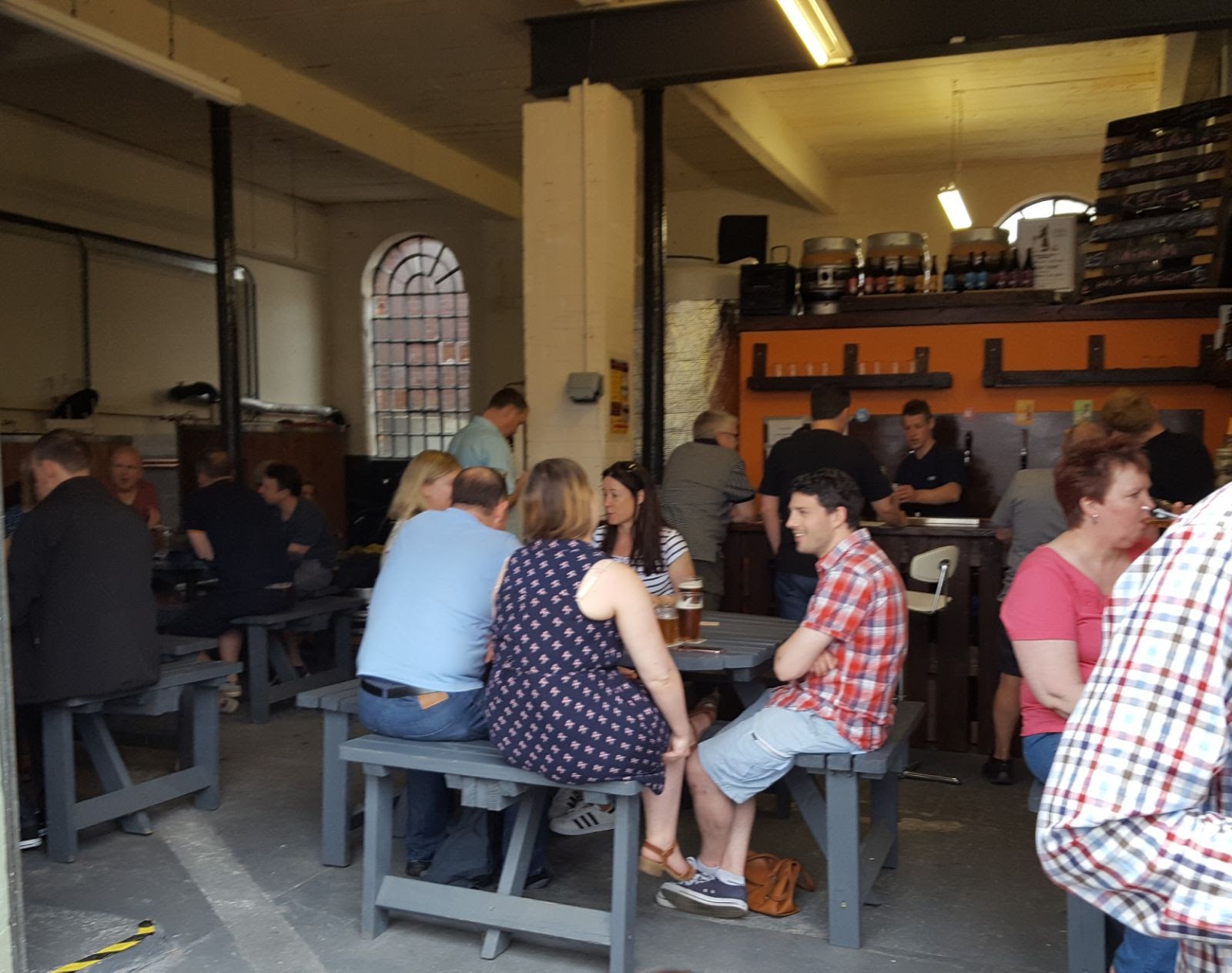
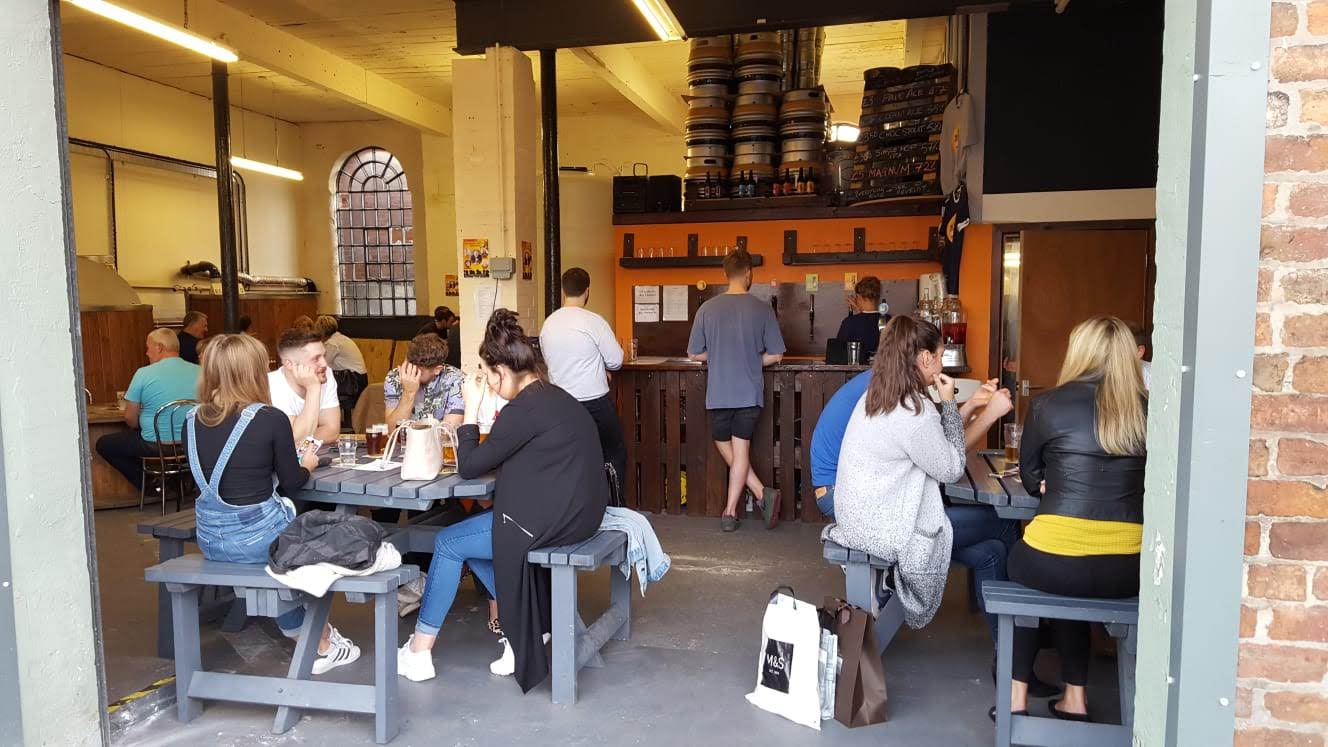
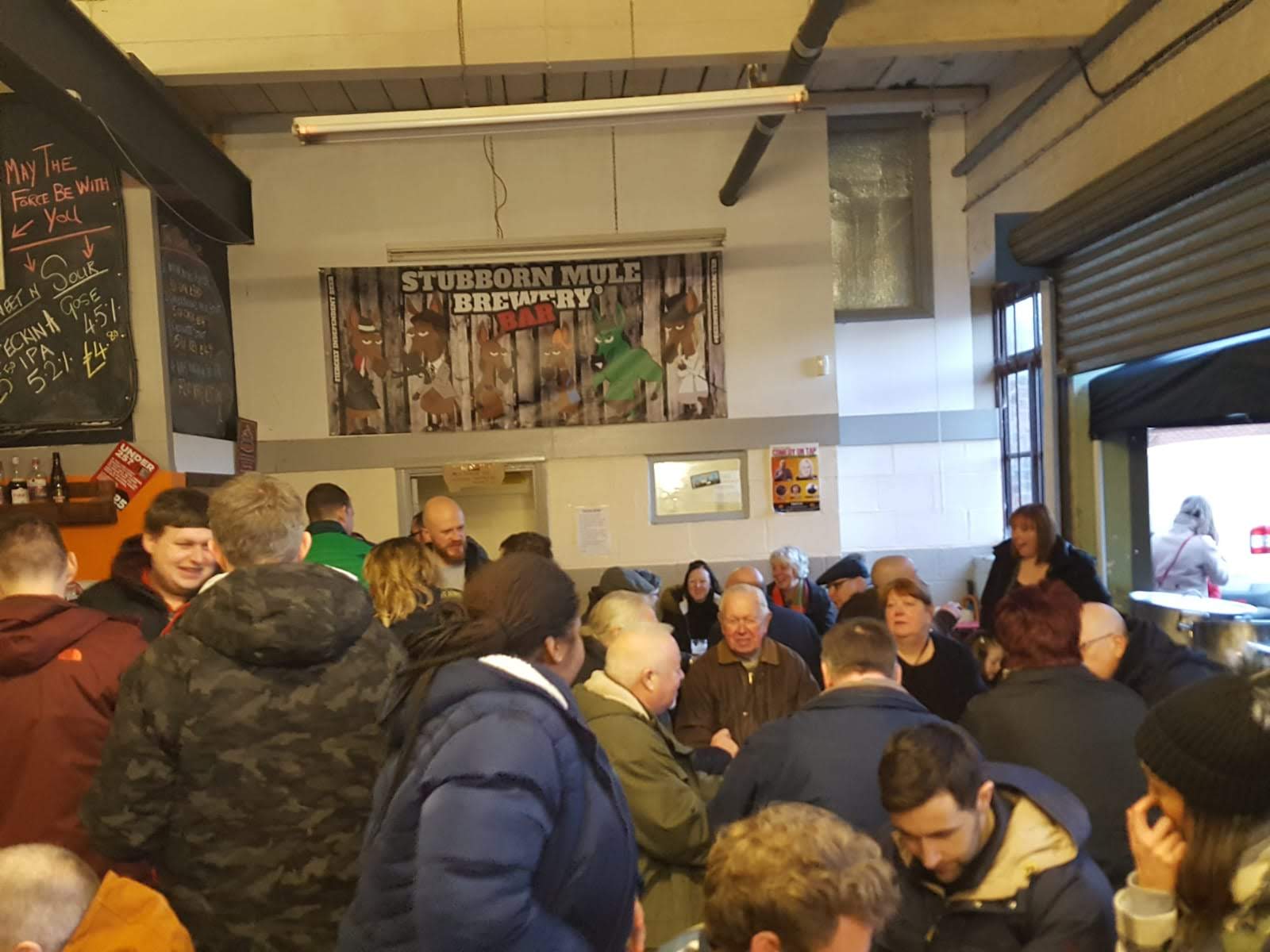
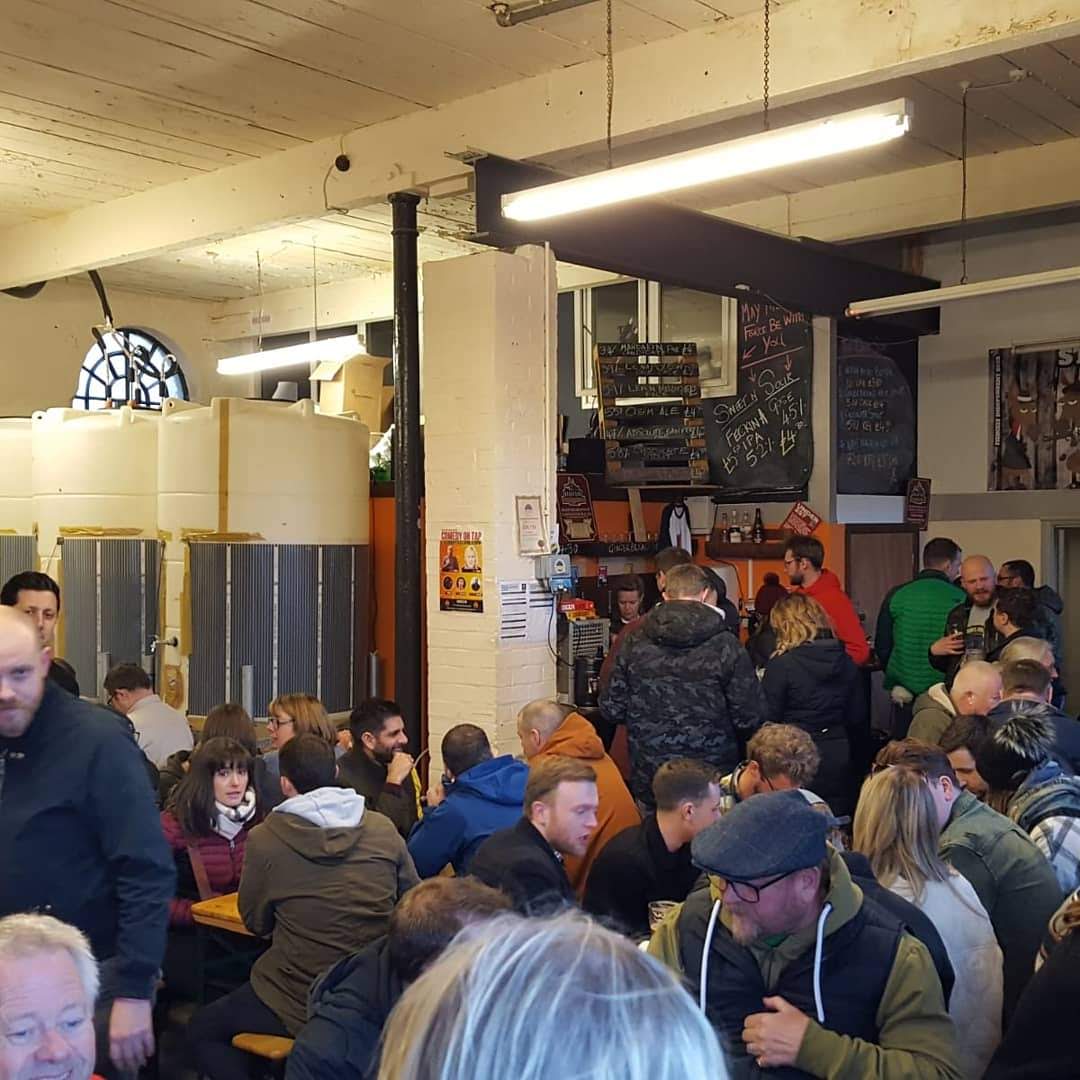
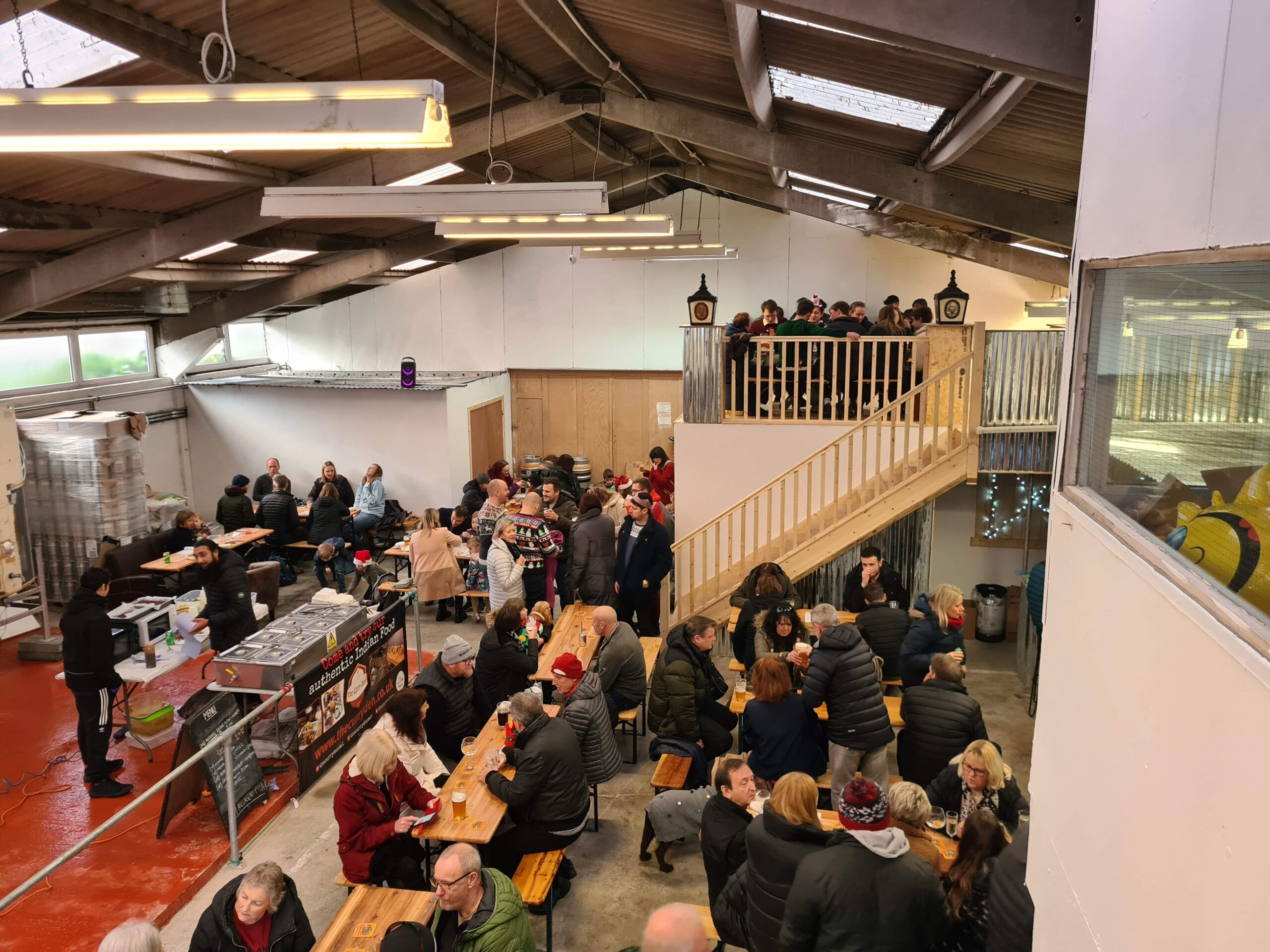
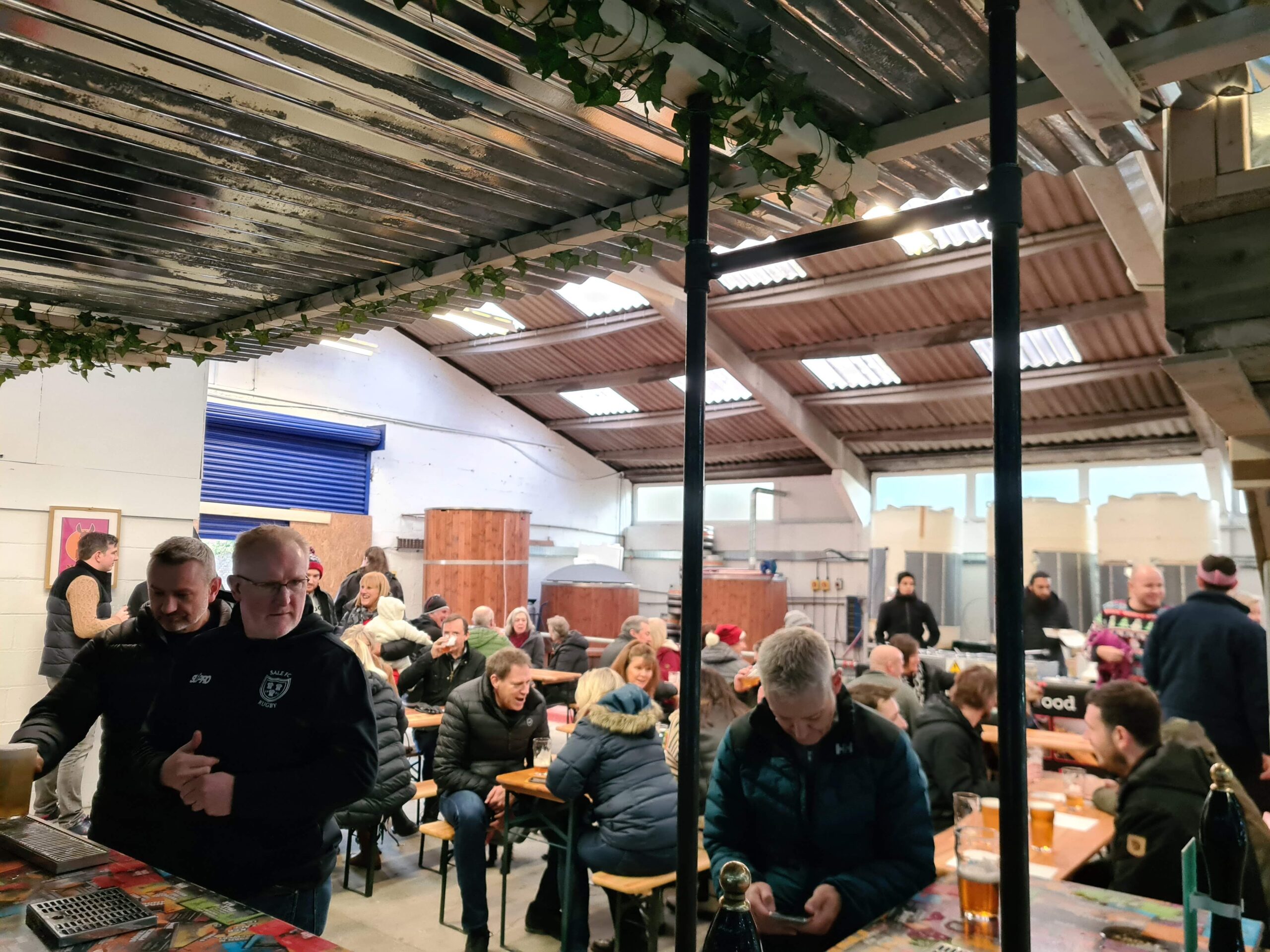
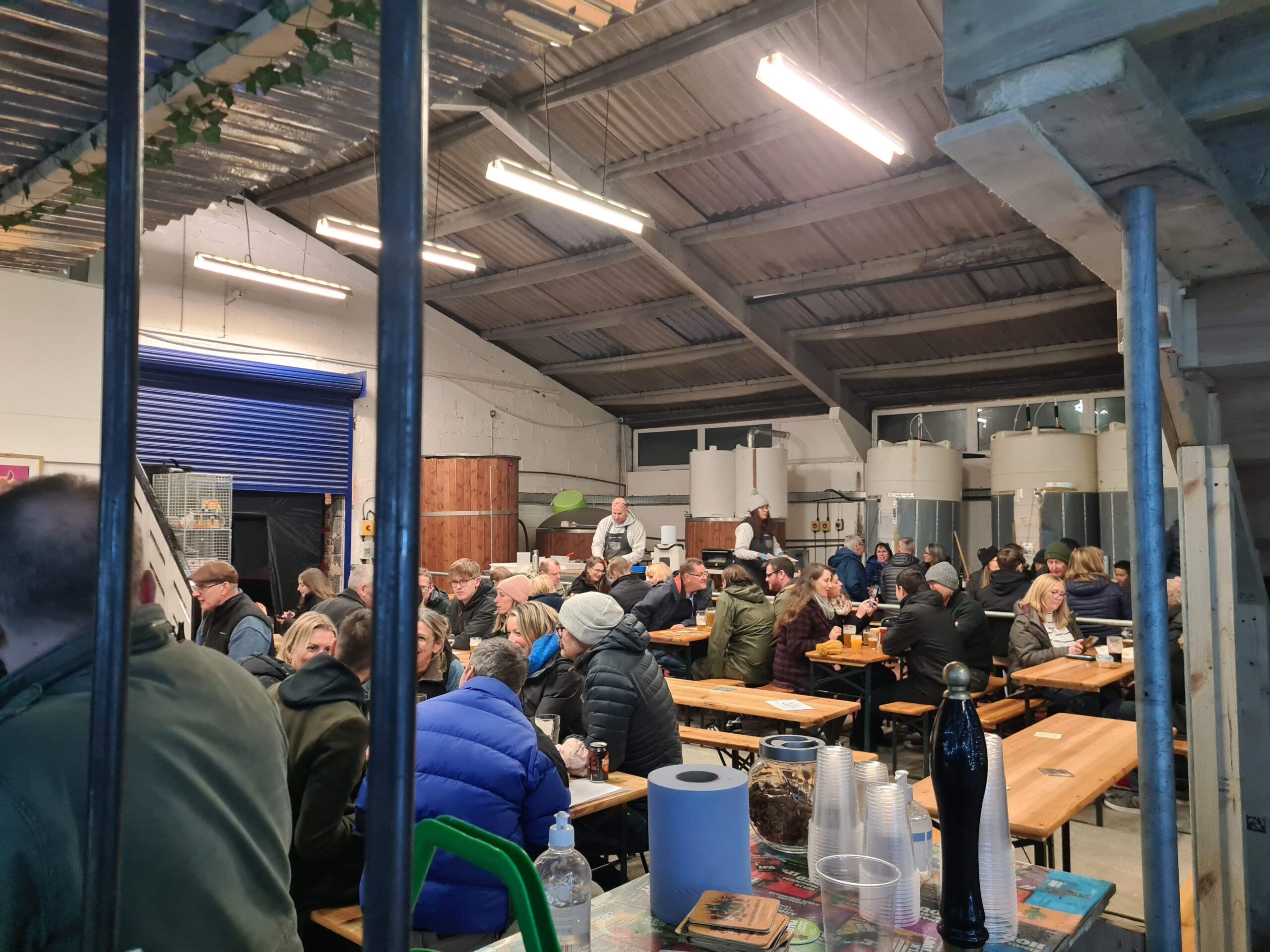
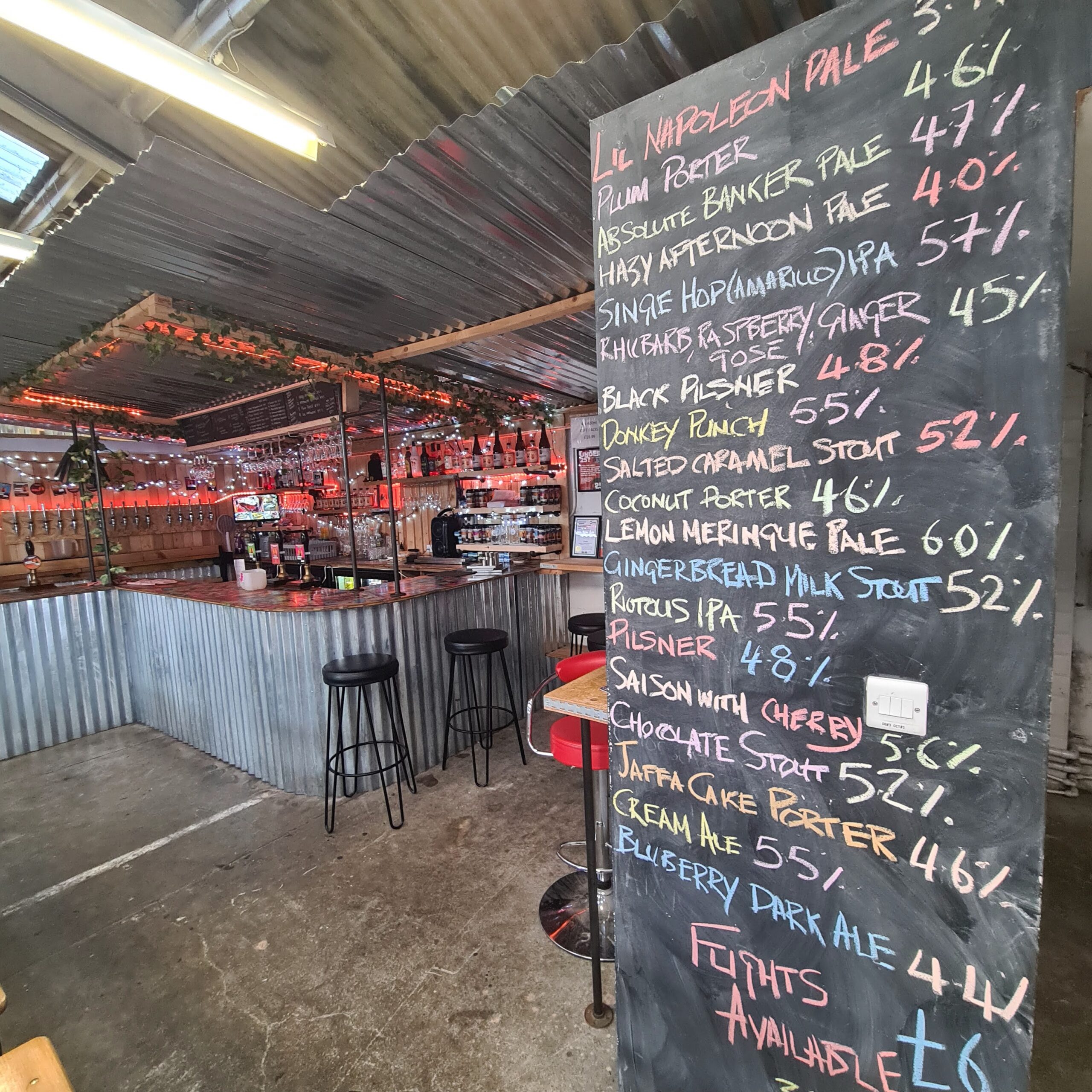
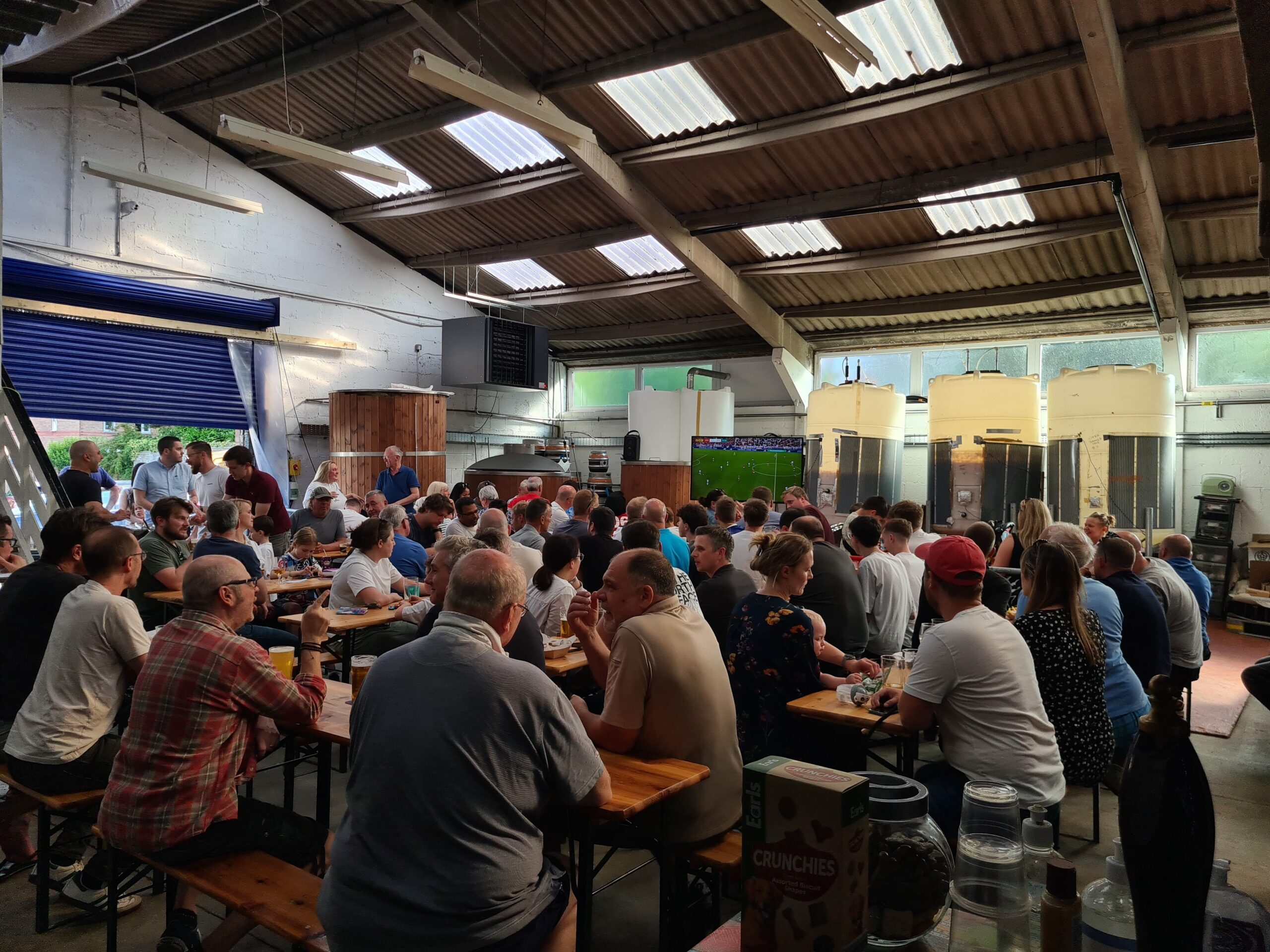
We started with fortnightly Brew Tap days from 18 January 2023. By spring we’d moved to every Friday and Saturday, and the crowds were already getting really encouraging.
“The crowds were already getting really encouraging.”
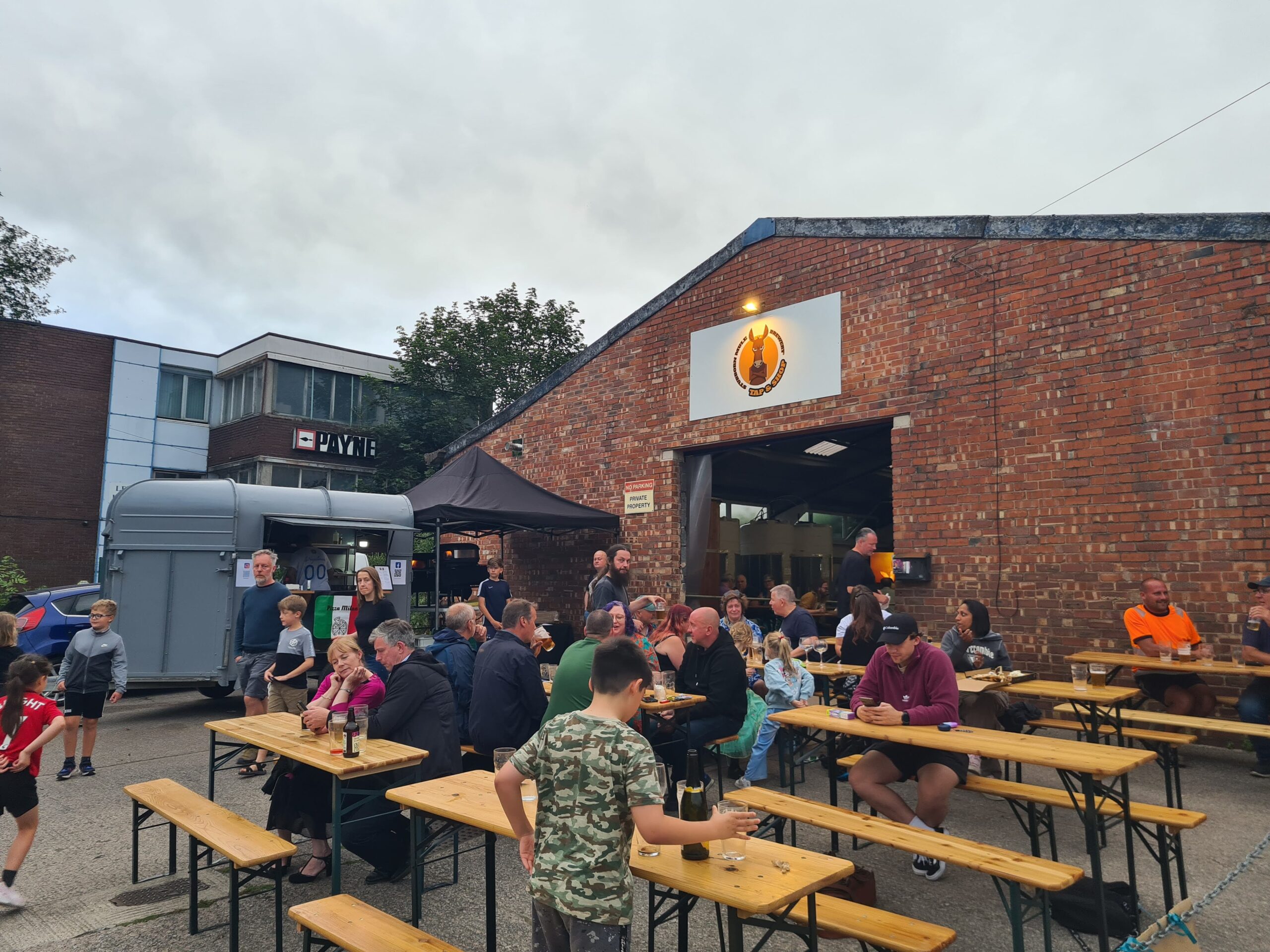
Another big part of getting things established was the quality of the street food traders I managed to get on board. Some of those relationships have now lasted five years or more, and a few go right back to our earlier days and are still with us nearly ten years on. It’s been great to build those relationships with other independent local businesses.
Growth at Skelton Road was fairly steady. We always had plenty of local support, but as the years have gone by, the best way I can describe it is that the troughs aren’t as low and the peaks get higher each year.
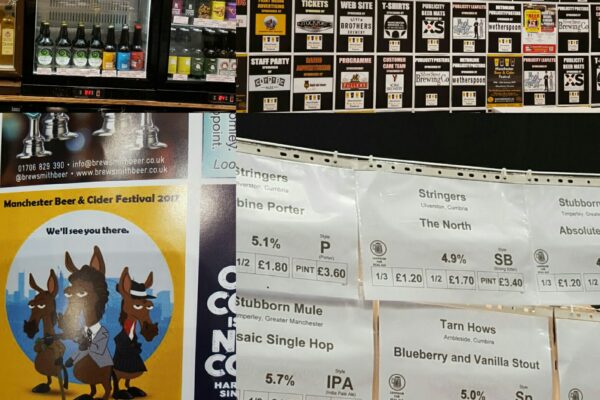
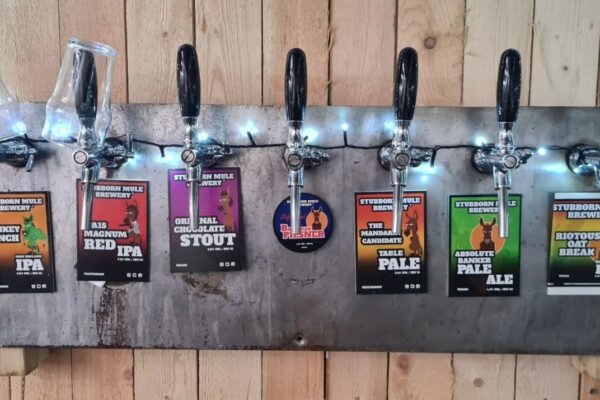
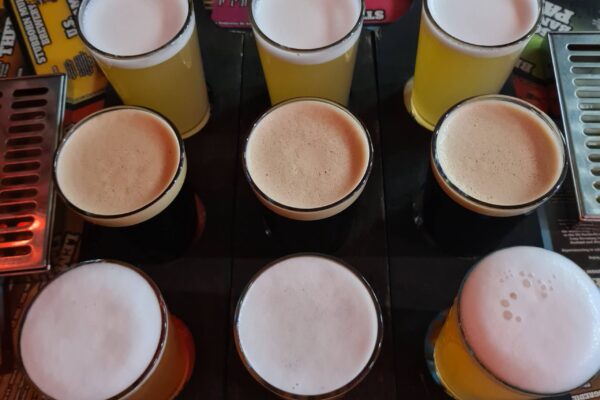
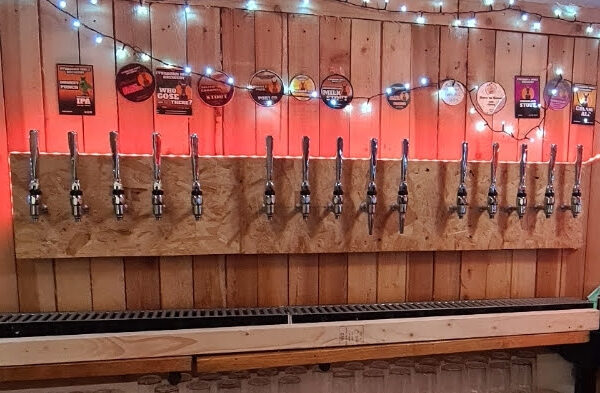
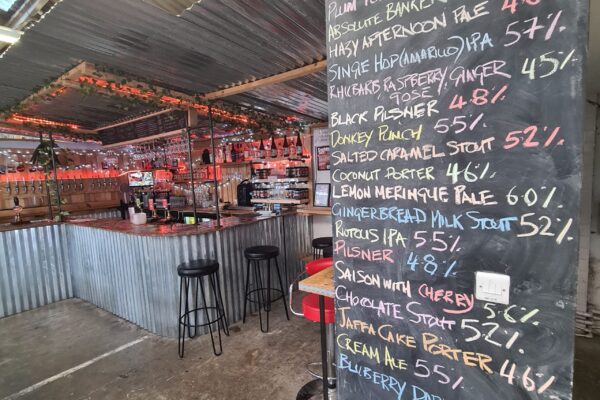
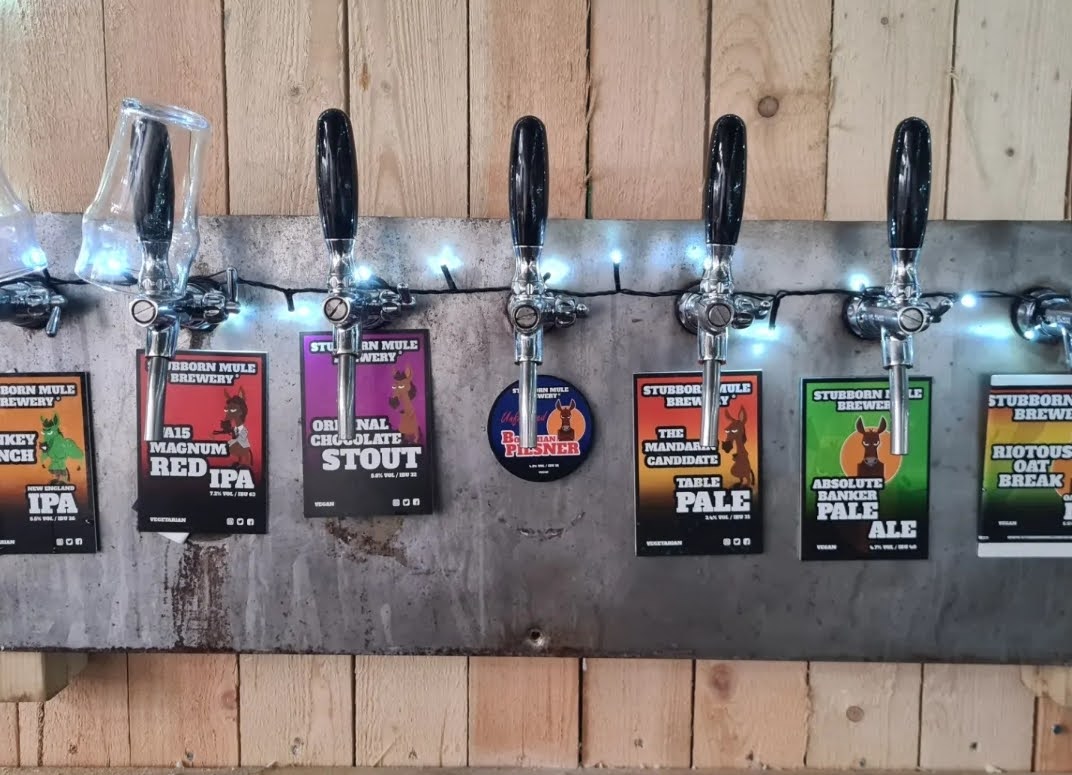
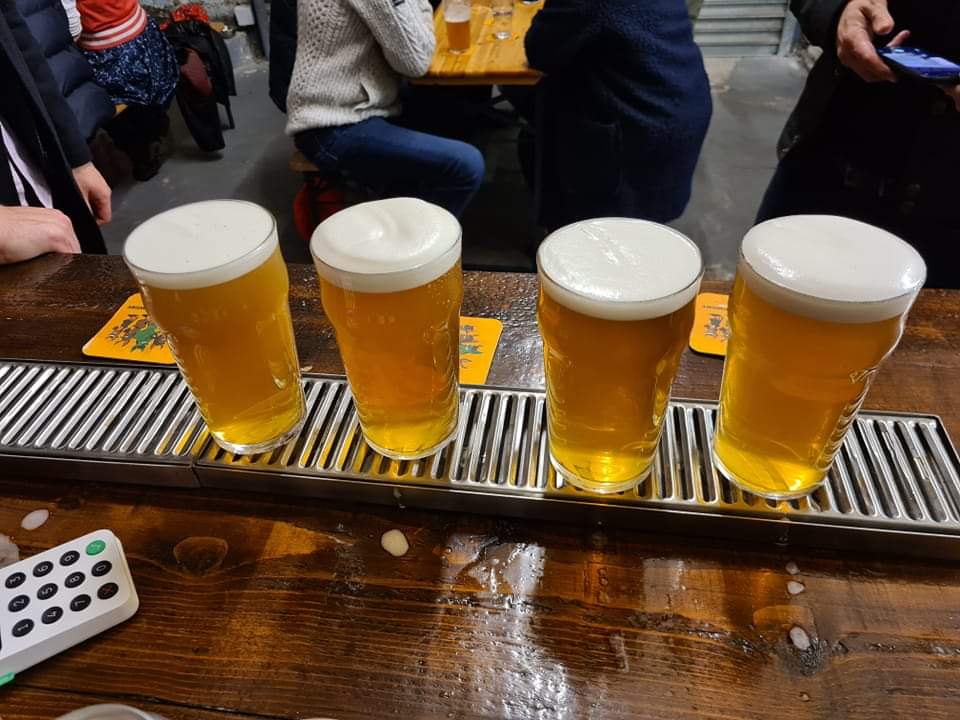
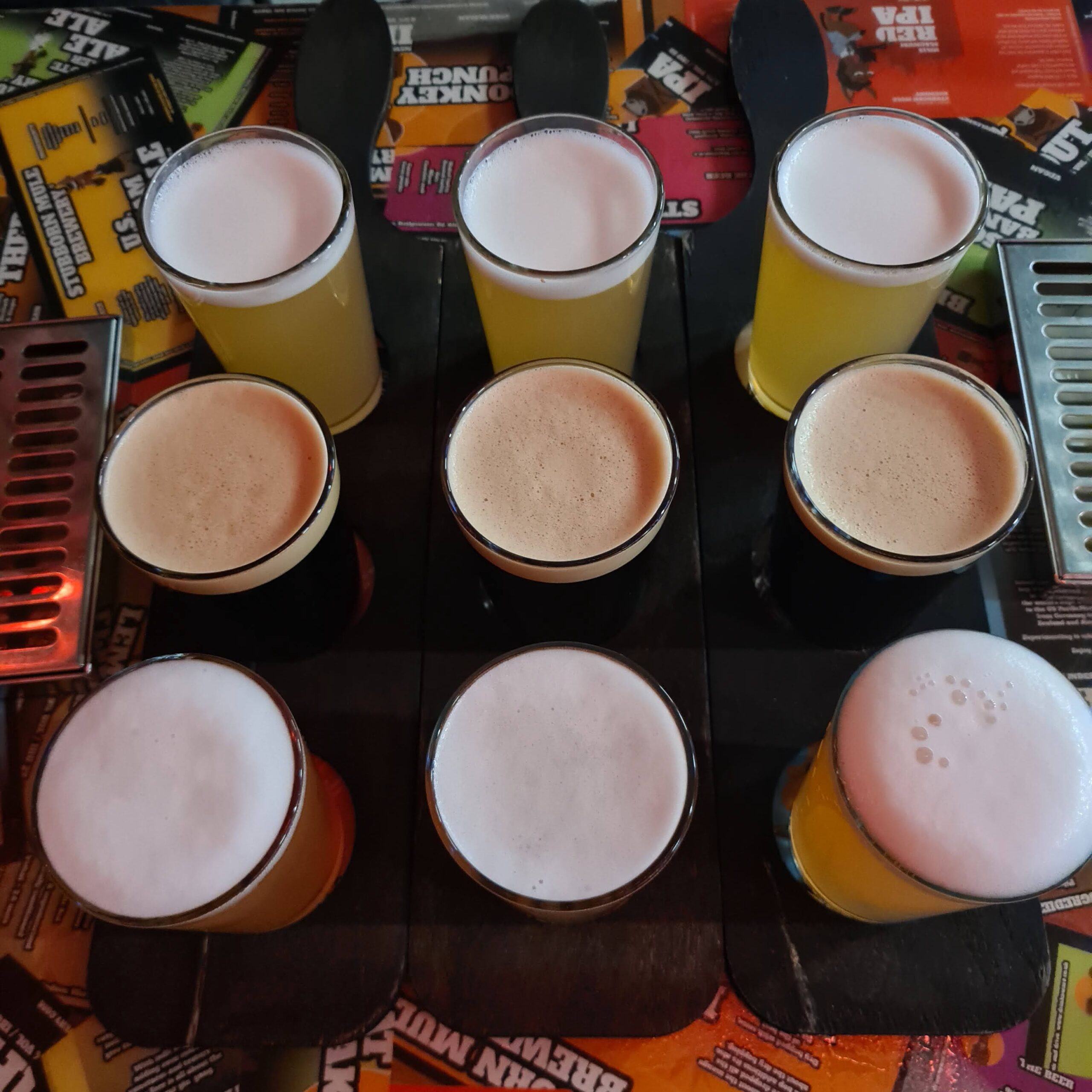
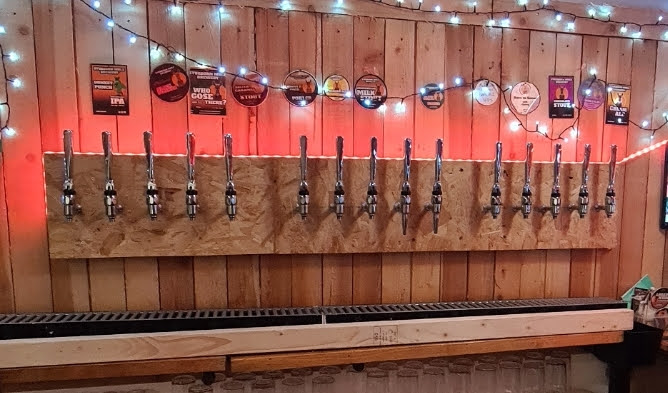
Spring and summer have become particularly busy, and our events have always been well supported. People really appreciate the choice of beers we have on the taps, and are often amazed to discover that it’s all brewed right there on site.
The takeaway side of the business has developed nicely too, while the brewery’s wholesale trade has gradually found its feet again. We’ve supplied festivals and a selection of local pubs, but I’ve always been conscious of what makes Stubborn Mule different. Our beers are our USP, and having them available on lots of other bars isn’t necessarily the best fit for the way we’ve built the business.
With me still doing the bulk of the brewing and production, there’s only so much capacity to go around. I’d rather concentrate on making good beer, giving people a great place to drink it, and building the relationships that keep them coming back, than chase wholesale volume for its own sake.
NOW FOR SOMETHING STRONGER
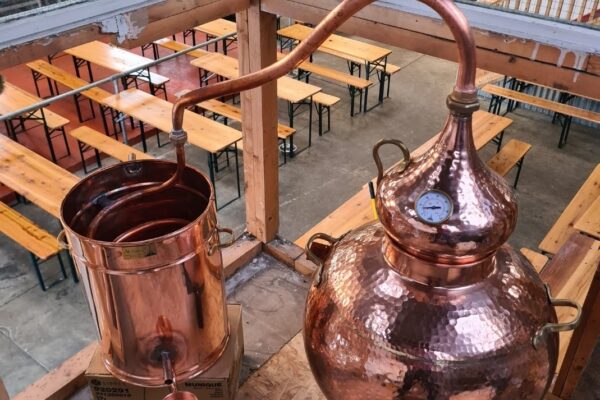
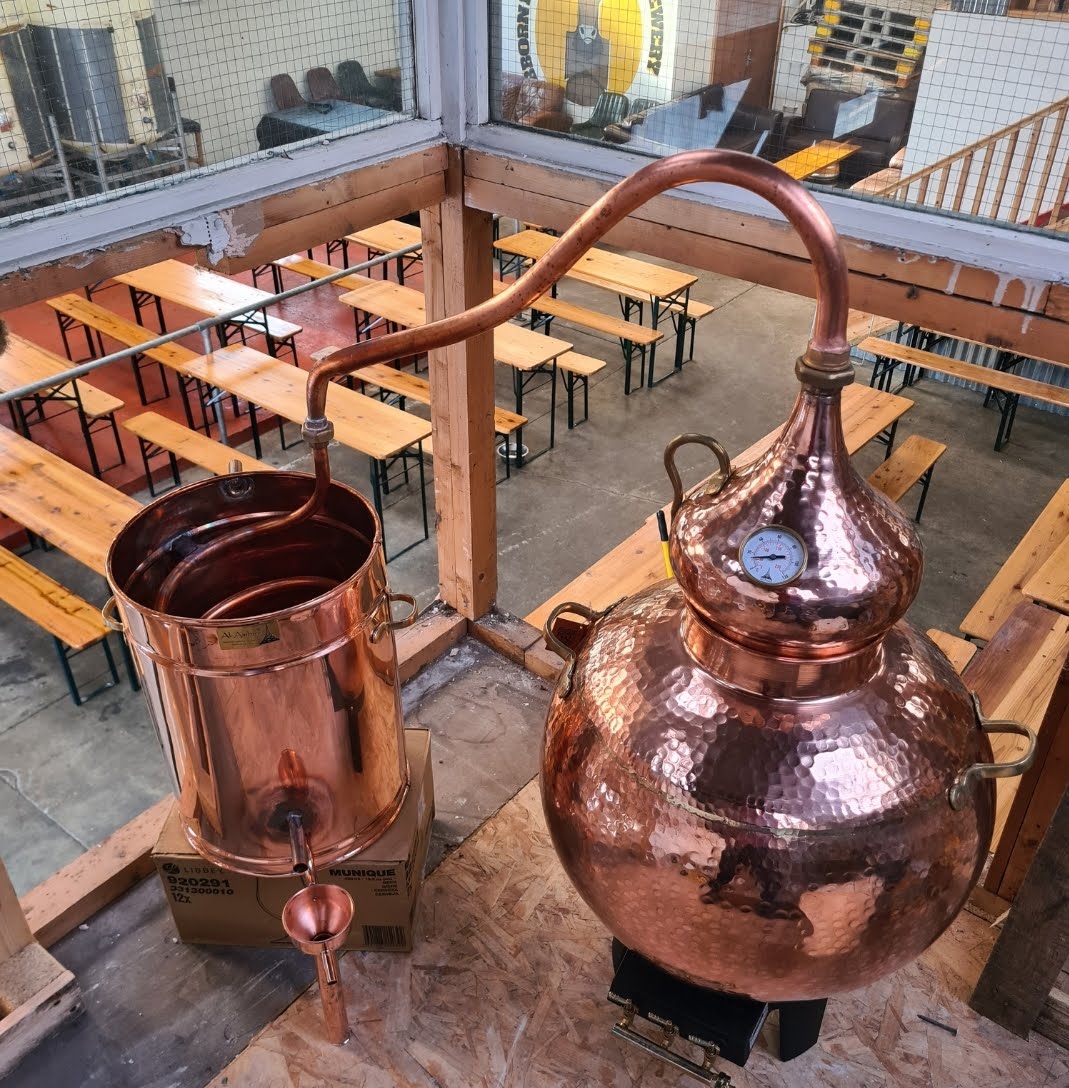
By 2025, I’d started noticing that we were selling more drinks from the top shelf, particularly gin. Gin was always the original plan, although the dream of producing a Stubborn Mule whiskey had actually been mentioned in our very first social posts. That’s still firmly on the wish list!
Before we could get going, there was a fair bit of groundwork to do. Getting HMRC approval was a more involved process than I’d initially expected. We needed to operate under duty suspension, and because spirits are a different beast altogether, HMRC also required a site visit before giving us the go-ahead. It took a while, but we got there.
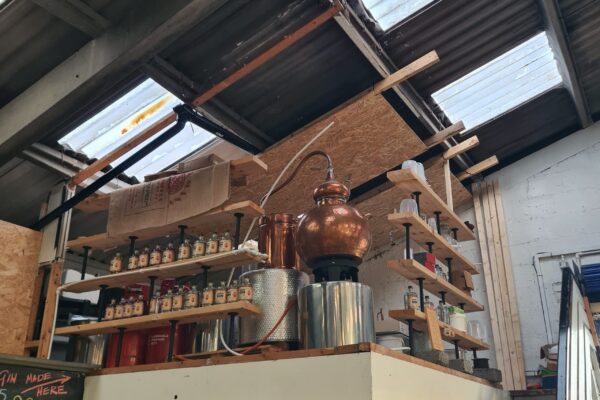
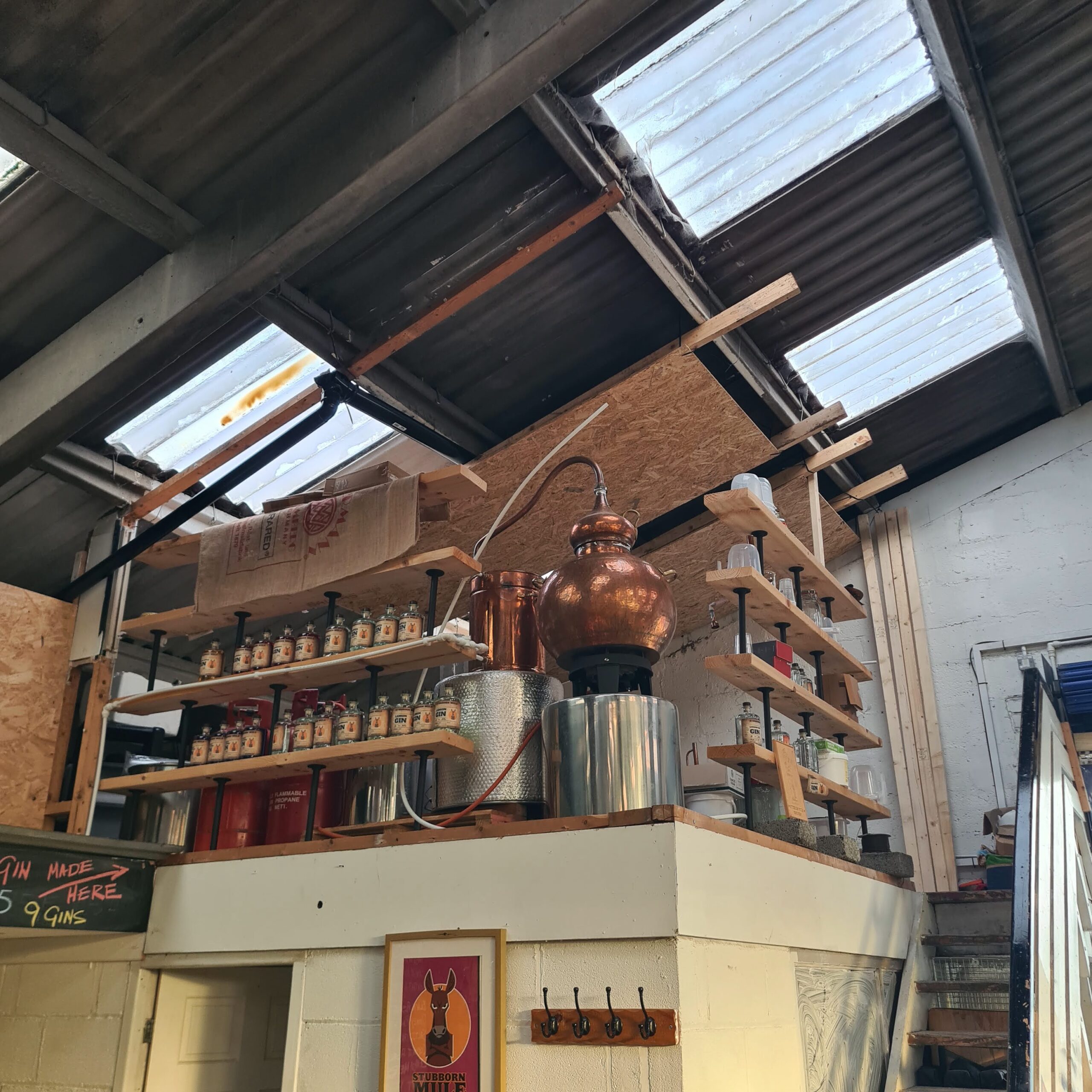
Once approved, it took around three months of testing and experimenting to get a range we were happy to put on the bar. Some batches are bigger than others, but by the middle of 2025 we had a cracking little range of ten gins.
“It’s about the quality of the ingredients, the flavour, experimenting and having the patience to get things right.”
I think my experience with brewing beer has helped enormously. I’m probably less self-conscious about experimenting with gin because I’m used to trying things, learning from batches and not being afraid to do something a bit different.
We use natural ingredients to build flavour, and if a gin ends up coloured or a little cloudy because it’s packed with botanicals, that’s not something that worries me. We’ve learned how to present the spirits properly, but ultimately it’s about the quality of the ingredients, the flavour, experimenting and having the patience to get things right.
The spirits side of the business is still relatively small, but people are increasingly trusting the product. We’re now regularly selling bottles to take away, and the gin itself makes a significant contribution towards the rent these days, whether people are enjoying it over the bar or taking it home.
Having an established brewery and taproom means there’s no huge pressure to make the spirits side work overnight. We can take our time, experiment and build the range properly. What’s particularly satisfying, though, is seeing our top-shelf sales increasingly made up of spirits distilled right here on site — by me! There’s something pretty special about that.
In many ways, I’ve built two very different breweries under the same name, and both have brought an enormous amount of pleasure, stress, worry and challenge along the way!
“My kids have only ever really known me as a brewery owner.”
Going from literally brewing beer in a garden shed to running a proper brewery was one of those moments that makes you think, *you really can do it*. There have been countless challenges since then, particularly around processes and working out how to make things happen, but overcoming those has always been hugely satisfying.
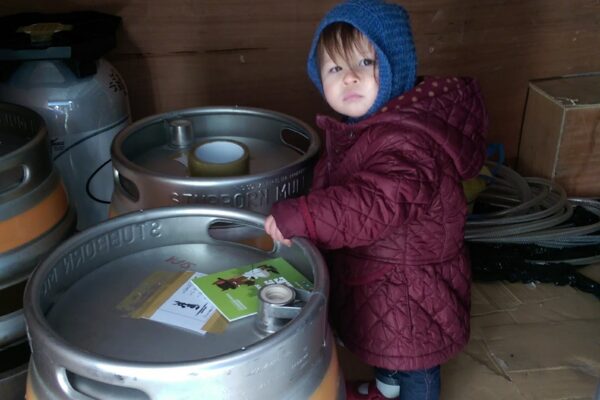
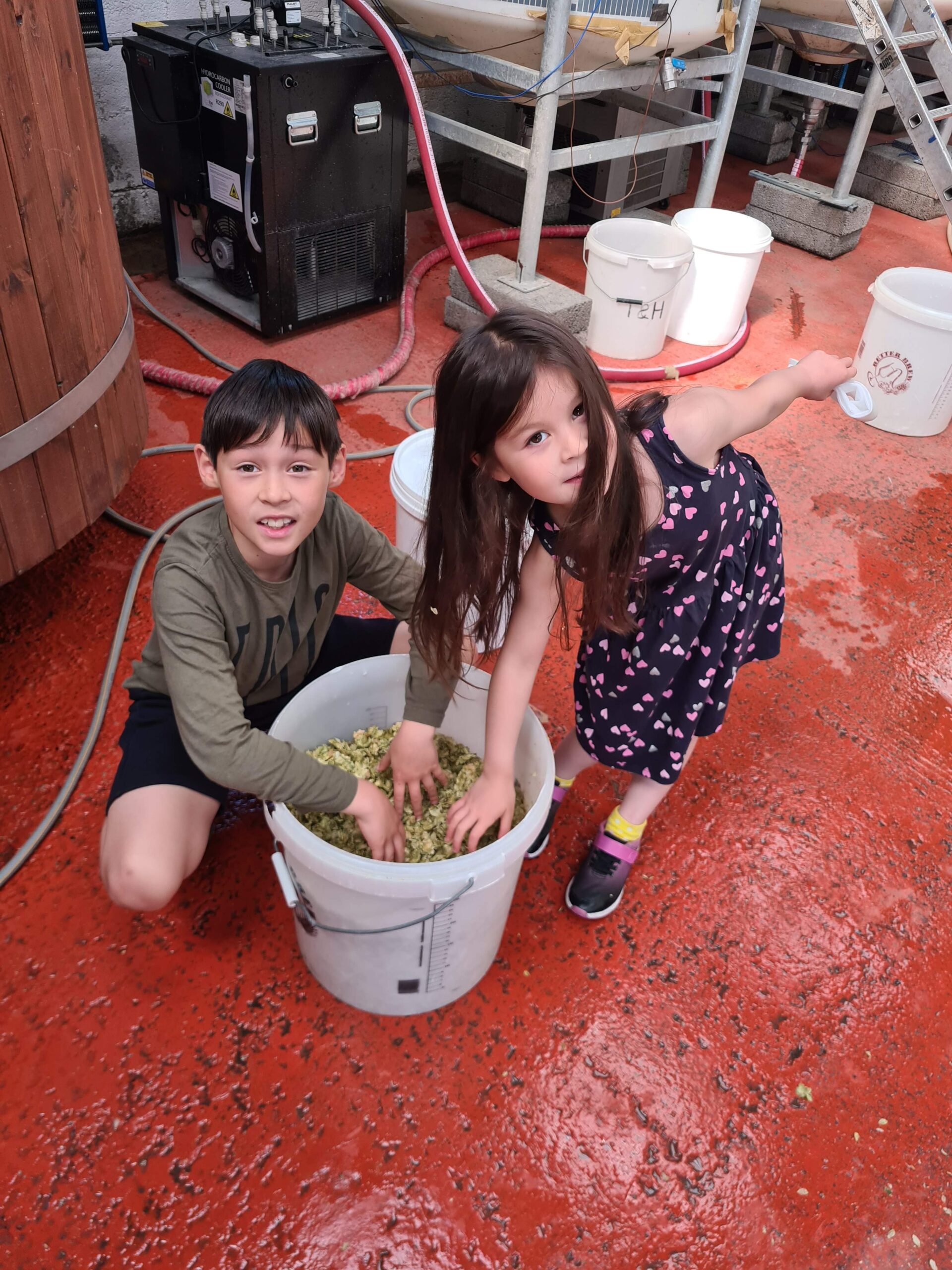
My kids have only ever really known me as a brewery owner. It’s become such a big part of family life, for better or worse!
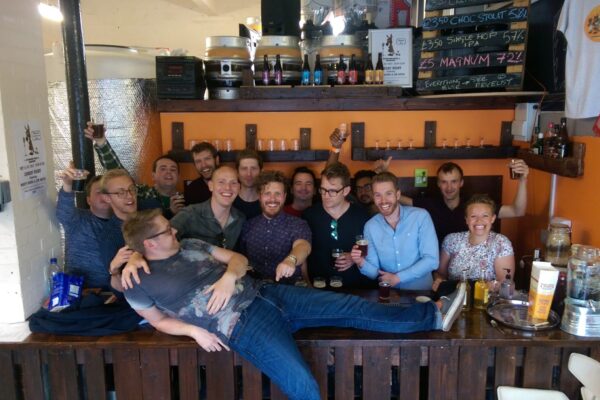
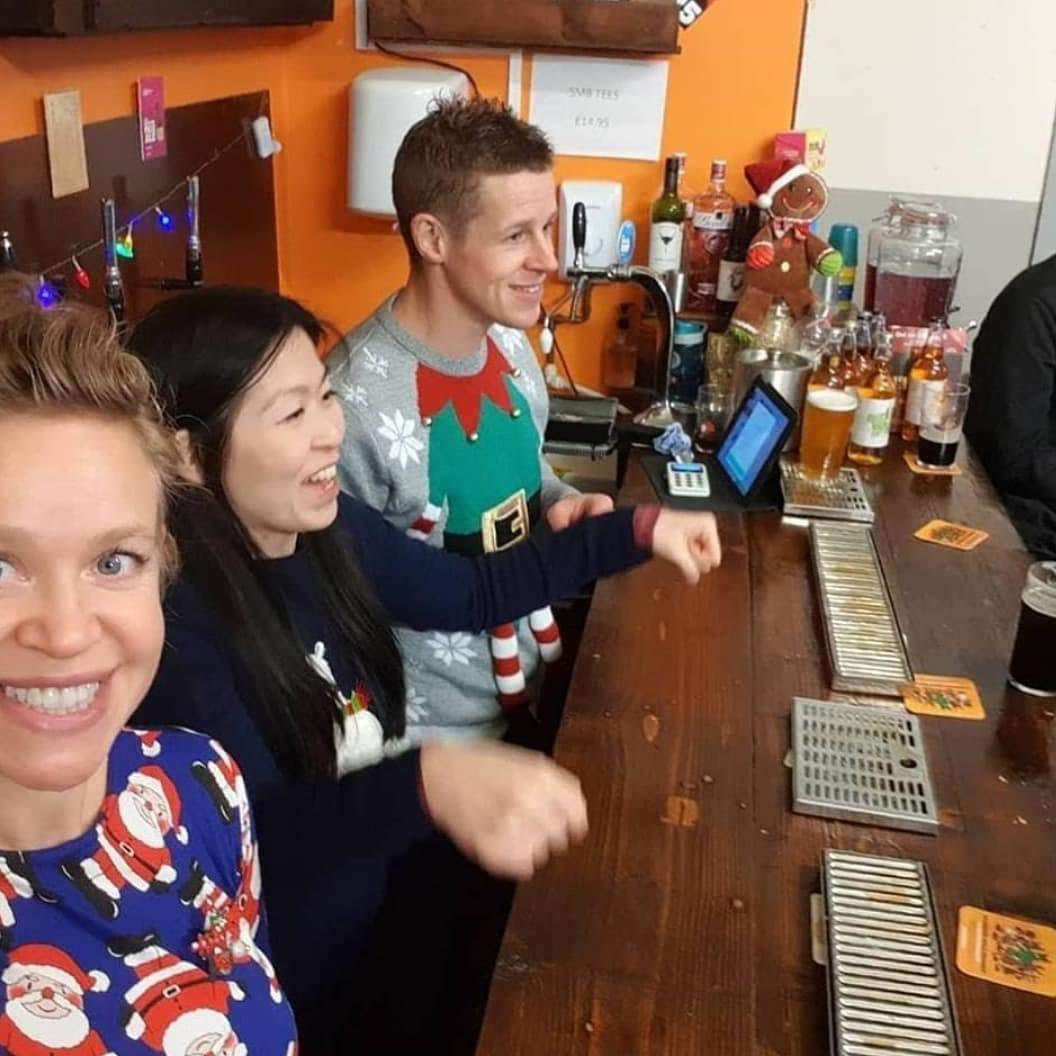
But if there’s one thing that stands out above everything else, it’s the community that’s grown around Stubborn Mule. That’s probably the thing I’m proudest of. We do brewery talks too, by the way, so keep your eye out! I often say during those talks that it’s difficult to appreciate what you’ve achieved when you’re right in the middle of driving it forward.
“One thing that stands out above everything else, it’s the community that’s grown around Stubborn Mule.”
You’re always thinking about the next job, the next challenge or the next thing that needs fixing. But every now and then someone tells you how much they enjoy what we’ve built, and it makes you stop and think. If you can find the time!
“Looking forward to what’s next.”
The fact that Stubborn Mule has finally become a proper living is another huge source of achievement. I know first-hand how much pressure there has been at various points, not just on me but on the family, and particularly on Swan, who’s supported me all the way through. It’s taken a lot of hard work from all of us to get here, and it’s genuinely lovely to see that starting to pay off. It’s particularly rewarding to look around at the brewery in its current guise and think back to where it all started.
And we’re still here, still brewing, still experimenting and still looking forward to what’s next.